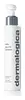
This glycolic acid gel cleanser is formulated around Glycolic Acid to exfoliate and smooth skin.

What's inside
What's inside
 Key Ingredients
Benefits
Concerns
Ingredients Side-by-side
Water
Skin ConditioningCocamidopropyl Hydroxysultaine
Cleansing
Glycolic Acid
Buffering











Glycerin
Humectant

PEG-6 Cocamide
Emulsifying
Polyacrylate Crosspolymer-6
Emulsion StabilisingDisodium Cocoyl Glutamate
Cleansing
Hydroxyacetophenone
Antioxidant
Succinoglycan
Skin ConditioningSimmondsia Chinensis Seed Oil
Emollient

Calendula Officinalis Flower Extract
Masking


Citrus Aurantium Dulcis Peel Oil
Masking
Citrus Paradisi Peel Oil
Masking


Leuconostoc/Radish Root Ferment Filtrate
Antimicrobial
Urea
Buffering
Allantoin
Skin Conditioning
Polyquaternium-51
Skin Conditioning
Trehalose
Humectant
Caprylyl Glycol
Emollient
Sodium Hyaluronate
Humectant
Tocopherol
Antioxidant
Hydrogenated Palm Glycerides Citrate
Emollient
Glyceryl Oleate
Emollient
Coconut Acid
Cleansing
1,2-Hexanediol
Skin Conditioning
T-Butyl Alcohol
Perfuming
Coco-Glucoside
Cleansing
Sodium PCA
Humectant
Sodium Chloride
MaskingSodium Hydroxide
BufferingCitric Acid
Buffering
Potassium Sorbate
Preservative
Sodium Benzoate
Masking
Limonene
Perfuming
Water, Cocamidopropyl Hydroxysultaine, Glycolic Acid, Glycerin, PEG-6 Cocamide, Polyacrylate Crosspolymer-6, Disodium Cocoyl Glutamate, Hydroxyacetophenone, Succinoglycan, Simmondsia Chinensis Seed Oil, Calendula Officinalis Flower Extract, Citrus Aurantium Dulcis Peel Oil, Citrus Paradisi Peel Oil, Leuconostoc/Radish Root Ferment Filtrate, Urea, Allantoin, Polyquaternium-51, Trehalose, Caprylyl Glycol, Sodium Hyaluronate, Tocopherol, Hydrogenated Palm Glycerides Citrate, Glyceryl Oleate, Coconut Acid, 1,2-Hexanediol, T-Butyl Alcohol, Coco-Glucoside, Sodium PCA, Sodium Chloride, Sodium Hydroxide, Citric Acid, Potassium Sorbate, Sodium Benzoate, Limonene
Isobutane
Propane
Sd Alcohol 40-B
Astringent
Aluminum Starch Octenylsuccinate
Absorbent
Parfum
Masking
Water
Skin ConditioningCyclopentasiloxane
Emollient
Isopropyl Myristate
Emollient

Crambe Abyssinica Seed Oil
Skin Conditioning
Niacinamide
Smoothing
Stearalkonium Hectorite
Gel FormingCaffeine
Skin Conditioning
Citrullus Lanatus Seed Oil
Emollient
Propylene Carbonate
SolventGlycerin
Humectant
Bambusa Arundinacea Juice
Abrasive
Oryza Sativa Hull Powder
Abrasive
Ethylhexyl Salicylate
UV Absorber

Caprylic/Capric Triglyceride
Masking
Chamomilla Recutita Flower Extract
Masking
Commiphora Myrrha Resin Extract
Skin ConditioningLavandula Angustifolia Flower Extract
Cleansing
Biotin
AntiseborrhoeicPhenoxyethanol
Preservative
Litchi Chinensis Fruit Extract
Skin ConditioningLeontopodium Alpinum Flower/Leaf Extract
Skin ConditioningApium Graveolens Seed Extract
Antioxidant
Vegetable Amino Acids
Skin ConditioningLeuconostoc/Radish Root Ferment Filtrate
Antimicrobial
Citric Acid
Buffering
Potassium Sorbate
Preservative
Sodium Benzoate
Masking
Hexyl Cinnamal
Perfuming
Limonene
Perfuming
Linalool
Perfuming
Citral
Perfuming
Isobutane, Propane, Sd Alcohol 40-B, Aluminum Starch Octenylsuccinate, Parfum, Water, Cyclopentasiloxane, Isopropyl Myristate, Crambe Abyssinica Seed Oil, Niacinamide, Stearalkonium Hectorite, Caffeine, Citrullus Lanatus Seed Oil, Propylene Carbonate, Glycerin, Bambusa Arundinacea Juice, Oryza Sativa Hull Powder, Ethylhexyl Salicylate, Caprylic/Capric Triglyceride, Chamomilla Recutita Flower Extract, Commiphora Myrrha Resin Extract, Lavandula Angustifolia Flower Extract, Biotin, Phenoxyethanol, Litchi Chinensis Fruit Extract, Leontopodium Alpinum Flower/Leaf Extract, Apium Graveolens Seed Extract, Vegetable Amino Acids, Leuconostoc/Radish Root Ferment Filtrate, Citric Acid, Potassium Sorbate, Sodium Benzoate, Hexyl Cinnamal, Limonene, Linalool, Citral
Reviews
Ingredients Explained
These ingredients are found in both products.
Ingredients higher up in an ingredient list are typically present in a larger amount.
Citric Acid is an alpha hydroxy acid (AHA) naturally found in citrus fruits like oranges, lemons, and limes.
Like other AHAs, citric acid can exfoliate skin by breaking down the bonds that hold dead skin cells together. This helps reveal smoother and brighter skin underneath.
However, this exfoliating effect only happens at high concentrations (20%) which can be hard to find in cosmetic products.
Due to this, citric acid is usually included in small amounts as a pH adjuster. This helps keep products slightly more acidic and compatible with skin's natural pH.
In skincare formulas, citric acid can:
While it can provide some skin benefits, research shows lactic acid and glycolic acid are generally more effective and less irritating exfoliants.
Most citric acid used in skincare today is made by fermenting sugars (usually from molasses). This synthetic version is identical to the natural citrus form but easier to stabilize and use in formulations.
Rosacea skin has a lower threshold for acids generally, with 62.5% of rosacea subjects in one study reacting to lactic acid in a sting test. This is why we mark citric acid as a potential rosacea trigger.
However, this ingredient shows up as a pH adjuster or chelator at roughly 0.1-1% in many products. These low levels are unlikely to be an issue for rosacea skin and becomes a potential trigger at exfoliating concentrations (20%). Because everybody's skin is unique, we recommend a patch test if you are unsure.
Learn more about Citric AcidGlycerin (or glycerol) is a compound naturally found in your skin. It's a powerhouse humectant that pulls water into the stratum corneum.
Topically, glycerin does several things at once:
Your skin makes glycerin on its own (mostly from sebaceous oil breakdown) and shuttles it to your outermost layer of skin, or your epidermis, via aquaporin-3.
Aquaporin-3 is a transporter that is essential for normal skin hydration, elasticity, and repair. Interestingly, mice lacking in AQP3 have dry and less elastic skin that can be fully corrected with glycerin.
This ingredient is non-irritating, plays well with almost every ingredient, and works across all skin types. Typical use is anywhere between 3-10% but can go up to 79% in some leave-on products.
Just know very high concentrations (>40%) can feel tacky in low humidity.
Glycerin is the name for this ingredient in American English. British English uses Glycerol/Glycerine.
Learn more about GlycerinLeuconostoc/Radish Root Ferment Filtrate is a natural preservative. It comes from fermenting radish roots with a bacteria called leuconostoc. The trade name for this ingredient is Leucidal.
Leuconostoc comes from lactic acid.
This ingredient has antimicrobial properties and helps prevent the growth of bacteria in a product.
Leuconostoc is used to make the traditional Korean side-dish, kimchi. It is also used to make sourdough bread (both incredibly yummy foods).
Learn more about Leuconostoc/Radish Root Ferment FiltrateLimonene is the compound that gives citrus peel its smell.
In skincare, it shows up as a standalone fragrance ingredient or as a natural compound of citrus and other essential oils.
You'll typically see this ingredient used in very small amounts; anything above 0.001% in a leave-on product or 0.01% in a rinse-off has to be named on the label in the EU. The citrus oils that carry it sit around 0.5-1% in a finished formula.
Fresh limonene is a weak allergen; the real issue is that it slowly reacts with air and then breaks down from oxidation to create hydroperoxides (which are strong sensitizers). This is why suppliers are required to keep the peroxide value below 20 mmol.
Positive reactions in people being investigated for eczema vary:
It's worth skipping if you have a known fragrance allergy or a compromised barrier, but the risk is low for most people.
Older or long-opened products are also more likely to bother you than fresh ones due to oxidation.
Learn more about LimonenePotassium Sorbate is a preservative used to prevent yeast and mold in products. It is commonly found in both cosmetic and food products.
This ingredient comes from potassium salt derived from sorbic acid. Sorbic acid is a natural antibiotic and effective against fungus.
Both potassium sorbate and sorbic acid can be found in baked goods, cheeses, dried meats, dried fruit, ice cream, pickles, wine, yogurt, and more.
You'll often find this ingredient used with other preservatives.
Learn more about Potassium SorbateSodium Benzoate is a preservative. It's used in both cosmetic and food products to inhibit the growth of mold and bacteria. It is typically produced synthetically.
Both the US FDA and EU Health Committee have approved the use of sodium benzoate. In the US, levels of 0.1% (of the total product) are allowed.
Sodium benzoate works as a preservative by inhibiting the growth of bacteria inside of cells. It prevents the cell from fermenting a type of sugar using an enzyme called phosphofructokinase.
It is the salt of benzoic acid. Foods containing sodium benzoate include soda, salad dressings, condiments, fruit juices, wines, and snack foods.
Studies for using ascorbic acid and sodium benzoate in cosmetics are lacking, especially in skincare routines with multiple steps.
We always recommend speaking with a professional, such as a dermatologist, if you have any concerns.
Learn more about Sodium BenzoateWater. It's the most common cosmetic ingredient of all. You'll usually see it at the top of ingredient lists, meaning that it makes up the largest part of the product.
So why is it so popular? Water most often acts as a solvent - this means that it helps dissolve other ingredients into the formulation.
You'll also recognize water as that liquid we all need to stay alive. If you see this, drink a glass of water. Remember to stay hydrated!
Learn more about Water

