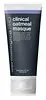
This wash off mask is made with Aloe Barbadensis Leaf Juice and Avena Sativa Kernel Oil for a rinse-off calming boost.
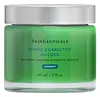
This wash off mask is made with Sodium Hyaluronate and Acetyl Dipeptide-1 Cetyl Ester for a rinse-off calming boost.

What's inside
What's inside
 Key Ingredients
Benefits
Concerns
Ingredients Side-by-side
Water
Skin ConditioningAloe Barbadensis Leaf Juice
Skin Conditioning


Avena Sativa Kernel Protein
Skin ConditioningLimnanthes Alba Seed Oil
Skin Conditioning


Avena Sativa Kernel Oil
Skin Conditioning
Helianthus Annuus Seed Oil
Emollient
Cetyl Alcohol
Emollient

C14-22 Alcohols
Emulsion Stabilising
Glyceryl Stearate
Emollient
Caprylic/Capric Glycerides
EmollientStearyl Alcohol
Emollient
Butylene Glycol
Humectant
Polysorbate 20
Emulsifying
Magnolia Officinalis Bark Extract
Antimicrobial
Lavandula Hybrida Oil
Emollient
Eucalyptus Globulus Leaf Oil
Perfuming



Lavandula Spica Flower Oil
Masking
Tocopherol
Antioxidant




Caprylhydroxamic Acid
ChelatingXanthan Gum
EmulsifyingMethylpropanediol
SolventEthylhexylglycerin
Skin ConditioningC12-20 Alkyl Glucoside
EmulsifyingTocopheryl Acetate
Antioxidant
Linalool
Perfuming
Phenoxyethanol
Preservative
Water, Aloe Barbadensis Leaf Juice, Avena Sativa Kernel Protein, Limnanthes Alba Seed Oil, Avena Sativa Kernel Oil, Helianthus Annuus Seed Oil, Cetyl Alcohol, C14-22 Alcohols, Glyceryl Stearate, Caprylic/Capric Glycerides, Stearyl Alcohol, Butylene Glycol, Polysorbate 20, Magnolia Officinalis Bark Extract, Lavandula Hybrida Oil, Eucalyptus Globulus Leaf Oil, Lavandula Spica Flower Oil, Tocopherol, Caprylhydroxamic Acid, Xanthan Gum, Methylpropanediol, Ethylhexylglycerin, C12-20 Alkyl Glucoside, Tocopheryl Acetate, Linalool, Phenoxyethanol
Water
Skin ConditioningGlycerin
Humectant
Alcohol Denat.
Antimicrobial

Dipropylene Glycol
HumectantDimethicone
Emollient
Butylene Glycol
Humectant
Propylene Glycol
Humectant
PEG-8
HumectantPEG/PPG/Polybutylene Glycol-8/5/3 Glycerin
HumectantAmmonium Polyacryloyldimethyl Taurate
Emulsion StabilisingPhenoxyethanol
Preservative
Carbomer
Emulsion StabilisingDimethiconol
Emollient
Sodium Hyaluronate
Humectant
Olea Europaea Leaf Extract
Perfuming
Sodium Hydroxide
BufferingTetrasodium EDTA
ChelatingSodium Citrate
BufferingParfum
Masking
Acetyl Dipeptide-1 Cetyl Ester
Skin Conditioning
Cucumis Sativus Fruit Extract
Emollient
T-Butyl Alcohol
Perfuming
Sodium Benzoate
Masking
Citrus Grandis Extract
AntimicrobialCitrus Grandis Fruit Extract
Astringent
Toluene Sulfonic Acid
SurfactantBenzyl Benzoate
Antimicrobial
Cellulose Acetate Butyrate
Benzyl Alcohol
Perfuming
Linalool
Perfuming
Water, Glycerin, Alcohol Denat., Dipropylene Glycol, Dimethicone, Butylene Glycol, Propylene Glycol, PEG-8, PEG/PPG/Polybutylene Glycol-8/5/3 Glycerin, Ammonium Polyacryloyldimethyl Taurate, Phenoxyethanol, Carbomer, Dimethiconol, Sodium Hyaluronate, Olea Europaea Leaf Extract, Sodium Hydroxide, Tetrasodium EDTA, Sodium Citrate, Parfum, Acetyl Dipeptide-1 Cetyl Ester, Cucumis Sativus Fruit Extract, T-Butyl Alcohol, Sodium Benzoate, Citrus Grandis Extract, Citrus Grandis Fruit Extract, Toluene Sulfonic Acid, Benzyl Benzoate, Cellulose Acetate Butyrate, Benzyl Alcohol, Linalool
Ingredients Explained
These ingredients are found in both products.
Ingredients higher up in an ingredient list are typically present in a larger amount.
Butylene Glycol (or BG) is used within cosmetic products for a few different reasons:
Overall, Butylene Glycol is a safe and well-rounded ingredient that works well with other ingredients.
Though this ingredient works well with most skin types, some people with sensitive skin may experience a reaction such as allergic rashes, closed comedones, or itchiness.
Learn more about Butylene GlycolLinalool is a small, naturally occurring scent molecule found in plants like lavender, coriander, bergamot, and more.
It is one of the two most-used fragrance ingredients in cosmetics and added purely for smell. Since it's not used for a skin benefit, there's no "effective dose". Concentration depends on the fragrance load of the product.
The EU requires it to be named on the label above 0.001% in leave-on and 0.01% in rinse-off products.
Fresh linalool is a weak sensitizer but air exposure turns some of it into hydroperoxides, which are strong sensitizers. Those oxidation products are the actual allergy concern.
Patch-test clinics see positive reactions to linalool hydroperoxides in about 4% to 12% of dermatitis patients depending on country and test concentration.
Resassuringly, one analytical study found hydroperoxide levels in real fragranced products to be orders of magnitude below what induced sensitization in animal studies with no evidence of oxidation building up during normal storage.
The practical takeaway is that linalool is fine for most people but worth avoiding if you have a confirmed fragrance contact allergy or a badly compromised barrier.
Products stored a long time after opening are also the high-risk scenario since that is when oxidation happens.
The scent of linalool is described as floral, spicy tropical, and citrus-like.
Learn more about LinaloolPhenoxyethanol is one of the most widely used preservatives in skincare (and for good reason!).
It has a large spectrum of antimicrobial activity and especially effective bacteria, yeast, and mold while only having a weak effect on your skin's natural microbiome.
On a cellular level, it disrupts the cell membranes of microbes by poking holes that make the cell leak. This shuts down the chemical reactions the microbe needs to make energy so it can no longer survive.
Another perk of this ingredient is that it stays functional across a wide pH range (3-10).
You'll often see it paired with boosters like Ethylhexylglycerin; one study showed that a 1:9 ratio of Ethylhexylglycerin to Phenoxyethanol damages bacterial membranes as effectively as doubling the Phenoxyethanol concentration on its own.
Typical use concentrations range from 0.3-1% depending on the formula, and this ingredient is capped at 1% int the EU.
Safety-wise, the fear mongering does not hold up to the evidence. The EU's Scientific Committee on Consumer Safety and FDA consider it safe as a preservative at up to 1%, including for children of all ages.
Adverse systemic effects only showed up in animal studies at exposures roughly 200x higher than what people get from cosmetics. And despite its very widespread use, this ingredient is a rare sensitizer and allergic reactions are uncommon.
Learn more about PhenoxyethanolWater. It's the most common cosmetic ingredient of all. You'll usually see it at the top of ingredient lists, meaning that it makes up the largest part of the product.
So why is it so popular? Water most often acts as a solvent - this means that it helps dissolve other ingredients into the formulation.
You'll also recognize water as that liquid we all need to stay alive. If you see this, drink a glass of water. Remember to stay hydrated!
Learn more about Water

