

What's inside
What's inside
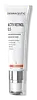 Key Ingredients
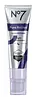
Benefits
Concerns
Ingredients Side-by-side
Water
Skin ConditioningDiglycerin
Humectant
Trideceth-9
EmulsifyingEthylhexyl Methoxycrylene
Skin Conditioning
PEG-40 Hydrogenated Castor Oil
Emulsifying

Panthenol
Skin Conditioning



Retinol
Skin Conditioning








Ascorbyl Tetraisopalmitate
Antioxidant

Ascorbyl Palmitate
Antioxidant
Tocopherol
Antioxidant
Allantoin
Skin Conditioning
Cholesterol
Emollient
Sphingolipids
Emollient
Phospholipids
Skin Conditioning
Lecithin
Emollient
Hydrogenated Palm Glycerides Citrate
Emollient
Polyacrylate Crosspolymer-6
Emulsion StabilisingPolysorbate 20
Emulsifying
Ethylhexylglycerin
Skin ConditioningT-Butyl Alcohol
Perfuming


Glyceryl Stearate
Emollient
Potassium Sorbate
Preservative
Glyceryl Oleate
Emollient
Sodium Citrate
BufferingCitric Acid
Buffering
BHT
Antioxidant
BHA
Antioxidant
Phenoxyethanol
Preservative
Disodium EDTA
Sodium Hydroxide
BufferingWater, Diglycerin, Trideceth-9, Ethylhexyl Methoxycrylene, PEG-40 Hydrogenated Castor Oil, Panthenol, Retinol, Ascorbyl Tetraisopalmitate, Ascorbyl Palmitate, Tocopherol, Allantoin, Cholesterol, Sphingolipids, Phospholipids, Lecithin, Hydrogenated Palm Glycerides Citrate, Polyacrylate Crosspolymer-6, Polysorbate 20, Ethylhexylglycerin, T-Butyl Alcohol, Glyceryl Stearate, Potassium Sorbate, Glyceryl Oleate, Sodium Citrate, Citric Acid, BHT, BHA, Phenoxyethanol, Disodium EDTA, Sodium Hydroxide
Water
Skin ConditioningGlycerin
Humectant
Butylene Glycol
Humectant
Dimethicone
Emollient
Caprylic/Capric Triglyceride
Masking
C12-15 Alkyl Benzoate
AntimicrobialPhenoxyethanol
Preservative
Polysorbate 20
Emulsifying
Xanthan Gum
EmulsifyingAcrylates/C10-30 Alkyl Acrylate Crosspolymer
Emulsion StabilisingDimethiconol
Emollient
Retinol
Skin Conditioning
Bisabolol
Antioxidant
Inulin Lauryl Carbamate
Emulsion StabilisingCaprylyl Glycol
Emollient
Sorbitan Laurate
Emulsifying
Potassium Hydroxide
BufferingEthylhexylglycerin
Skin ConditioningCarbomer
Emulsion StabilisingTetrasodium EDTA
Behentrimonium Chloride
Preservative
Sucrose Laurate
Emollient
Hydroxyethylcellulose
Emulsion StabilisingAcetyl Dipeptide-1 Cetyl Ester
Skin Conditioning
Benzoic Acid
Masking
Palmitoyl Tripeptide-1
Skin Conditioning
Palmitoyl Tetrapeptide-7
Skin Conditioning
Water, Glycerin, Butylene Glycol, Dimethicone, Caprylic/Capric Triglyceride, C12-15 Alkyl Benzoate, Phenoxyethanol, Polysorbate 20, Xanthan Gum, Acrylates/C10-30 Alkyl Acrylate Crosspolymer, Dimethiconol, Retinol, Bisabolol, Inulin Lauryl Carbamate, Caprylyl Glycol, Sorbitan Laurate, Potassium Hydroxide, Ethylhexylglycerin, Carbomer, Tetrasodium EDTA, Behentrimonium Chloride, Sucrose Laurate, Hydroxyethylcellulose, Acetyl Dipeptide-1 Cetyl Ester, Benzoic Acid, Palmitoyl Tripeptide-1, Palmitoyl Tetrapeptide-7
Ingredients Explained
These ingredients are found in both products.
Ingredients higher up in an ingredient list are typically present in a larger amount.
Ethylhexylglycerin is created from glycerin. It is a multitasker ingredient that:
The CIR Expert Panel found minimal skin absorption or sensitization of any kind in a safety assessment. Though this ingredient is considered well-tolerated, a small number of cases of allergic dermatitis have been published since 2002. Just be sure to patch test if you are unsure.
Industry-reported use ranges from 8% in rinse-off products and 2% in leave-on formulations.
Learn more about EthylhexylglycerinPhenoxyethanol is a preservative that has germicide, antimicrobial, and aromatic properties. Studies show that phenoxyethanol can prevent microbial growth. By itself, it has a scent that is similar to that of a rose.
It's often used in formulations along with Caprylyl Glycol to preserve the shelf life of products.
Polysorbate 20 is a gentle, water-soluble emulsifier and mild surfactant. It stops oil and water from separating to keep your formulas blended and stable.
It also acts as a mild penetration enhancer by helping active ingredients absorb slightly better.
The common safety discussion around this ingredient involves a manufacturing byproduct called 1,4-dioxane.
Trace amounts can form during production but the EU's Scientific Committee on Consumer Safety has concluded that levels at/below 10 ppm in finished products are safe (commercial products consistently fall within acceptable margins).
True allergic reactions are uncommon and the CIR Expert Panel has confirmed this ingredient to be safe as used in cosmetics.
Because it is derived from lauric acid, it may not be fungal acne safe.
Learn more about Polysorbate 20Retinol is a gold-standard ingredient for anti-aging. It is a form of Vitamin A and belongs to the class of retinoids that also includes tretinoin.
Why is retinol famous?
It has the most scientific studies backing up its skin benefits out of all the non-prescription ingredients.
Retinol is proven to:
This is why retinol is effective at removing wrinkles, fading dark spots, treating acne, and reducing the appearance of pores.
Studies show retinol is less effective when exposed to UV. Be sure to look for appropriate packaging to keep your retinol potent (similar to Vitamin C).
Using retinol or any retinoids will increase sun-sensitivity in the first few months. Though studies show retinoids increase your skin's natural SPF with continuous use, it is best to always wear sunscreen and sun-protection.
We recommend speaking with a medical professional about using this ingredient during pregnancy.
Retinol may cause irritation in some people, so be sure to patch test. Experts recommend 'ramping up' retinol use: start using this ingredient once a week and work up to using it daily.
Read about Tretinoin
Learn more about RetinolWater. It's the most common cosmetic ingredient of all. You'll usually see it at the top of ingredient lists, meaning that it makes up the largest part of the product.
So why is it so popular? Water most often acts as a solvent - this means that it helps dissolve other ingredients into the formulation.
You'll also recognize water as that liquid we all need to stay alive. If you see this, drink a glass of water. Remember to stay hydrated!
Learn more about Water
