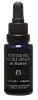
This hydrating oil is formulated around Simmondsia Chinensis Seed Oil and Argania Spinosa Kernel Oil to hydrate skin and strengthen the skin barrier.
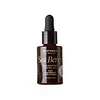
This calming oil is formulated around Simmondsia Chinensis Seed Oil and Anthemis Nobilis Flower Extract to calm redness and hydrate skin.


What's inside
What's inside
 Key Ingredients
Benefits
Concerns
Ingredients Side-by-side
Simmondsia Chinensis Seed Oil
Emollient





Argania Spinosa Kernel Oil
Emollient


Oenothera Biennis Oil
Emollient


Opuntia Ficus-Indica Seed Oil
Emollient
Rosa Rubiginosa Seed Oil
Emollient
Oryza Sativa Bran Oil
Emollient
Sclerocarya Birrea Seed Oil
Humectant
Macadamia Integrifolia Seed Oil
Skin Conditioning
Calophyllum Inophyllum Seed Oil
Antimicrobial
Punica Granatum Seed Oil
Emollient
Hippophae Rhamnoides Fruit Extract
Skin Conditioning
Calendula Officinalis Flower Extract
Masking
Rosmarinus Officinalis Leaf Extract
AntimicrobialPinus Palustris Resin Extract
Pelargonium Graveolens Leaf Oil
Citrus Aurantium Dulcis Peel Oil
Masking
Boswellia Carterii Oil
Masking
Commiphora Myrrha Oil
Masking
Citrus Aurantium Flower Oil
Perfuming

Jasminum Grandiflorum Flower Extract
Masking
Anthemis Nobilis Flower Oil
Masking
Lavandula Angustifolia Flower Oil
Masking
Vetiveria Zizanoides Root Oil
Masking
Santalum Album Oil
Masking
Tocopherol
Antioxidant


Pogostemon Cablin Leaf Oil
Masking
Carum Carvi Seed Oil
Masking
Hierochloe Alpina Herb Extract
Perfuming
Linalool
Perfuming
Citronellol
Perfuming
Limonene
Perfuming
Geraniol
Perfuming
Citral
Perfuming
Eugenol
Perfuming
Water
Skin ConditioningEpilobium Fleischeri Extract
Skin ConditioningMoneses Uniflora Extract
Platanthera Bifolia Extract
Prunus Padus Extract
Antioxidant
Campanula Rotundifolia Extract
Antioxidant
Crataegus Monogyna Fruit
Skin ConditioningSimmondsia Chinensis Seed Oil, Argania Spinosa Kernel Oil, Oenothera Biennis Oil, Opuntia Ficus-Indica Seed Oil, Rosa Rubiginosa Seed Oil, Oryza Sativa Bran Oil, Sclerocarya Birrea Seed Oil, Macadamia Integrifolia Seed Oil, Calophyllum Inophyllum Seed Oil, Punica Granatum Seed Oil, Hippophae Rhamnoides Fruit Extract, Calendula Officinalis Flower Extract, Rosmarinus Officinalis Leaf Extract, Pinus Palustris Resin Extract, Pelargonium Graveolens Leaf Oil, Citrus Aurantium Dulcis Peel Oil, Boswellia Carterii Oil, Commiphora Myrrha Oil, Citrus Aurantium Flower Oil, Jasminum Grandiflorum Flower Extract, Anthemis Nobilis Flower Oil, Lavandula Angustifolia Flower Oil, Vetiveria Zizanoides Root Oil, Santalum Album Oil, Tocopherol, Pogostemon Cablin Leaf Oil, Carum Carvi Seed Oil, Hierochloe Alpina Herb Extract, Linalool, Citronellol, Limonene, Geraniol, Citral, Eugenol, Water, Epilobium Fleischeri Extract, Moneses Uniflora Extract, Platanthera Bifolia Extract, Prunus Padus Extract, Campanula Rotundifolia Extract, Crataegus Monogyna Fruit
Simmondsia Chinensis Seed Oil
Emollient
Anthemis Nobilis Flower Extract
Masking
Calendula Officinalis Flower Extract
Masking
Vitis Vinifera Seed Oil
Emollient
Carthamus Tinctorius Seed Oil
Masking
Camellia Sinensis Leaf Extract
Antimicrobial
Thymus Vulgaris Extract
Perfuming
Punica Granatum Seed Oil
Emollient
Oenothera Biennis Oil
Emollient
Calophyllum Inophyllum Seed Oil
Antimicrobial
Hippophae Rhamnoides Fruit Oil
Skin Protecting
Opuntia Ficus-Indica Seed Oil
Emollient
Ubiquinone
Antioxidant
Saccharum Officinarum Extract
MoisturisingTocopherol
Antioxidant
Sambucus Nigra Fruit Extract
AstringentAnthemis Nobilis Flower Oil
Masking
Helichrysum Italicum Flower Oil
Masking
Boswellia Carterii Oil
Masking
Melaleuca Alternifolia Leaf Oil
Antioxidant
Cistus Ladaniferus Oil
Emollient
Thymus Vulgaris Oil
Masking
Cananga Odorata Flower Oil
Masking
Lavandula Angustifolia Oil
Masking
Simmondsia Chinensis Seed Oil, Anthemis Nobilis Flower Extract, Calendula Officinalis Flower Extract, Vitis Vinifera Seed Oil, Carthamus Tinctorius Seed Oil, Camellia Sinensis Leaf Extract, Thymus Vulgaris Extract, Punica Granatum Seed Oil, Oenothera Biennis Oil, Calophyllum Inophyllum Seed Oil, Hippophae Rhamnoides Fruit Oil, Opuntia Ficus-Indica Seed Oil, Ubiquinone, Saccharum Officinarum Extract, Tocopherol, Sambucus Nigra Fruit Extract, Anthemis Nobilis Flower Oil, Helichrysum Italicum Flower Oil, Boswellia Carterii Oil, Melaleuca Alternifolia Leaf Oil, Cistus Ladaniferus Oil, Thymus Vulgaris Oil, Cananga Odorata Flower Oil, Lavandula Angustifolia Oil
Ingredients Explained
These ingredients are found in both products.
Ingredients higher up in an ingredient list are typically present in a larger amount.
This oil is created by distilling the dried flower heads of the Roman Chamomile flower.
Chamomile is rich in antioxidants and has anti-inflammatory properties. Several compounds found in chamomile help with soothing, such as bisbolol.
Boswellia Carterii Oil is also known as Frankincense oil. It has a warm, spicy, smokey, and woody aroma.
Calendula Officinalis Flower Extract comes from the marigold flower and has been used on skin for centuries for its calming effect.
In the lab, its active compounds appear to calm inflammation and support the early "healing" phase of minor wounds.
This is why Europe's medicines regulator has approved calendula extracts as a traditional remedy for minor skin inflammation and healing small wounds.
The stronger human evidence is around would/ulcer care rather than everyday cosmetic claims; a review that pulled together 14 studies found that calendula helped calm the early, inflamed stage of a wound and helped new skin tissue form faster.
Two studies also showed it shrank leg ulcers (the kind caused by poor circulation). Results were mixed for burns and for the skin irritation people get from radiation treatment, so it's not a sure thing there.
In cosmetics, it's mostly a skin conditioning and soothing agent.
The Cosmetic Ingredient Review panel concluded that calendula-derived ingredients are safe as used and that the ingredients are not irritating, sensitizing, or photosensitizing in clinical tests (though they may be mild eye irritants).
Typical use levels are quite low; industry data reported it used at under 0.5% (one supplier noted a 10-25% extract blend used at 1-10% in the finished product). Historical use goes up to 10%.
The only thing to keep in mind is if you have daisy/ragweed allergies. Calendula is in the same family and one patch-test study found 2% of dermatitis patients reacted to marigold. Be sure to patch test if you have sensitive or allergy-prone skin.
Learn more about Calendula Officinalis Flower ExtractCalophyllum Inophyllum Seed Oil comes from the Tamanu tree. This tree grows in tropical regions of Asia and Polynesian countries such as Fiji.
Calophyllum Inophyllum Seed Oil contains many fatty acids such as linoleic, oleic, stearic, and palmitic acid. These properties help your skin stay hydrated.
As an antioxidant, Calophyllum Inophyllum Seed Oil may also slow down the signs of aging. Antioxidants help fight unstable free-radical molecules.
These molecules may damage your skin cells and speed up aging. By helping to stabilize these molecules, antioxidants may help slow the signs of aging.
A study from 2015 found Tamanu oil to have antibacterial and anti-inflammatory properties.
Another study from 2009 found Tamanu Oil to help absorb UV rays. However, this should not replace your sunscreen.
Due to the fatty acid content, this ingredient may not be fungal-acne safe.
Learn more about Calophyllum Inophyllum Seed OilOenothera Biennis Oil (aka Evening Primrose Oil) is a non-fragrant oil from the evening primrose. Like other botanical oils, it is an emollient that helps hydrate and nourish skin.
It has an interesting fatty acid profile: linoleic (70-74%) and γ-linolenic (8-10%), with some amounts ofoleic palmitic, and stearic acids.
The gamma-linoleic acid (GLA) is the headliner here; it's relatively rare in plant oils and acts as a precursor for anti-inflammatory signaling molecules in the skin.
There's a mixed body of clinical research with this ingredient as well, mostly on eczema/atopic dermatitis skin.
Some controlled trials showed improvement in inflammation, dryness, scaling, and overall severity. Other studies and large meta-analysis failed to show a significant effect; the honest takeaway here is "promising but inconsistent" rather than "miracle oil".
On the safety front, this ingredient is found to be safe as used in cosmetics and even has a history of safe food use.
This ingredient does have a comedogenic rating of 3, but this doesn't mean a formula with this ingredient will clog pores. Human testing has proved that any finished product with this ingredient won't automatically make you break out; it really comes down to concentration, formula, and your skin.
Since this oil is contains oleic acid and palmitic acid, it may not be fungal acne safe. The Malassezia yeast feeds on fatty acids with carbon chain lengths between C11-C24. Oleic Acid sits at C18 and Palmitic acid sits at C16.
In vitro studies have shown that oleic acid and palmitic acid are some of the fatty acids that induce rapid Malassezia growth in lab settings.
Learn more about Oenothera Biennis OilThis ingredient is also known as prickly pear seed oil (PPSO); it's one of the more nutritionally dense plant oils you can find in cosmetics.
Its fatty acid profile is dominated by linoleic acid (57-65%), followed by oleic (16-22%), and palmitic (12-16%).
That high linoleic acid content is a big deal for skin. Linoleic acid is a key component of the skin's own lipid barrier and this combination is associated with improved skin hydration + barrier repair.
PPSO also contains some phytosterols and is exceptionally rich in tocopherols (vitamin E). The phytosterols contribute to anti-inflammatory activity and the tocopherols provide meaningful antioxidant protection.
Animal studies have shown that topical application of PPSO reduced edema formation and inflammatory cell infiltration; this supports its traditional use for wound healing and skin inflammation.
In vitro studies, preclinical, and clinical evidence all point to a very low toxicity profile for this ingredient.
Typical use levels range from 1-100% :
Fungal acne: The Malassezia species can metabolize fatty acids with carbon chain lengths between C11-24. Linoleic, oleic, and palmitic acid fall into this range, making PPSO not fungal acne safe.
Learn more about Opuntia Ficus-Indica Seed OilPunica Granatum Seed Oil is created from the seeds of the pomegranate. Pomegranate seed oil helps hydrate the skin, is anti-inflammatory, and contains antioxidants.
Pomegranates are rich in fatty acids, including an unsaturated fatty acid by the name of Punicic acid. Other components of pomegranates include Vitamin E, Vitamin C, and bioactive lipids such as phytosterols, phospholipids, and triterpenes. Punicic acid helps soothe inflammation.
As an emollient, pomegranate oil creates a thin film on the skin. This film helps prevent moisture loss, keeping your skin hydrated.
Learn more about Punica Granatum Seed OilJojoba oil is one of the most well-studied plant-derived ingredients in cosmetics. It is an emollient with a special structure.
Because it is made up of 97-98% wax esters, it closely mirrors the linear monoesters found in human sebum. This makes it skin compatible, non-greasy, and lightweight.
Unlike other plant oils, jojoba wax doesn't easily penetrate skin. It mostly works in the uppermost layers as an emollient. This just means it forms a light barrier on the skin to help retain moisture.
Formulations with jojoba esters up to 90% reduced transepidermal water loss (TEWL) and increased barrier recovery by 81% (outperforming bisabolol at 47%).
Besides barrier support, the science also suggests jojoba to have anti-inflammatory effects and potential applications for skin infections, aging, and wound healing.
Fun fact: Indigenous cultures have used jojoba as a moisturizer and to help treat burns for centuries.
Fungal acne: The Malassezia yeast is known to metabolize fatty acids in the C11-24 range and jojoba's dominant fatty acid components fall into this range. This ingredient may not be fungal acne safe.
Learn more about Simmondsia Chinensis Seed OilTocopherol is a fat-soluble antioxidant known as Vitamin E.
You'll find this ingredient in the vast majority of skincare (for good reason). It works to neutralize free radicals, or unstable molecules generated by UV exposure, pollution, and other environmental stressors, before they can cause oxidative damage to your skin cells.
Topically applied tocopherol has been shown to protect against UV damage by ramping up the skin's own natural defense enzymes.
It also acts as a skin conditioning agent; some studies show that regular topical use can improve the skin's water-binding capacity over 2-4 weeks.
This ingredient is especially loved for being a team player. When combined with Vitamin C, the photoprotective effect of both ingredients roughly doubles and the combo also helps reduce UV-induced DNA damage.
This ingredient has some brightening potential but it's more of a prevention ingredient than spot-fader. Cell studies show it can slow down melanin production but it's worth noting that it's not the most powerful brightener out there.
In formulations, it also serves as a stabilizer that helps protect other oxidation-prone ingredients from degrading.
Concentrations usually range from 0.1-1% in most leave-on products.
Learn more about Tocopherol

