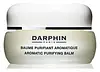
This hydrating overnight mask is formulated around Helianthus Annuus Seed Oil and Macadamia Integrifolia Seed Oil to hydrate skin and calm redness.
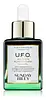
This acne oil is formulated around Glycyrrhiza Glabra Root Extract and 4-Terpineol to clear breakouts and fade the look of dark spots.


What's inside
What's inside
 Key Ingredients
No key ingredients
Benefits
Concerns
Ingredients Side-by-side
Prunus Armeniaca Kernel Oil
Masking





Helianthus Annuus Seed Oil
Emollient
Hydrogenated Vegetable Oil
Emollient
Macadamia Integrifolia Seed Oil
Skin Conditioning
Myristica Fragrans Kernel Oil
Masking
Ferula Galbaniflua Resin Oil
Antimicrobial


Anthemis Nobilis Flower Oil
Masking
Aniba Rosaeodora Wood Oil
Astringent
Salvia Officinalis Oil
Masking
Citrus Grandis Peel Oil
Masking
Thymus Vulgaris Oil
Masking
Melaleuca Leucadendron Cajaput Oil
Masking
Pelargonium Graveolens Flower Oil
Masking
Cananga Odorata Flower Oil
Masking
Lavandula Angustifolia Oil
Masking
Copaifera Officinalis Resin
MaskingLinalool
Perfuming
Limonene
Perfuming
Citronellol
Perfuming
Geraniol
Perfuming
Benzyl Benzoate
Antimicrobial
Benzyl Salicylate
Perfuming
Citral
Perfuming
Farnesol
Perfuming
Eugenol
Perfuming
Prunus Armeniaca Kernel Oil, Helianthus Annuus Seed Oil, Hydrogenated Vegetable Oil, Macadamia Integrifolia Seed Oil, Myristica Fragrans Kernel Oil, Ferula Galbaniflua Resin Oil, Anthemis Nobilis Flower Oil, Aniba Rosaeodora Wood Oil, Salvia Officinalis Oil, Citrus Grandis Peel Oil, Thymus Vulgaris Oil, Melaleuca Leucadendron Cajaput Oil, Pelargonium Graveolens Flower Oil, Cananga Odorata Flower Oil, Lavandula Angustifolia Oil, Copaifera Officinalis Resin, Linalool, Limonene, Citronellol, Geraniol, Benzyl Benzoate, Benzyl Salicylate, Citral, Farnesol, Eugenol
Silybum Marianum Seed Oil
Skin Conditioning
Nigella Sativa Seed Oil
Emollient
Cucumis Sativus Seed Oil
Emollient
Punica Granatum Seed Oil
Emollient
Diisopropyl Sebacate
EmollientVaccinium Macrocarpon Seed Oil
Skin Conditioning
Dimethyl Isosorbide
SolventLinum Usitatissimum Seed Oil
Perfuming
Caprylic/Capric Triglyceride
Masking

Glycyrrhiza Glabra Root Extract
Bleaching



Prunus Armeniaca Kernel Oil
Masking
Hexylresorcinol
Antimicrobial
Ethyl Linoleate
Emollient
Melia Azadirachta Leaf Extract
Skin ConditioningChamomilla Recutita Flower Oil
Masking
Citrus Aurantium Amara Flower Oil
Masking
Melia Azadirachta Flower Extract
Skin ConditioningHelianthus Annuus Seed Oil
Emollient
4-Terpineol
Masking
Simmondsia Chinensis Seed Oil
Emollient
Coccinia Indica Fruit Extract
Skin Conditioning
Solanum Melongena Fruit Extract
Skin ConditioningAmber Powder
Curcuma Longa Root Extract
Antioxidant
Curcuma Longa Leaf Extract
Skin ConditioningOcimum Sanctum Leaf Extract
Skin ConditioningAloe Barbadensis Flower Extract
EmollientCorallina Officinalis Extract
Skin Conditioning
Rosmarinus Officinalis Leaf Extract
AntimicrobialMoringa Oleifera Seed Oil
Emollient
Tocopherol
Antioxidant

Citrus Paradisi Peel Oil
Masking
Ocimum Basilicum Flower/Leaf Extract
TonicSilybum Marianum Seed Oil, Nigella Sativa Seed Oil, Cucumis Sativus Seed Oil, Punica Granatum Seed Oil, Diisopropyl Sebacate, Vaccinium Macrocarpon Seed Oil, Dimethyl Isosorbide, Linum Usitatissimum Seed Oil, Caprylic/Capric Triglyceride, Glycyrrhiza Glabra Root Extract, Prunus Armeniaca Kernel Oil, Hexylresorcinol, Ethyl Linoleate, Melia Azadirachta Leaf Extract, Chamomilla Recutita Flower Oil, Citrus Aurantium Amara Flower Oil, Melia Azadirachta Flower Extract, Helianthus Annuus Seed Oil, 4-Terpineol, Simmondsia Chinensis Seed Oil, Coccinia Indica Fruit Extract, Solanum Melongena Fruit Extract, Amber Powder, Curcuma Longa Root Extract, Curcuma Longa Leaf Extract, Ocimum Sanctum Leaf Extract, Aloe Barbadensis Flower Extract, Corallina Officinalis Extract, Rosmarinus Officinalis Leaf Extract, Moringa Oleifera Seed Oil, Tocopherol, Citrus Paradisi Peel Oil, Ocimum Basilicum Flower/Leaf Extract
Alternatives
Ingredients Explained
These ingredients are found in both products.
Ingredients higher up in an ingredient list are typically present in a larger amount.
Helianthus Annuus Seed Oil is a plant oil derived from the seeds of a sunflower.
It is rich in fatty acids, primarily linoleic acid and oleic acid. This gives it emollient and skin conditioning properties.
The reason this ingredient is so effective is because it forms a thin film on the skin that reduces transepidermal water loss (TEWL) while supplying linoleic acid to the stratum corneum to improve barrier strength.
The high linoleic acid content is particularly noteworthy for acne-prone skin.
Research suggests that acne-prone skin tends to be deficient in linoleic acid in sebum. Topical application may help replenish this to support a healthier follicular environment and less comedone-promoting sebum.
One randomized study found sunflower seed oil preserved skin barrier integrity in adult volunteers with and without atopic dermatitis (outperforming olive oil).
This ingredient is well-studied, gentle, and an effective emollient suitable for most skin types.
On fungal acne: This ingredient may not be Fungal acne (Malassezia folliculitis) safe. This is because it contains fatty acids with carbon chain lengths in the C11-C24 range.
Learn more about Helianthus Annuus Seed OilThis ingredient is also known as Apricot kernel oil, and it comes form the seed kernels of apricot (a member of the Rosaceae family like almond, peach, cherry, and plum).
It's mostly made up of triglycerides: oleic acid (43.9-78.5%), linoleic acid (9.7-37%), and palmitic acid (4.9-7.3%). These numbers vary depending on the variety of Prunus and the ripeness of the fruit; oleic tends to go up at late harvest while linoleic goes down.
Vitamin E is also prevalent in this ingredient and the most dominant form is gamma-tocopherol.
These compounds give the ingredient emollient and skin conditioning properties that keep the skin soft and hydrated.
There's no regulatory maximum cap for this ingredient so you'll see it across a huge concentration range (100% as a single ingredient facial oil).
On allergies: refined cosmetic-grade oils carry almost no protein. The CIR notes that people allergic to a food generally do not react to the refined oil because the allergenic protein does not partition into it (though cold-pressed grades retain more).
However, it's worth patch testing if you have a stone fruit or tree nut allergy because manufacturer processes for removing the protein can vary.
Malassezia lacks the cytosolic fatty acid synthase gene so the yeast cannot make palmitate on its own and instead uses lipases and phospholipases to release fatty acids from host lipids. Since apricot kernel oil is entirely C16-18 (right in the usable range of C11-24), this ingredient may not be fungal acne safe.
Old rabbit-ear testing did assign this ingredient a comedogenic rating of 1-2. The original author has stated that testing on rabbit ears is not an ideal model for human comedogenicity.
Human testing has proved that any finished product with a comedogenic ingredient won't automatically make you break out; it really comes down to concentration, formula, and your skin.
Just know high-oleic oils tend to feel heavier on oily skin so it's worth patch testing.
Learn more about Prunus Armeniaca Kernel Oil

