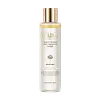
This hydrating toner is formulated around Tocopherol and Centella Asiatica Extract to hydrate skin and calm redness.
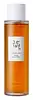
This calming essence is formulated around Panax Ginseng Root Water and Niacinamide to calm redness and hydrate skin.

What's inside
What's inside
 Key Ingredients
Benefits
Concerns
No concerns
Ingredients Side-by-side
Water
Skin ConditioningDipropylene Glycol
HumectantNeopentyl Glycol Diheptanoate
EmollientGlycereth-26
Humectant
1,2-Hexanediol
Skin Conditioning
Tuber Magnatum Extract
Skin ConditioningTocopherol
Antioxidant






Hydroxyethyl Urea
Humectant
Sodium Chloride
MaskingBetaine
Humectant
Persea Gratissima Oil
Skin Conditioning




Rosa Damascena Flower Water
Masking
Butylene Glycol
Humectant
Sorbitol
Humectant
Helianthus Annuus Seed Oil
Emollient
Disodium EDTA
ChelatingCentella Asiatica Extract
Cleansing

Camellia Sinensis Leaf Extract
Antimicrobial

Houttuynia Cordata Extract
Skin Conditioning
Portulaca Oleracea Extract
Skin Conditioning
Adenosine
Skin Conditioning
Olea Europaea Fruit Oil
Masking
Macadamia Ternifolia Seed Oil
Emollient
Camellia Japonica Seed Oil
Emollient
Oenothera Biennis Oil
Emollient
Gluconolactone
Chelating

Glycerin
Humectant
Glycine Soja Oil
Emollient
Hippophae Rhamnoides Fruit Oil
Skin Protecting
Opuntia Ficus-Indica Stem Extract
Skin Conditioning
Castanea Crenata Shell Extract
Skin ConditioningDiospyros Kaki Leaf Extract
Skin Protecting
Bixa Orellana Seed Oil
Emollient
Protease
Exfoliating
Papain
Skin Conditioning
Bromelain
Skin Conditioning
Lipase
Skin ConditioningParfum
Masking

Linalool
Perfuming
Hexyl Cinnamal
Perfuming
Limonene
Perfuming
Water, Dipropylene Glycol, Neopentyl Glycol Diheptanoate, Glycereth-26, 1,2-Hexanediol, Tuber Magnatum Extract, Tocopherol, Hydroxyethyl Urea, Sodium Chloride, Betaine, Persea Gratissima Oil, Rosa Damascena Flower Water, Butylene Glycol, Sorbitol, Helianthus Annuus Seed Oil, Disodium EDTA, Centella Asiatica Extract, Camellia Sinensis Leaf Extract, Houttuynia Cordata Extract, Portulaca Oleracea Extract, Adenosine, Olea Europaea Fruit Oil, Macadamia Ternifolia Seed Oil, Camellia Japonica Seed Oil, Oenothera Biennis Oil, Gluconolactone, Glycerin, Glycine Soja Oil, Hippophae Rhamnoides Fruit Oil, Opuntia Ficus-Indica Stem Extract, Castanea Crenata Shell Extract, Diospyros Kaki Leaf Extract, Bixa Orellana Seed Oil, Protease, Papain, Bromelain, Lipase, Parfum, Linalool, Hexyl Cinnamal, Limonene
Panax Ginseng Root Water
Masking
Butylene Glycol
Humectant
Glycerin
Humectant
Propanediol
Solvent
Niacinamide
Smoothing
1,2-Hexanediol
Skin Conditioning
Water
Skin ConditioningHydroxyacetophenone
Antioxidant
Glyceryl Glucoside
Humectant
Xanthan Gum
EmulsifyingPanthenol
Skin Conditioning
Dipotassium Glycyrrhizate
Humectant
Allantoin
Skin Conditioning
Adenosine
Skin Conditioning
Panax Ginseng Callus Culture Extract
Skin ConditioningTheobroma Cacao Extract
Skin ConditioningDextrin
AbsorbentGlucose
Humectant
Panax Ginseng Root Extract
Emollient
Panax Ginseng Berry Extract
Skin Conditioning
Lactobacillus/Panax Ginseng Root Extract Ferment Filtrate
Skin ConditioningSodium Hyaluronate
Humectant
Ethylhexylglycerin
Skin ConditioningDisodium EDTA
ChelatingPanax Ginseng Root Water, Butylene Glycol, Glycerin, Propanediol, Niacinamide, 1,2-Hexanediol, Water, Hydroxyacetophenone, Glyceryl Glucoside, Xanthan Gum, Panthenol, Dipotassium Glycyrrhizate, Allantoin, Adenosine, Panax Ginseng Callus Culture Extract, Theobroma Cacao Extract, Dextrin, Glucose, Panax Ginseng Root Extract, Panax Ginseng Berry Extract, Lactobacillus/Panax Ginseng Root Extract Ferment Filtrate, Sodium Hyaluronate, Ethylhexylglycerin, Disodium EDTA
Reviews
Ingredients Explained
These ingredients are found in both products.
Ingredients higher up in an ingredient list are typically present in a larger amount.
1,2-Hexanediol is a synthetic liquid and another multi-functional powerhouse.
It is a:
- Humectant, drawing moisture into the skin
- Emollient, helping to soften skin
- Solvent, dispersing and stabilizing formulas
- Preservative booster, enhancing the antimicrobial activity of other preservatives
Adenosine is a purine nucleoside that your body already makes in every cell. In skincare, it acts mainly as a skin conditioning and anti-aging agent.
The way it works is fairly well mapped out:
Your skin has cells called fibroblasts that build collagen (the stuff that keeps skin firm and smooth). Adenosine basically flips a switch on these cells that tells them to get to work making more collagen and other proteins. These cells slow down on their own as skin ages, so Adenosine helps give them a little nudge to keep going.
The clinical backing is pretty solid too.
A blind, randomized, placebo-controlled trial of 126 women aged 45-65 tested a 0.1% cream twice daily and found real improvements in crow's feet and frown lines using a precise 3D skin-mapping technique; these changes showed up by week 3 and held at 2 months.
A later study using Adenosine-loaded dissolving microneedle patches reported gains in wrinkle depth, dermal density, elasticity, and hydration.
On concentrations, South Korea's Ministry of Food and Drug Safety has set 0.04% as the approved functional anti-wrinkle level. You'll typically see this ingredient used somewhere in the 0.04-0.1% range since it works at low doses.
This ingredient has been found safe for cosmetics with the data showing no irritation or sensitization.
Overall, this is a great ingredient for any anti-aging routine and has no photosensitizing effect, so it suits both AM and PM use.
Learn more about AdenosineButylene Glycol (or BG) is used within cosmetic products for a few different reasons:
Overall, Butylene Glycol is a safe and well-rounded ingredient that works well with other ingredients.
Though this ingredient works well with most skin types, some people with sensitive skin may experience a reaction such as allergic rashes, closed comedones, or itchiness.
Learn more about Butylene GlycolDisodium EDTA is a chelating agent. It grabs onto and deactivates metal ions that sneak into your products from water, packaging, or air.
This ingredient mainly works behind the scenes and helps with:
On top of that, this ingredient can counteract the effects of hard water by binding to the minerals in it.
One thing worth knowing is that Disodium EDTA has been shown to be a mild penetration enhancer. It can help other ingredients absorb into skin more effectively which can be a double-edged sword (great for actives, but can also make the active too strong if you have sensitive skin).
Clinical patch testing showed no significant skin irritation at typical use concentrations and minimal dermal absorption.
You'll most likely see this ingredient near the end of an ingredient list. It's typically found in concentrations less than 1%.
Learn more about Disodium EDTAGlycerin (or glycerol) is a compound naturally found in your skin. It's a powerhouse humectant that pulls water into the stratum corneum.
Topically, glycerin does several things at once:
Your skin makes glycerin on its own (mostly from sebaceous oil breakdown) and shuttles it to your outermost layer of skin, or your epidermis, via aquaporin-3.
Aquaporin-3 is a transporter that is essential for normal skin hydration, elasticity, and repair. Interestingly, mice lacking in AQP3 have dry and less elastic skin that can be fully corrected with glycerin.
This ingredient is non-irritating, plays well with almost every ingredient, and works across all skin types. Typical use is anywhere between 3-10% but can go up to 79% in some leave-on products.
Just know very high concentrations (>40%) can feel tacky in low humidity.
Glycerin is the name for this ingredient in American English. British English uses Glycerol/Glycerine.
Learn more about GlycerinWater. It's the most common cosmetic ingredient of all. You'll usually see it at the top of ingredient lists, meaning that it makes up the largest part of the product.
So why is it so popular? Water most often acts as a solvent - this means that it helps dissolve other ingredients into the formulation.
You'll also recognize water as that liquid we all need to stay alive. If you see this, drink a glass of water. Remember to stay hydrated!
Learn more about Water

