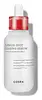
This acne serum is formulated around Propolis Extract and Niacinamide to clear breakouts and calm redness.
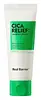
This calming treatment is formulated around Niacinamide and Panthenol to calm redness and strengthen the skin barrier.

What's inside
What's inside
 Key Ingredients
Benefits
Concerns
Ingredients Side-by-side
Propolis Extract
Skin Conditioning




Butylene Glycol
Humectant

Niacinamide
Smoothing






Panthenol
Skin Conditioning
1,2-Hexanediol
Skin Conditioning
Hydroxyethyl Acrylate/Sodium Acryloyldimethyl Taurate Copolymer
Emulsion StabilisingEctoin
Skin Conditioning
Ethylhexylglycerin
Skin ConditioningGlycerin
Humectant
Polyglyceryl-10 Laurate
Skin Conditioning

Polyglyceryl-10 Myristate
Skin Conditioning
Allantoin
Skin Conditioning
Sodium Hyaluronate
Humectant
Asiaticoside
Antioxidant
Asiatic Acid
Skin Conditioning
Madecassic Acid
Skin Conditioning
Helianthus Annuus Seed Oil
Emollient
Macadamia Ternifolia Seed Oil
Emollient
Melaleuca Alternifolia Leaf Oil
Antioxidant



Sucrose Distearate
Emollient
Glyceryl Stearate
Emollient
Hydrogenated Lecithin
Emulsifying
Dipropylene Glycol
HumectantCeramide NP
Skin Conditioning
Propolis Extract, Butylene Glycol, Niacinamide, Panthenol, 1,2-Hexanediol, Hydroxyethyl Acrylate/Sodium Acryloyldimethyl Taurate Copolymer, Ectoin, Ethylhexylglycerin, Glycerin, Polyglyceryl-10 Laurate, Polyglyceryl-10 Myristate, Allantoin, Sodium Hyaluronate, Asiaticoside, Asiatic Acid, Madecassic Acid, Helianthus Annuus Seed Oil, Macadamia Ternifolia Seed Oil, Melaleuca Alternifolia Leaf Oil, Sucrose Distearate, Glyceryl Stearate, Hydrogenated Lecithin, Dipropylene Glycol, Ceramide NP
Water
Skin ConditioningPropanediol
Solvent
Niacinamide
Smoothing
Panthenol
Skin Conditioning
Cetearyl Alcohol
Emollient



Butylene Glycol
Humectant
1,2-Hexanediol
Skin Conditioning
Squalane
Emollient
Triethyl Citrate
Masking
Cetyl Ethylhexanoate
EmollientCentella Asiatica Extract
Cleansing
Asiaticoside
Antioxidant
Asiatic Acid
Skin Conditioning
Madecassic Acid
Skin Conditioning
Glyceryl Stearate Citrate
Emollient
Glyceryl Stearate
Emollient
Diisostearyl Malate
EmollientHydroxyethyl Acrylate/Sodium Acryloyldimethyl Taurate Copolymer
Emulsion StabilisingAcrylates/C10-30 Alkyl Acrylate Crosspolymer
Emulsion StabilisingTromethamine
BufferingHydroxyacetophenone
Antioxidant
Lecithin
Emollient
Disodium EDTA
ChelatingAdenosine
Skin Conditioning
Sorbitan Isostearate
Emulsifying
Melia Azadirachta Leaf Extract
Skin ConditioningMelia Azadirachta Flower Extract
Skin ConditioningDipotassium Glycyrrhizate
Humectant
Myristoyl/Palmitoyl Oxostearamide/Arachamide Mea
Skin ConditioningArginine
Masking
Water, Propanediol, Niacinamide, Panthenol, Cetearyl Alcohol, Butylene Glycol, 1,2-Hexanediol, Squalane, Triethyl Citrate, Cetyl Ethylhexanoate, Centella Asiatica Extract, Asiaticoside, Asiatic Acid, Madecassic Acid, Glyceryl Stearate Citrate, Glyceryl Stearate, Diisostearyl Malate, Hydroxyethyl Acrylate/Sodium Acryloyldimethyl Taurate Copolymer, Acrylates/C10-30 Alkyl Acrylate Crosspolymer, Tromethamine, Hydroxyacetophenone, Lecithin, Disodium EDTA, Adenosine, Sorbitan Isostearate, Melia Azadirachta Leaf Extract, Melia Azadirachta Flower Extract, Dipotassium Glycyrrhizate, Myristoyl/Palmitoyl Oxostearamide/Arachamide Mea, Arginine
Reviews
Ingredients Explained
These ingredients are found in both products.
Ingredients higher up in an ingredient list are typically present in a larger amount.
1,2-Hexanediol is a synthetic liquid and another multi-functional powerhouse.
It is a:
- Humectant, drawing moisture into the skin
- Emollient, helping to soften skin
- Solvent, dispersing and stabilizing formulas
- Preservative booster, enhancing the antimicrobial activity of other preservatives
Asiatic Acid is one of the four main actives found in Centella Asiatica. Its headline job is stimulating collagen.
Lab tests on human skin cells show Asiatic Acid tells your skin to make more collagen, the protein that keeps skin firm and bouncy.
It also calms inflammation and acts as an antioxidant so it can help skin heal faster, rebuild itself, and repair a damaged barrier.
And on naming, even though "acid" is in the name, it's nothing like an AHA or BHA exfoliant. It's a gentle firming and soothing ingredient that supports your skin barrier.
Concentration-wise, Asiatic Acid is potent at very low doses and usually shows up as a small fraction of a broader centella extract.
Analyses of centella material put Asiatic Acid reported in the range of 0.2-3% of the extract.
This ingredient is non-sensitizing and guinea pig sensitization testing also found it to be a weak sensitizer. That means the risk of acquiring contact sensitivty is quite low.
Allergic contact dermatitis does exist but is also very rare; documented cases tend to involve prolonged use on broken skin plus co-sensitization to fragrance ingredients.
Learn more about Asiatic AcidAsiaticoside comes from the super popular skin-soothing ingredient, Centella asiatica. It's the reason centella-based products have a strong reputation for repairing and calming skin, along with its sibling compound Madecassoside.
Research from 2016-2025 supports its role in:
You'll usually find this in concentrations between 0.2-5%.
Learn more about AsiaticosideButylene Glycol (or BG) is used within cosmetic products for a few different reasons:
Overall, Butylene Glycol is a safe and well-rounded ingredient that works well with other ingredients.
Though this ingredient works well with most skin types, some people with sensitive skin may experience a reaction such as allergic rashes, closed comedones, or itchiness.
Learn more about Butylene GlycolGlyceryl Stearate is made by reacting glycerin with stearic acid (typically sourced from plant oils like palm or coconut). It's an emulsifier, emollient, and mild occlusive.
Emulsifiers help ingredients like oil and water stay mixed so your formula stays nicely blended and uniform in texture.
This ingredient is typically used in concentrations between 1-10%. Studies have found it to be non-sensitizing, non-phototoxic, and non-photoallergenic.
A close cousin of this ingredient is Glyceryl Stearate SE ("self-emulsifying"). This just has a small amount of sodium or potassium stearate added so it can emulsify without a co-emulsifier.
Since this ingredient is an ester of a C18 fatty acid, it may not be fungal acne safe. The Malassezia yeast can potentially metabolize within the C11-C24 range.
Fun fact: The human body also creates Glyceryl Stearate naturally.
Learn more about Glyceryl StearateThis is a synthetic polymer. It helps improve the texture of products by adding thickness and gel-like feel.
It is also an emulsifer, meaning it prevents ingredients such as oil and water from separating. It also helps evenly disperse other ingredients.
Madecassic Acid is one of the four star actives in Centella Asiatica. In skincare, it earns its keep as a calming and repairing ingredient.
It works through the same core pathways as the rest of the centella family.
First, it turns down inflammation so it helps with things like redness and general upset skin.
Second, it acts as an antioxidant which means it helps protect skin from daily stress and damage.
And third, it nudges the skin to make more collagen and rebuild its support structure.
That combination is why the whole Centella family is known for calming skin, strengthening the barrier, fading redness, and giving anti-aging benefits.
It's worth being honest about the evidence here; a lot of the strongest data is on the full extract or a Madecassoside/Asiaticoside rather than Madecassic Acid alone. Reviewers also note more long-term clinical trials are needed to confirm the full potential.
Concentration-wise, this ingredient is rarely used pure and usually shows up as part of a standardized centella extract where reported content ranges from 0.02-3.06%.
Finished products typically run somewhere in the 0.1-10% range depending on the format.
In real-world tolerance tests, a repeat-insult patch test on an eye lotion with 0.2% Centella extract showed no irritation or allergic contact dermatitis in 54 subjects. And a mascara with 0.5% Madecassoside caused neither irritation nor sensitization in 109 subjects.
Allergy risk is very low, but not zero. Centella and its constituents are classified as weak contact sensitizers and some rare cases of allergic contact dermatitis exist.
Learn more about Madecassic AcidNiacinamide is a multitasking form of vitamin B3 that strengthens the skin barrier, reduces pores and dark spots, regulates oil, and improves signs of aging.
And the best part? It's gentle and well-tolerated by most skin types, including sensitive and reactive skin.
You might have heard of "niacin flush", or the reddening of skin that causes itchiness. Niacinamide has not been found to cause this.
In very rare cases, some individuals may not be able to tolerate niacinamide at all or experience an allergic reaction to it.
If you are experiencing flaking, irritation, and dryness with this ingredient, be sure to double check all your products as this ingredient can be found in all categories of skincare.
When incorporating niacinamide into your routine, look out for concentration amounts. Typically, 5% niacinamide provides benefits such as fading dark spots. However, if you have sensitive skin, it is better to begin with a smaller concentration.
When you apply niacinamide to your skin, your body converts it into nicotinamide adenine dinucleotide (NAD). NAD is an essential coenzyme that is already found in your cells as "fuel" and powers countless biological processes.
In your skin, NAD helps repair cell damage, produce new healthy cells, support collagen production, strengthen the skin barrier, and fight environmental stressors (like UV and pollution).
Our natural NAD levels start to decline with age, leading to slower skin repair, visible aging, and a weaker skin barrier. By providing your skin niacinamide, you're recharging your skin's NAD levels. This leads to stronger, healthier, and younger looking skin.
Another name for vitamin B3 is nicotinamide. This vitamin is water-soluble and our bodies don't store it. We obtain Vitamin B3 from either food or skincare. Meat, fish, wheat, yeast, and leafy greens contain vitamin B3.
The type of niacinamide used in skincare is synthetically created.
Learn more about NiacinamidePanthenol is a common ingredient that helps hydrate and soothe the skin. It is found naturally in our skin and hair.
There are two forms of panthenol: D and L.
D-panthenol is also known as dexpanthenol. Most cosmetics use dexpanthenol or a mixture of D and L-panthenol.
Panthenol is famous due to its ability to go deeper into the skin's layers. Using this ingredient has numerous pros (and no cons):
Like hyaluronic acid, panthenol is a humectant. Humectants are able to bind and hold large amounts of water to keep skin hydrated.
This ingredient works well for wound healing. It works by increasing tissue in the wound and helps close open wounds.
Once oxidized, panthenol converts to pantothenic acid. Panthothenic acid is found in all living cells.
This ingredient is also referred to as pro-vitamin B5.
Learn more about Panthenol

