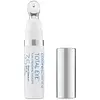
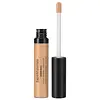
Colorescience Total Eye 3-in-1 Renewal Therapy SPF35 Versus bareMinerals Original Liquid Mineral Concealer

What's inside
What's inside
 Key Ingredients
Benefits
Concerns
Ingredients Side-by-side
Titanium Dioxide 7.9%
Cosmetic Colorant

Zinc Oxide 6.7%
Cosmetic Colorant
Water
Skin ConditioningHydrogenated Polyisobutene
EmollientCyclopentasiloxane
Emollient
Caprylic/Capric Triglyceride
Masking
Lauryl Polyglyceryl-3 Polydimethylsiloxyethyl Dimethicone
Skin Conditioning
Glycerin
Humectant


Panthenol
Skin Conditioning

Mica
Cosmetic Colorant
Dimethicone Crosspolymer
Emulsion Stabilising
Albizia Julibrissin Bark Extract
MaskingSea Water
HumectantSorbitol
Humectant
Jojoba Esters
Emollient
Sodium Hyaluronate
Humectant
Palmitoyl Tripeptide-5
Skin Conditioning

Tremella Fuciformis Sporocarp Extract
Antioxidant
Hydrolyzed Algin
Ascophyllum Nodosum Extract
Skin ConditioningBetaine
Humectant
Dunaliella Salina Extract
Skin ConditioningAsparagopsis Armata Extract
Skin ProtectingSucrose
Humectant
Darutoside
Skin ConditioningPantolactone
Humectant
Tocopherol
Antioxidant
Sodium Chloride
Masking


Dimethicone/Vinyl Dimethicone Crosspolymer
Skin Conditioning
Silica
Abrasive
Polyhydroxystearic Acid
Emulsifying
Glyceryl Behenate/Eicosadioate
Emollient
Dimethicone
Emollient
Lauroyl Lysine
Skin ConditioningDimethiconol
Emollient
Ethylhexylglycerin
Skin ConditioningTriethoxycaprylylsilane
Alumina
Abrasive
Phenoxyethanol
Preservative
Potassium Sorbate
Preservative
Sodium Benzoate
Masking
Citric Acid
Buffering



Iron Oxides
Titanium Dioxide 7.9%, Zinc Oxide 6.7%, Water, Hydrogenated Polyisobutene, Cyclopentasiloxane, Caprylic/Capric Triglyceride, Lauryl Polyglyceryl-3 Polydimethylsiloxyethyl Dimethicone, Glycerin, Panthenol, Mica, Dimethicone Crosspolymer, Albizia Julibrissin Bark Extract, Sea Water, Sorbitol, Jojoba Esters, Sodium Hyaluronate, Palmitoyl Tripeptide-5, Tremella Fuciformis Sporocarp Extract, Hydrolyzed Algin, Ascophyllum Nodosum Extract, Betaine, Dunaliella Salina Extract, Asparagopsis Armata Extract, Sucrose, Darutoside, Pantolactone, Tocopherol, Sodium Chloride, Dimethicone/Vinyl Dimethicone Crosspolymer, Silica, Polyhydroxystearic Acid, Glyceryl Behenate/Eicosadioate, Dimethicone, Lauroyl Lysine, Dimethiconol, Ethylhexylglycerin, Triethoxycaprylylsilane, Alumina, Phenoxyethanol, Potassium Sorbate, Sodium Benzoate, Citric Acid, Iron Oxides
Water
Skin ConditioningTetradecane
Perfuming
Glycerin
Humectant
Hydrogenated Polydecene
EmollientPolyglyceryl-3 Diisostearate
Emulsifying
Propanediol
Solvent
Decyl Isostearate
Emollient
Isostearyl Isostearate
Emollient
Lauroyl Lysine
Skin ConditioningSorbitan Sesquiisostearate
Emulsifying
Magnesium Stearate
Cosmetic ColorantDisteardimonium Hectorite
StabilisingIsostearic Acid
Cleansing
Nymphaea Alba Flower Extract
Skin ConditioningEthylhexylglycerin
Skin ConditioningMethyl Methacrylate Crosspolymer
Silica
Abrasive
Trisodium EDTA
Phenoxyethanol
Preservative
Mica
Cosmetic Colorant
CI 77891
Cosmetic ColorantIron Oxides
Water, Tetradecane, Glycerin, Hydrogenated Polydecene, Polyglyceryl-3 Diisostearate, Propanediol, Decyl Isostearate, Isostearyl Isostearate, Lauroyl Lysine, Sorbitan Sesquiisostearate, Magnesium Stearate, Disteardimonium Hectorite, Isostearic Acid, Nymphaea Alba Flower Extract, Ethylhexylglycerin, Methyl Methacrylate Crosspolymer, Silica, Trisodium EDTA, Phenoxyethanol, Mica, CI 77891, Iron Oxides
Ingredients Explained
These ingredients are found in both products.
Ingredients higher up in an ingredient list are typically present in a larger amount.
Ethylhexylglycerin (we can't pronounce this either) is commonly used as a preservative and skin softener. It is derived from glyceryl.
You might see Ethylhexylglycerin often paired with other preservatives such as phenoxyethanol. Ethylhexylglycerin has been found to increase the effectiveness of these other preservatives.
Glycerin is already naturally found in your skin. It helps moisturize and protect your skin.
A study from 2016 found glycerin to be more effective as a humectant than AHAs and hyaluronic acid.
As a humectant, it helps the skin stay hydrated by pulling moisture to your skin. The low molecular weight of glycerin allows it to pull moisture into the deeper layers of your skin.
Hydrated skin improves your skin barrier; Your skin barrier helps protect against irritants and bacteria.
Glycerin has also been found to have antimicrobial and antiviral properties. Due to these properties, glycerin is often used in wound and burn treatments.
In cosmetics, glycerin is usually derived from plants such as soybean or palm. However, it can also be sourced from animals, such as tallow or animal fat.
This ingredient is organic, colorless, odorless, and non-toxic.
Glycerin is the name for this ingredient in American English. British English uses Glycerol/Glycerine.
Learn more about GlycerinThis ingredient comes from a fatty acid (lauric acid) and amino acid (lysine). It is used to add a silky feel to cosmetics.
According to a manufacturer, its fatty acid base leaves a silky feeling on the skin. It also has emollient properties because of this. Emollients help soften skin by preventing water from evaporating.
Lauroyl lysine is barely soluble in water.
Learn more about Lauroyl LysineMica is a naturally occurring mineral used to add shimmer and color in cosmetics. It can also help improve the texture of a product or give it an opaque, white/silver color.
Serecite is the name for very fine but ragged grains of mica.
This ingredient is often coated with metal oxides like titanium dioxide. Trace amounts of heavy metals may be found in mica, but these metals are not harmful in our personal products.
Mica has been used since prehistoric times throughout the world. Ancient Egyptian, Indian, Greek, Roman, Aztec, and Chinese civilizations have used mica.
Learn more about MicaPhenoxyethanol is a preservative that has germicide, antimicrobial, and aromatic properties. Studies show that phenoxyethanol can prevent microbial growth. By itself, it has a scent that is similar to that of a rose.
It's often used in formulations along with Caprylyl Glycol to preserve the shelf life of products.
Silica, also known as silicon dioxide, is a naturally occurring mineral. It is used as a fine, spherical, and porous powder in cosmetics.
Though it has exfoliant properties, the function of silica varies depending on the product.
The unique structure of silica enhances the spreadability and adds smoothness, making it a great texture enhancer.
It is also used as an active carrier, emulsifier, and mattifier due to its ability to absorb excess oil.
In some products, tiny microneedles called spicules are made from silica or hydrolyzed sponge. When you rub them in, they lightly polish away dead skin layers and enhance the penetration of active ingredients.
Learn more about SilicaWater. It's the most common cosmetic ingredient of all. You'll usually see it at the top of ingredient lists, meaning that it makes up the largest part of the product.
So why is it so popular? Water most often acts as a solvent - this means that it helps dissolve other ingredients into the formulation.
You'll also recognize water as that liquid we all need to stay alive. If you see this, drink a glass of water. Stay hydrated!
Learn more about WaterThis ingredient is a combination of red, black, and yellow iron oxide pigments. This combination of colors is usually found in foundation, because it results in a "skin" color.

