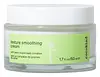
This barrier-repair moisturizer is formulated around Squalane and Butyrospermum Parkii Butter to strengthen the skin barrier and hydrate skin.
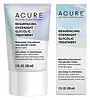
This smoothing overnight mask is formulated around Glycolic Acid and Lactic Acid to refine skin texture and brighten dull-looking skin.

What's inside
What's inside
 Key Ingredients
Benefits
Concerns
Ingredients Side-by-side
Water
Skin ConditioningCucumis Sativus Fruit Water
Skin ConditioningSqualane
Emollient


Caprylic/Capric Triglyceride
Masking
Helianthus Annuus Seed Oil
Emollient


Cetyl Alcohol
Emollient
Glyceryl Stearate
Emollient
Butyrospermum Parkii Butter
Skin Conditioning


Glyceryl Caprylate
EmollientXanthan Gum
EmulsifyingStearic Acid
Cleansing
Ethylhexylglycerin
Skin ConditioningArginine
Masking
Lecithin
Emollient
Pullulan
Glycerin
Humectant
Caprylhydroxamic Acid
ChelatingSorbitan Trioleate
Emulsifying
Sodium Phytate
ChelatingSclerotium Gum
Emulsion StabilisingTanacetum Vulgare Extract
Skin ConditioningPanax Ginseng Root Extract
Emollient

Camellia Japonica Seed Oil
Emollient
Mentha Piperita Extract
CleansingCucumis Sativus Fruit Extract
Emollient
Apium Graveolens Seed Extract
Antioxidant

Linum Usitatissimum Seed Extract
Perfuming
Water, Cucumis Sativus Fruit Water, Squalane, Caprylic/Capric Triglyceride, Helianthus Annuus Seed Oil, Cetyl Alcohol, Glyceryl Stearate, Butyrospermum Parkii Butter, Glyceryl Caprylate, Xanthan Gum, Stearic Acid, Ethylhexylglycerin, Arginine, Lecithin, Pullulan, Glycerin, Caprylhydroxamic Acid, Sorbitan Trioleate, Sodium Phytate, Sclerotium Gum, Tanacetum Vulgare Extract, Panax Ginseng Root Extract, Camellia Japonica Seed Oil, Mentha Piperita Extract, Cucumis Sativus Fruit Extract, Apium Graveolens Seed Extract, Linum Usitatissimum Seed Extract
Water
Skin ConditioningPersea Gratissima Oil
Skin Conditioning
Prunus Armeniaca Kernel Oil
Masking
Glyceryl Stearate Citrate
Emollient
Glycerin
Humectant
Cetyl Alcohol
Emollient
Glyceryl Stearate
Emollient
Prunus Amygdalus Dulcis Oil
Skin Conditioning
Glyceryl Laurate
Emollient
Simmondsia Chinensis Seed Oil
Emollient
Glyceryl Undecylenate
Emollient
Sodium Levulinate
Skin ConditioningXanthan Gum
EmulsifyingOlea Europaea Fruit Oil
Masking
Potassium Sorbate
Preservative
Citric Acid
Buffering

Sodium Phytate
ChelatingTocopherol
Antioxidant

Aletris Farinosa Root Extract
Antioxidant
Quartz
Abrasive
Cannabis Sativa Seed Oil
Emollient
Caprylic/Capric Triglyceride
Masking
Cetyl Palmitate
Emollient
Sorbitan Stearate
Emulsifying
Glycolic Acid
Buffering




Lactic Acid
Buffering
Euterpe Oleracea Fruit Extract
Rubus Fruticosus Fruit Extract
AstringentPunica Granatum Extract
AstringentRosa Canina Fruit Extract
Astringent
Calendula Officinalis Flower Extract
Masking
Chamomilla Recutita Flower Extract
Masking
Aspalathus Linearis Leaf Extract
Skin ConditioningWater, Persea Gratissima Oil, Prunus Armeniaca Kernel Oil, Glyceryl Stearate Citrate, Glycerin, Cetyl Alcohol, Glyceryl Stearate, Prunus Amygdalus Dulcis Oil, Glyceryl Laurate, Simmondsia Chinensis Seed Oil, Glyceryl Undecylenate, Sodium Levulinate, Xanthan Gum, Olea Europaea Fruit Oil, Potassium Sorbate, Citric Acid, Sodium Phytate, Tocopherol, Aletris Farinosa Root Extract, Quartz, Cannabis Sativa Seed Oil, Caprylic/Capric Triglyceride, Cetyl Palmitate, Sorbitan Stearate, Glycolic Acid, Lactic Acid, Euterpe Oleracea Fruit Extract, Rubus Fruticosus Fruit Extract, Punica Granatum Extract, Rosa Canina Fruit Extract, Calendula Officinalis Flower Extract, Chamomilla Recutita Flower Extract, Aspalathus Linearis Leaf Extract
Reviews
Ingredients Explained
These ingredients are found in both products.
Ingredients higher up in an ingredient list are typically present in a larger amount.
Caprylic/Capric Triglyceride (aka MCT Oil) is a lightweight emollient, solvent, and texture enhancer. It is considered a skin-softener by helping to prevent moisture loss.
Though it behaves like an oil, it is not technically one due to its chemical composition. One perk of this ingredient is that it is very stable, resistant to oxidation, and unlikely to go rancid.
In practice, that translates to a long shelf life and a consistently elegant skin feel.
While there is an assumption Caprylic Triglyceride can clog pores due to it being derived from coconut oil, there is no research supporting this. Just patch test if you have concerns.
Fractionated coconut oil and MCT Oil are both listed as Caprylic/Capric Triglyceride according to INCI. This is because INCI names are based on the ingredient’s final chemical composition and not its marketing name or source.
This ingredient is treated as the gold standard fungal acne safe oil. Even though it is coconut derived, the problematic lauric acid is stripped out.
This leaves just caprylic (C8) and capric (C10) acid. These chain lengths actually trend antifungal; a 2020 study found caprylic acid was enough to disrupt Malassezia furfur cell membrane, with a caprylic acid derivative damaging membrane structures at concentrations as low as 0.2%.
Learn more about Caprylic/Capric TriglycerideCetyl Alcohol is a fatty alcohol. Fatty Alcohols are most often used as an emollient or to thicken a product.
Its main roles are:
Though it has "alcohol" in the name, it is not related to denatured alcohol or ethyl alcohol.
The FDA allows products labeled "alcohol-free" to have fatty alcohols.
This ingredient may not be fungal acne safe. It is a primary fatty alcohol with a chain length above 12 carbons. A study from 2019 show Malassezia can feed on fatty alcohols in this range, so it may trigger fungal acne in those prone to it.
Learn more about Cetyl AlcoholGlycerin (or glycerol) is a compound naturally found in your skin. It's a powerhouse humectant that pulls water into the stratum corneum.
Topically, glycerin does several things at once:
Your skin makes glycerin on its own (mostly from sebaceous oil breakdown) and shuttles it to your outermost layer of skin, or your epidermis, via aquaporin-3.
Aquaporin-3 is a transporter that is essential for normal skin hydration, elasticity, and repair. Interestingly, mice lacking in AQP3 have dry and less elastic skin that can be fully corrected with glycerin.
This ingredient is non-irritating, plays well with almost every ingredient, and works across all skin types. Typical use is anywhere between 3-10% but can go up to 79% in some leave-on products.
Just know very high concentrations (>40%) can feel tacky in low humidity.
Glycerin is the name for this ingredient in American English. British English uses Glycerol/Glycerine.
Learn more about GlycerinGlyceryl Stearate is made by reacting glycerin with stearic acid (typically sourced from plant oils like palm or coconut). It's an emulsifier, emollient, and mild occlusive.
Emulsifiers help ingredients like oil and water stay mixed so your formula stays nicely blended and uniform in texture.
This ingredient is typically used in concentrations between 1-10%. Studies have found it to be non-sensitizing, non-phototoxic, and non-photoallergenic.
A close cousin of this ingredient is Glyceryl Stearate SE ("self-emulsifying"). This just has a small amount of sodium or potassium stearate added so it can emulsify without a co-emulsifier.
Since this ingredient is an ester of a C18 fatty acid, it may not be fungal acne safe. The Malassezia yeast can potentially metabolize within the C11-C24 range.
Fun fact: The human body also creates Glyceryl Stearate naturally.
Learn more about Glyceryl StearateSodium Phytate is the sodium salt of Phytic acid, a compound that plants store phosphorus in. It's the plant-derived alternative to ingredients like Disodium EDTA.
In skincare, this ingredient is a chelator that grabs onto trace metal ions like iron and copper that sneak into formulas through water/raw materials.
Those metals speed up oxidation so binding them keeps oils, fragrance, and actives from going off, stops color changes, and helps the preservative system work harder.
Survey data shows usage levels range from 0.0099%-0.5% in leave-on products, 0.025%-0.3% in rinse-off, and up to 0.05% in eye-area products. Suppliers typically recommend a range between 0.05-0.5%.
Learn more about Sodium PhytateWater. It's the most common cosmetic ingredient of all. You'll usually see it at the top of ingredient lists, meaning that it makes up the largest part of the product.
So why is it so popular? Water most often acts as a solvent - this means that it helps dissolve other ingredients into the formulation.
You'll also recognize water as that liquid we all need to stay alive. If you see this, drink a glass of water. Remember to stay hydrated!
Learn more about WaterXanthan gum is used as a stabilizer and thickener within cosmetic products. It helps give products a sticky, thick feeling - preventing them from being too runny.
On the technical side of things, xanthan gum is a polysaccharide - a combination consisting of multiple sugar molecules bonded together.
Xanthan gum is a pretty common and great ingredient. It is a natural, non-toxic, non-irritating ingredient that is also commonly used in food products.
Learn more about Xanthan Gum

