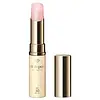
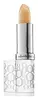
Clé de Peau Beauté Protective Lip Treatment SPF 30 Versus Elizabeth Arden Eight Hour Cream Lip Protectant Stick Sunscreen SPF 15
This barrier-repair lip moisturizer is formulated around Argania Spinosa Kernel Oil and Sodium Hyaluronate to strengthen the lip barrier and hydrate lips.
This lip moisturizer is formulated around Petrolatum and Ricinus Communis Seed Oil to hydrate lips.


What's inside
What's inside
 Key Ingredients
Benefits
Concerns
Ingredients Side-by-side
Triethylhexanoin
MaskingTriisostearin
Skin Conditioning

Hydrogenated Polyisobutene
EmollientPolysilicone-15
UV Filter

Polyethylene
Abrasive

Ethylhexyl Methoxycinnamate
UV Absorber

Butyl Methoxydibenzoylmethane
UV Absorber
Glycerin
Humectant


Microcrystalline Wax
Emulsion StabilisingSucrose Tetraisostearate
EmollientButylene Glycol
Humectant
Water
Skin ConditioningPolyglyceryl-2 Diisostearate
Emulsifying
Argania Spinosa Kernel Oil
Emollient



Sodium Hyaluronate
Humectant


Thymus Serpyllum Extract
Skin ConditioningSodium Acetylated Hyaluronate
Humectant
Potentilla Erecta Root Extract
Skin ConditioningTrehalose
Humectant
PEG/PPG-14/7 Dimethyl Ether
Skin ConditioningStearyl Glycyrrhetinate
Skin ConditioningGlycine
Buffering
Aminoethanesulfinic Acid
Antioxidant
Tocopheryl Acetate
Antioxidant

Flower Extract
Mentha Piperita Leaf Extract
Skin ConditioningAngelica Archangelica Root Extract
Masking
Hydrolyzed Silk
Humectant
Hydrolyzed Conchiolin Protein
Skin ConditioningSilica Dimethyl Silylate
EmollientTocopherol
Antioxidant
Simethicone
Emollient
BHT
Antioxidant
Trimethylolpropane Triethylhexanoate
EmollientMethicone
Emollient
Tetradecene
EmollientSilica
Abrasive
Theanine
EmollientTin Oxide
Abrasive
Parfum
Masking
Iron Oxides
Titanium Dioxide
Cosmetic Colorant
Mica
Cosmetic ColorantTriethylhexanoin, Triisostearin, Hydrogenated Polyisobutene, Polysilicone-15, Polyethylene, Ethylhexyl Methoxycinnamate, Butyl Methoxydibenzoylmethane, Glycerin, Microcrystalline Wax, Sucrose Tetraisostearate, Butylene Glycol, Water, Polyglyceryl-2 Diisostearate, Argania Spinosa Kernel Oil, Sodium Hyaluronate, Thymus Serpyllum Extract, Sodium Acetylated Hyaluronate, Potentilla Erecta Root Extract, Trehalose, PEG/PPG-14/7 Dimethyl Ether, Stearyl Glycyrrhetinate, Glycine, Aminoethanesulfinic Acid, Tocopheryl Acetate, Flower Extract, Mentha Piperita Leaf Extract, Angelica Archangelica Root Extract, Hydrolyzed Silk, Hydrolyzed Conchiolin Protein, Silica Dimethyl Silylate, Tocopherol, Simethicone, BHT, Trimethylolpropane Triethylhexanoate, Methicone, Tetradecene, Silica, Theanine, Tin Oxide, Parfum, Iron Oxides, Titanium Dioxide, Mica
Petrolatum
Emollient
Ricinus Communis Seed Oil
Masking
Ozokerite
Emulsion StabilisingGlyceryl Rosinate
Perfuming
Ethylhexyl Dimethyl Paba
UV Absorber
Cetyl Lactate
EmollientLanolin Oil
Emollient
Myristyl Lactate
Emollient
Benzophenone-3
UV Absorber
Cetyl Acetate
Emollient
Euphorbia Cerifera Wax
Copernicia Cerifera Wax
Myristyl Alcohol
Emollient
Acetylated Lanolin Alcohol
Emollient
Beeswax
Emulsion Stabilising
Caprylyl Glycol
Emollient
Methylstyrene/Vinyltoluene Copolymer
Microcrystalline Wax
Emulsion StabilisingParfum
Masking
Tocopherol
Antioxidant
Vegetable Oil
Skin Conditioning
Zea Mays Oil
Emulsifying
BHT
Antioxidant
Citral
Perfuming
Citronellol
Perfuming
Geraniol
Perfuming
Limonene
Perfuming
Linalool
Perfuming
Phenoxyethanol
Preservative
Iron Oxides
CI 77891
Cosmetic ColorantPetrolatum, Ricinus Communis Seed Oil, Ozokerite, Glyceryl Rosinate, Ethylhexyl Dimethyl Paba, Cetyl Lactate, Lanolin Oil, Myristyl Lactate, Benzophenone-3, Cetyl Acetate, Euphorbia Cerifera Wax, Copernicia Cerifera Wax, Myristyl Alcohol, Acetylated Lanolin Alcohol, Beeswax, Caprylyl Glycol, Methylstyrene/Vinyltoluene Copolymer, Microcrystalline Wax, Parfum, Tocopherol, Vegetable Oil, Zea Mays Oil, BHT, Citral, Citronellol, Geraniol, Limonene, Linalool, Phenoxyethanol, Iron Oxides, CI 77891
Reviews
Ingredients Explained
These ingredients are found in both products.
Ingredients higher up in an ingredient list are typically present in a larger amount.
BHT is a synthetic antioxidant and preservative.
As an antioxidant, it helps your body fight off free-radicals. Free-radicals are molecules that may damage your skin cells.
As a preservative, it is used to stabilize products and prevent them from degrading. Specifically, BHT prevents degradation from oxidation.
The concerns related to BHT come from oral studies; this ingredient is currently allowed for use by both the FDA and EU.
However, it was recently restricted for use in the UK as of April 2024.
Learn more about BHTMicrocrystalline Wax is derived from petroleum through a de-oiling process, then highly refined and purified before use in cosmetics.
In skincare formulations, it is used to improve texture and create a smooth, even consistency. It also helps stabilize products by preventing ingredients from separating.
Parfum is a catch-all term for an ingredient or more that is used to give a scent to products.
Also called "fragrance", this ingredient can be a blend of hundreds of chemicals or plant oils. This means every product with "fragrance" or "parfum" in the ingredients list is a different mixture.
For instance, Habanolide is a proprietary trade name for a specific aroma chemical. When used as a fragrance ingredient in cosmetics, most aroma chemicals fall under the broad labeling category of “FRAGRANCE” or “PARFUM” according to EU and US regulations.
The term 'parfum' or 'fragrance' is not regulated in many countries. In many cases, it is up to the brand to define this term.
For instance, many brands choose to label themselves as "fragrance-free" because they are not using synthetic fragrances. However, their products may still contain ingredients such as essential oils that are considered a fragrance by INCI standards.
One example is Calendula flower extract. Calendula is an essential oil that still imparts a scent or 'fragrance'.
Depending on the blend, the ingredients in the mixture can cause allergies and sensitivities on the skin. Some ingredients that are known EU allergens include linalool and citronellol.
Parfum can also be used to mask or cover an unpleasant scent.
The bottom line is: not all fragrances/parfum/ingredients are created equally. If you are worried about fragrances, we recommend taking a closer look at an ingredient. And of course, we always recommend speaking with a professional.
Learn more about ParfumTocopherol is a fat-soluble antioxidant known as Vitamin E.
You'll find this ingredient in the vast majority of skincare (for good reason). It works to neutralize free radicals, or unstable molecules generated by UV exposure, pollution, and other environmental stressors, before they can cause oxidative damage to your skin cells.
Topically applied tocopherol has been shown to protect against UV damage by ramping up the skin's own natural defense enzymes.
It also acts as a skin conditioning agent; some studies show that regular topical use can improve the skin's water-binding capacity over 2-4 weeks.
This ingredient is especially loved for being a team player. When combined with Vitamin C, the photoprotective effect of both ingredients roughly doubles and the combo also helps reduce UV-induced DNA damage.
This ingredient has some brightening potential but it's more of a prevention ingredient than spot-fader. Cell studies show it can slow down melanin production but it's worth noting that it's not the most powerful brightener out there.
In formulations, it also serves as a stabilizer that helps protect other oxidation-prone ingredients from degrading.
Concentrations usually range from 0.1-1% in most leave-on products.
Learn more about TocopherolThis ingredient is a combination of red, black, and yellow iron oxide pigments. This combination of colors is usually found in foundation, because it results in a "skin" color.
The EU typically uses CI numbers for colorants when applicable, such as CI 77489. In the US, iron oxides are regulated as color additives and "iron oxides" is the most commonly used name in US cosmetic practice.
A 2021 paper looked at skincare formulations containing iron oxides and found that they reduced transmission of blue light when measured optically. In simple terms, the pigment particles helped block or scatter part of the visible light spectrum in lab testing and the authors suggest this could translate into better protection against blue-light-related skin effects.
There is also clinical and experimental research showing that tinted products containing iron oxides can reduce visible light-induced pigmentation:
Please note, whether a product reduces visible or blue light depends on things like:
In the EU's CosIng database, iron oxides are only listed as a colorant. CosIng groups ingredients by their main cosmetic role, such as colorant, preservative, or UV filter.
Though studies say iron oxides can "attenuate blue light", they're describing an optical property and not an officially recognized cosmetic function.
So CosIng isn’t contradicting the research. It’s just classifying iron oxides by what they officially are: pigments that add color.
Learn more about Iron Oxides

