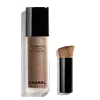
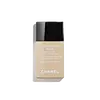
Chanel Les Beiges Water-Fresh Tint Versus Chanel Vitalumière Aqua Ultra-Light Skin Perfecting Sunscreen Makeup SPF 15

What's inside
What's inside
 Key Ingredients
Benefits
Concerns
Ingredients Side-by-side
Water
Skin ConditioningHydrogenated Polydecene
EmollientGlycerin
Humectant


Methyl Gluceth-20
Humectant
PEG-75
HumectantPentylene Glycol
Skin Conditioning
Octyldodecanol
Emollient
Citrus Aurantium Amara Flower Extract
RefreshingPhenoxyethanol
Preservative
Butylene Glycol
Humectant
Polyhydroxystearic Acid
Emulsifying

Sodium Carbomer
Emulsion StabilisingDisteardimonium Hectorite
StabilisingTamarindus Indica Seed Gum
Emulsion Stabilising
Aluminum Hydroxide
EmollientPropylene Carbonate
SolventAmodimethicone

Disodium EDTA
Sodium Lauroyl Glutamate
SurfactantAlcaligenes Polysaccharides
EmollientParfum
Masking



Lysine
Skin ConditioningMagnesium Chloride
Ethylhexylglycerin
Skin ConditioningBHT
Antioxidant
CI 77007
Cosmetic ColorantCI 77491
Cosmetic ColorantCI 77492
Cosmetic ColorantCI 77499
Cosmetic ColorantCI 77891
Cosmetic ColorantMica
Cosmetic ColorantWater, Hydrogenated Polydecene, Glycerin, Methyl Gluceth-20, PEG-75, Pentylene Glycol, Octyldodecanol, Citrus Aurantium Amara Flower Extract, Phenoxyethanol, Butylene Glycol, Polyhydroxystearic Acid, Sodium Carbomer, Disteardimonium Hectorite, Tamarindus Indica Seed Gum, Aluminum Hydroxide, Propylene Carbonate, Amodimethicone, Disodium EDTA, Sodium Lauroyl Glutamate, Alcaligenes Polysaccharides, Parfum, Lysine, Magnesium Chloride, Ethylhexylglycerin, BHT, CI 77007, CI 77491, CI 77492, CI 77499, CI 77891, Mica
Titanium Dioxide 6.4%
Cosmetic Colorant

Water
Skin ConditioningMethyl Trimethicone
Skin Conditioning
Dimethicone
Emollient
Alcohol
Antimicrobial

Silica
Abrasive


Triethylhexanoin
MaskingButylene Glycol
Humectant
Synthetic Fluorphlogopite
Isododecane
EmollientRicinus Communis Seed Oil
Masking
Acrylates/Polytrimethylsiloxymethacrylate Copolymer
Skin ConditioningTalc
Abrasive
Dimethicone/PEG-10/15 Crosspolymer
Nelumbo Nucifera Root Water
TonicPEG-10 Dimethicone
Skin Conditioning
Stearic Acid
Cleansing
Alumina
Abrasive
Potassium Sorbate
Preservative
Parfum
Masking
Magnesium Sulfate
Caprylyl Glycol
Emollient
Lauroyl Lysine
Skin Conditioning
Triethoxycaprylylsilane
Sodium Hyaluronate
Humectant


Aluminum Hydroxide
EmollientDipropylene Glycol
HumectantTocopheryl Acetate
Antioxidant

Pentylene Glycol
Skin Conditioning
Laminaria Digitata Extract
Skin Protecting
Tocopherol
Antioxidant
Ultramarines
Iron Oxides
Mica
Cosmetic ColorantTitanium Dioxide 6.4%, Water, Methyl Trimethicone, Dimethicone, Alcohol, Silica, Triethylhexanoin, Butylene Glycol, Synthetic Fluorphlogopite, Isododecane, Ricinus Communis Seed Oil, Acrylates/Polytrimethylsiloxymethacrylate Copolymer, Talc, Dimethicone/PEG-10/15 Crosspolymer, Nelumbo Nucifera Root Water, PEG-10 Dimethicone, Stearic Acid, Alumina, Potassium Sorbate, Parfum, Magnesium Sulfate, Caprylyl Glycol, Lauroyl Lysine, Triethoxycaprylylsilane, Sodium Hyaluronate, Aluminum Hydroxide, Dipropylene Glycol, Tocopheryl Acetate, Pentylene Glycol, Laminaria Digitata Extract, Tocopherol, Ultramarines, Iron Oxides, Mica
Reviews
Ingredients Explained
These ingredients are found in both products.
Ingredients higher up in an ingredient list are typically present in a larger amount.
Aluminum Hydroxide is a form of aluminum. It can be naturally found in nature as the mineral gibbsite. In cosmetics, Aluminum Hydroxide is used as a colorant, pH adjuster, and absorbent.
As a colorant, Aluminum Hydroxide may add opacity, or reduce the transparency. Aluminum hydroxide is contains both basic and acidic properties.
According to manufacturers, this ingredient is an emollient and humectant. This means it helps hydrate the skin.
In medicine, this ingredient is used to help relieve heartburn and help heal ulcers.
There is currently no credible scientific evidence linking aluminum hydroxide in cosmetics to increased cancer risk.
Major health organizations allow the use of aluminum hydroxide in personal care products and have not flagged it as a carcinogenic risk at typical usage levels.
Learn more about Aluminum HydroxideButylene Glycol (or BG) is used within cosmetic products for a few different reasons:
Overall, Butylene Glycol is a safe and well-rounded ingredient that works well with other ingredients.
Though this ingredient works well with most skin types, some people with sensitive skin may experience a reaction such as allergic rashes, closed comedones, or itchiness.
Learn more about Butylene GlycolMica is a naturally occurring mineral used to add shimmer and color in cosmetics. It can also help improve the texture of a product or give it an opaque, white/silver color.
Serecite is the name for very fine but ragged grains of mica.
This ingredient is often coated with metal oxides like titanium dioxide. Trace amounts of heavy metals may be found in mica, but these metals are not harmful in our personal products.
Mica has been used since prehistoric times throughout the world. Ancient Egyptian, Indian, Greek, Roman, Aztec, and Chinese civilizations have used mica.
Learn more about MicaParfum is a catch-all term for an ingredient or more that is used to give a scent to products.
Also called "fragrance", this ingredient can be a blend of hundreds of chemicals or plant oils. This means every product with "fragrance" or "parfum" in the ingredients list is a different mixture.
For instance, Habanolide is a proprietary trade name for a specific aroma chemical. When used as a fragrance ingredient in cosmetics, most aroma chemicals fall under the broad labeling category of “FRAGRANCE” or “PARFUM” according to EU and US regulations.
The term 'parfum' or 'fragrance' is not regulated in many countries. In many cases, it is up to the brand to define this term.
For instance, many brands choose to label themselves as "fragrance-free" because they are not using synthetic fragrances. However, their products may still contain ingredients such as essential oils that are considered a fragrance by INCI standards.
One example is Calendula flower extract. Calendula is an essential oil that still imparts a scent or 'fragrance'.
Depending on the blend, the ingredients in the mixture can cause allergies and sensitivities on the skin. Some ingredients that are known EU allergens include linalool and citronellol.
Parfum can also be used to mask or cover an unpleasant scent.
The bottom line is: not all fragrances/parfum/ingredients are created equally. If you are worried about fragrances, we recommend taking a closer look at an ingredient. And of course, we always recommend speaking with a professional.
Learn more about ParfumPentylene Glycol (1,2-pentanediol) is a multitasking little diol with three main roles in a formula:
Research on alkanediols (the family pentylene glycol belongs to) show they work by disrupting microbial cell membranes. This disruption helps the primary preservative system in a product work more effectively at lower doses.
On the safety side, the Cosmetic Ingredient Review Expert Panel has concluded this ingredient to be safe as used in current cosmetic practices + concentrations.
Typical use levels in a formula run about 1-5%.
Learn more about Pentylene GlycolWater. It's the most common cosmetic ingredient of all. You'll usually see it at the top of ingredient lists, meaning that it makes up the largest part of the product.
So why is it so popular? Water most often acts as a solvent - this means that it helps dissolve other ingredients into the formulation.
You'll also recognize water as that liquid we all need to stay alive. If you see this, drink a glass of water. Remember to stay hydrated!
Learn more about Water

