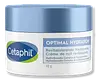
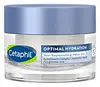
Cetaphil Optimal Hydration Revitalizing Night Cream Versus Cetaphil Optimal Hydration Skin Replenishing Water Gel
This barrier-repair night moisturizer is formulated around Caprylic/Capric Triglyceride and Hydrolyzed Hyaluronic Acid to strengthen the skin barrier and hydrate skin.
This barrier-repair moisturizer is formulated around Panthenol and Niacinamide to strengthen the skin barrier and hydrate skin.

What's inside
What's inside
 Key Ingredients
Benefits
Concerns
No concerns
Ingredients Side-by-side
Water
Skin ConditioningCaprylic/Capric Triglyceride
Masking


Glycerin
Humectant
Pentylene Glycol
Skin Conditioning
Dimethicone
Emollient
Cetearyl Olivate


Octyldodecanol
Emollient
Simmondsia Chinensis Seed Oil
Emollient
Dicaprylyl Carbonate
EmollientSorbitan Olivate
Emulsifying
Acrylates/C10-30 Alkyl Acrylate Crosspolymer
Emulsion StabilisingAnhydroxylitol
Humectant
Bambusa Vulgaris Shoot Extract
Antioxidant
Butylene Glycol
Humectant
Cetearyl Alcohol
Emollient


Globularia Alypum Leaf Extract
Skin ConditioningGlyceryl Stearate
Emollient
Hydrogenated Starch Hydrolysate
HumectantHydrolyzed Hyaluronic Acid
Humectant

Nelumbo Nucifera Flower Extract
Skin ConditioningNymphaea Alba Root Extract
Skin ConditioningPanthenol
Skin Conditioning

Propylene Glycol
Humectant
Sodium Benzoate
Masking
Sodium Polyacrylate
Absorbent
Tocopherol
Antioxidant


Xylitol
Humectant
Xylitylglucoside
Humectant
Water, Caprylic/Capric Triglyceride, Glycerin, Pentylene Glycol, Dimethicone, Cetearyl Olivate, Octyldodecanol, Simmondsia Chinensis Seed Oil, Dicaprylyl Carbonate, Sorbitan Olivate, Acrylates/C10-30 Alkyl Acrylate Crosspolymer, Anhydroxylitol, Bambusa Vulgaris Shoot Extract, Butylene Glycol, Cetearyl Alcohol, Globularia Alypum Leaf Extract, Glyceryl Stearate, Hydrogenated Starch Hydrolysate, Hydrolyzed Hyaluronic Acid, Nelumbo Nucifera Flower Extract, Nymphaea Alba Root Extract, Panthenol, Propylene Glycol, Sodium Benzoate, Sodium Polyacrylate, Tocopherol, Xylitol, Xylitylglucoside
Water
Skin ConditioningGlycerin
Humectant
Dimethicone
Emollient
Propanediol
Solvent
Panthenol
Skin Conditioning
Niacinamide
Smoothing




Octyldodecanol
Emollient
Sodium Polyacryloyldimethyl Taurate
Emulsion StabilisingHydrolyzed Hyaluronic Acid
Humectant
Sodium Hyaluronate
Humectant
Polyglutamic Acid
Skin Conditioning
Allantoin
Skin Conditioning
Xylitylglucoside
Humectant
Anhydroxylitol
Humectant
Distarch Phosphate
AbsorbentHydroxyacetophenone
Antioxidant
Acrylates/C10-30 Alkyl Acrylate Crosspolymer
Emulsion StabilisingCaprylyl Glycol
Emollient
1,2-Hexanediol
Skin Conditioning
Trehalose
Humectant
Urea
Buffering
Xylitol
Humectant
Xanthan Gum
EmulsifyingPentylene Glycol
Skin Conditioning
Serine
Masking
Sodium Hydroxide
BufferingPantolactone
Humectant
Algin
MaskingDisodium Phosphate
BufferingGlyceryl Polyacrylate
Pullulan
Globularia Alypum Leaf Extract
Skin ConditioningCitric Acid
Buffering
Potassium Phosphate
BufferingWater, Glycerin, Dimethicone, Propanediol, Panthenol, Niacinamide, Octyldodecanol, Sodium Polyacryloyldimethyl Taurate, Hydrolyzed Hyaluronic Acid, Sodium Hyaluronate, Polyglutamic Acid, Allantoin, Xylitylglucoside, Anhydroxylitol, Distarch Phosphate, Hydroxyacetophenone, Acrylates/C10-30 Alkyl Acrylate Crosspolymer, Caprylyl Glycol, 1,2-Hexanediol, Trehalose, Urea, Xylitol, Xanthan Gum, Pentylene Glycol, Serine, Sodium Hydroxide, Pantolactone, Algin, Disodium Phosphate, Glyceryl Polyacrylate, Pullulan, Globularia Alypum Leaf Extract, Citric Acid, Potassium Phosphate
Reviews
Ingredients Explained
These ingredients are found in both products.
Ingredients higher up in an ingredient list are typically present in a larger amount.
Acrylates/C10-30 Alkyl Acrylate Crosspolymer is a synthetic polymer. It is used to thicken, emulsify, and improve the texture of products.
As an emulsifier, it helps stabilize oil-in-water emulsions to give products an elegant feel when applied.
It can also form a thin protective film on skin. One study found that a formula using this polymer helped slow down how quickly other ingredients (like DEET) were absorbed through skin.
A 2024 study of over 1,300 patients confirmed that sensitization to this ingredient is rare. It is also non-mutagenic and has a clean track record.
Learn more about Acrylates/C10-30 Alkyl Acrylate CrosspolymerThis ingredient is created from dehydrating xylitol in acidic conditions. Xylitol is a famous sugar and humectant.
Much like its predecessor, anhydroxylitol is a humectant. Humectants attract and hold water to moisturize the skin.
This ingredient is most commonly found in a popular trio called Aquaxyl. Aquaxyl is made up of anhydroxylitol (24 - 34%), xylitylglucoside (35 - 50%), and xylitol (5 - 15%).
According to a manufacturer, Aquaxyl is known for a 3-D hydration concept and an anti-dehydration shield to reinforce the outer layer of skin.
This ingredient is often derived from plants such as wood and sugarcane.
Learn more about AnhydroxylitolDimethicone is a type of synthetic silicone created from natural materials such as quartz. It is also known as polydimethylsiloxane.
What it does:
Dimethicone comes in different viscosities:
Depending on the viscosity, dimethicone has different properties.
Ingredients lists don't always show which type is used, so we recommend reaching out to the brand if you have questions about the viscosity.
This ingredient is unlikely to cause irritation because it does not get absorbed into skin. However, people with silicone allergies should be careful about using this ingredient.
Note: Dimethicone may contribute to pilling. This is because it is not oil or water soluble, so pilling may occur when layered with products. When mixed with heavy oils in a formula, the outcome is also quite greasy.
Learn more about DimethiconeWe don't have a description for Globularia Alypum Leaf Extract yet.
Glycerin (or glycerol) is a compound naturally found in your skin. It's a powerhouse humectant that pulls water into the stratum corneum.
Topically, glycerin does several things at once:
Your skin makes glycerin on its own (mostly from sebaceous oil breakdown) and shuttles it to your outermost layer of skin, or your epidermis, via aquaporin-3.
Aquaporin-3 is a transporter that is essential for normal skin hydration, elasticity, and repair. Interestingly, mice lacking in AQP3 have dry and less elastic skin that can be fully corrected with glycerin.
This ingredient is non-irritating, plays well with almost every ingredient, and works across all skin types. Typical use is anywhere between 3-10% but can go up to 79% in some leave-on products.
Just know very high concentrations (>40%) can feel tacky in low humidity.
Glycerin is the name for this ingredient in American English. British English uses Glycerol/Glycerine.
Learn more about GlycerinHydrolyzed Hyaluronic Acid is hyaluronic acid (HA) that is broken down into lower molecular weight fragments.
It's a humectant that pulls and holds water in the skin to help with hydration, plumpness, and reduce transepidermal water loss.
Because hydrolyzed hyaluronic acid is smaller in size, it can slip past your outermost layer of skin more easily than full-sized HA.
Most formulations will combine all sizes to get the best of both worlds.
Typical usage levels range from 0.01-1%. Any percentage higher than 2% might become goopy and tacky.
Learn more about Hydrolyzed Hyaluronic AcidOctyldodecanol is a fatty alcohol sourced from plant oils like coconut or palm (or made synthetically).
It is:
You'll likely see this in many BHA products because this is the go-to solvent for salicylic acid.
This ingredient is typically used at levels between 2-20%.
Regarding fungal acne:
In 2019, this ingredient was tested against multiple Malassezia species (the yeast that causes fungal acne) and showed no growth.
Panthenol is a common ingredient that helps hydrate and soothe the skin. It is found naturally in our skin and hair.
There are two forms of panthenol: D and L.
D-panthenol is also known as dexpanthenol. Most cosmetics use dexpanthenol or a mixture of D and L-panthenol.
Panthenol is famous due to its ability to go deeper into the skin's layers. Using this ingredient has numerous pros (and no cons):
Like hyaluronic acid, panthenol is a humectant. Humectants are able to bind and hold large amounts of water to keep skin hydrated.
This ingredient works well for wound healing. It works by increasing tissue in the wound and helps close open wounds.
Once oxidized, panthenol converts to pantothenic acid. Panthothenic acid is found in all living cells.
This ingredient is also referred to as pro-vitamin B5.
Learn more about PanthenolPentylene Glycol (1,2-pentanediol) is a multitasking little diol with three main roles in a formula:
Research on alkanediols (the family pentylene glycol belongs to) show they work by disrupting microbial cell membranes. This disruption helps the primary preservative system in a product work more effectively at lower doses.
On the safety side, the Cosmetic Ingredient Review Expert Panel has concluded this ingredient to be safe as used in current cosmetic practices + concentrations.
Typical use levels in a formula run about 1-5%.
Learn more about Pentylene GlycolWater. It's the most common cosmetic ingredient of all. You'll usually see it at the top of ingredient lists, meaning that it makes up the largest part of the product.
So why is it so popular? Water most often acts as a solvent - this means that it helps dissolve other ingredients into the formulation.
You'll also recognize water as that liquid we all need to stay alive. If you see this, drink a glass of water. Remember to stay hydrated!
Learn more about WaterXylitol is a humectant and prebiotic. It can help with dry skin.
In studies, xylitol has been shown to improve dry skin. It decreased transepidermal water loss, or when water passes through the skin and evaporates. Xylitol also showed to help improve the biomechanical properties of the skin barrier.
The prebiotic property of xylitol may also help reinforce our skin's natural microbiome. Having a healthy microbiome prevents infection by bad bacteria and helps with hydration.
As a humectant, Xylitol helps draw moisture from both the air and from deeper skin layers. This helps keep skin hydrated.
Xylitol is a sugar alcohol and commonly used as a sugar substitute. It is naturally occurring in plants such as strawberries and pumpkin.
Learn more about XylitolXylitylglucoside is created from xylitol and glucose, two humectants.
Not surprisingly, this ingredient is also a humectant. It attracts and holds water in your skin, helping to maintain hydration.
This ingredient is most commonly found in a popular trio called Aquaxyl. Aquaxyl is made up of anhydroxylitol(24 - 34%), xylitylglucoside (35 - 50%), and xylitol (5 - 15%).
According to a manufacturer, Aquaxyl is known for a 3-D hydration concept and an anti-dehydration shield to reinforce the outer layer of skin.
Learn more about Xylitylglucoside

