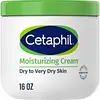
This barrier-repair moisturizer is formulated around Petrolatum and Panthenol to strengthen the skin barrier and hydrate skin.
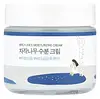
This barrier-repair moisturizer is formulated around Betula Platyphylla Japonica Juice and Panthenol to strengthen the skin barrier and hydrate skin.


What's inside
What's inside
 Key Ingredients
Benefits
Concerns
Ingredients Side-by-side
Water
Skin ConditioningGlycerin
Humectant


Petrolatum
Emollient


Dicaprylyl Ether
Emollient
Dimethicone
Emollient
Glyceryl Stearate
Emollient

Cetyl Alcohol
Emollient

Helianthus Annuus Seed Oil
Emollient
PEG-30 Stearate
Emulsifying
Panthenol
Skin Conditioning

Niacinamide
Smoothing







Prunus Amygdalus Dulcis Oil
Skin Conditioning

Tocopheryl Acetate
Antioxidant

Pantolactone
Humectant
Dimethiconol
Emollient
Acrylates/C10-30 Alkyl Acrylate Crosspolymer
Emulsion StabilisingCarbomer
Emulsion StabilisingPropylene Glycol
Humectant
Disodium EDTA
Benzyl Alcohol
Perfuming




Phenoxyethanol
Preservative
Sodium Hydroxide
BufferingCitric Acid
Buffering
Water, Glycerin, Petrolatum, Dicaprylyl Ether, Dimethicone, Glyceryl Stearate, Cetyl Alcohol, Helianthus Annuus Seed Oil, PEG-30 Stearate, Panthenol, Niacinamide, Prunus Amygdalus Dulcis Oil, Tocopheryl Acetate, Pantolactone, Dimethiconol, Acrylates/C10-30 Alkyl Acrylate Crosspolymer, Carbomer, Propylene Glycol, Disodium EDTA, Benzyl Alcohol, Phenoxyethanol, Sodium Hydroxide, Citric Acid
Water
Skin ConditioningGlycerin
Humectant
Isononyl Isononanoate
EmollientIsododecane
Emollient1,2-Hexanediol
Skin Conditioning
Pentylene Glycol
Skin Conditioning
Polydecene
Skin ConditioningBetula Platyphylla Japonica Juice
Skin Conditioning
Jojoba Esters
Emollient
Panthenol
Skin Conditioning
Glyceryl Glucoside
Humectant
Acacia Senegal Gum
MaskingHydrolyzed Hibiscus Esculentus Extract
Skin ConditioningSodium Hyaluronate
Humectant
Hyaluronic Acid
Humectant
Lupinus Albus Seed Extract
Skin ConditioningMoringa Oleifera Seed Extract
Skin Conditioning
Melia Azadirachta Leaf Extract
Skin ConditioningCoccinia Indica Fruit Extract
Skin Conditioning
Aloe Barbadensis Flower Extract
EmollientSolanum Melongena Fruit Extract
Skin ConditioningOcimum Sanctum Leaf Extract
Skin ConditioningCorallina Officinalis Extract
Skin Conditioning
Curcuma Longa Root Extract
Antioxidant
Ascorbic Acid
Antioxidant
Pentaerythrityl Tetraethylhexanoate
Emollient
Ammonium Acryloyldimethyltaurate/Vp Copolymer
Polyglyceryl-3 Methylglucose Distearate
Emulsifying
Acrylates/C10-30 Alkyl Acrylate Crosspolymer
Emulsion StabilisingTromethamine
BufferingGlyceryl Acrylate/Acrylic Acid Copolymer
HumectantEthylhexylglycerin
Skin ConditioningAgar
MaskingDipotassium Glycyrrhizate
Humectant
Glyceryl Caprylate
EmollientButylene Glycol
Humectant
Disodium EDTA
Water, Glycerin, Isononyl Isononanoate, Isododecane, 1,2-Hexanediol, Pentylene Glycol, Polydecene, Betula Platyphylla Japonica Juice, Jojoba Esters, Panthenol, Glyceryl Glucoside, Acacia Senegal Gum, Hydrolyzed Hibiscus Esculentus Extract, Sodium Hyaluronate, Hyaluronic Acid, Lupinus Albus Seed Extract, Moringa Oleifera Seed Extract, Melia Azadirachta Leaf Extract, Coccinia Indica Fruit Extract, Aloe Barbadensis Flower Extract, Solanum Melongena Fruit Extract, Ocimum Sanctum Leaf Extract, Corallina Officinalis Extract, Curcuma Longa Root Extract, Ascorbic Acid, Pentaerythrityl Tetraethylhexanoate, Ammonium Acryloyldimethyltaurate/Vp Copolymer, Polyglyceryl-3 Methylglucose Distearate, Acrylates/C10-30 Alkyl Acrylate Crosspolymer, Tromethamine, Glyceryl Acrylate/Acrylic Acid Copolymer, Ethylhexylglycerin, Agar, Dipotassium Glycyrrhizate, Glyceryl Caprylate, Butylene Glycol, Disodium EDTA
Reviews
Ingredients Explained
These ingredients are found in both products.
Ingredients higher up in an ingredient list are typically present in a larger amount.
Acrylates/C10-30 Alkyl Acrylate Crosspolymer is a synthetic polymer. It is used to thicken, emulsify, and improve the texture of products.
As an emulsifier, it helps stabilize oil-in-water emulsions to give products an elegant feel when applied.
It can also form a thin protective film on skin. One study found that a formula using this polymer helped slow down how quickly other ingredients (like DEET) were absorbed through skin.
A 2024 study of over 1,300 patients confirmed that sensitization to this ingredient is rare. It is also non-mutagenic and has a clean track record.
Learn more about Acrylates/C10-30 Alkyl Acrylate CrosspolymerDisodium EDTA is a chelating agent. It grabs onto and deactivates metal ions that sneak into your products from water, packaging, or air.
This ingredient mainly works behind the scenes and helps with:
On top of that, this ingredient can counteract the effects of hard water by binding to the minerals in it.
One thing worth knowing is that Disodium EDTA has been shown to be a mild penetration enhancer. It can help other ingredients absorb into skin more effectively which can be a double-edged sword (great for actives, but can also make the active too strong if you have sensitive skin).
Clinical patch testing showed no significant skin irritation at typical use concentrations and minimal dermal absorption.
You'll most likely see this ingredient near the end of an ingredient list. It's typically found in concentrations less than 1%.
Learn more about Disodium EDTAGlycerin (or glycerol) is a compound naturally found in your skin. It's a powerhouse humectant that pulls water into the stratum corneum.
Topically, glycerin does several things at once:
Your skin makes glycerin on its own (mostly from sebaceous oil breakdown) and shuttles it to your outermost layer of skin, or your epidermis, via aquaporin-3.
Aquaporin-3 is a transporter that is essential for normal skin hydration, elasticity, and repair. Interestingly, mice lacking in AQP3 have dry and less elastic skin that can be fully corrected with glycerin.
This ingredient is non-irritating, plays well with almost every ingredient, and works across all skin types. Typical use is anywhere between 3-10% but can go up to 79% in some leave-on products.
Just know very high concentrations (>40%) can feel tacky in low humidity.
Glycerin is the name for this ingredient in American English. British English uses Glycerol/Glycerine.
Learn more about GlycerinPanthenol is a common ingredient that helps hydrate and soothe the skin. It is found naturally in our skin and hair.
There are two forms of panthenol: D and L.
D-panthenol is also known as dexpanthenol. Most cosmetics use dexpanthenol or a mixture of D and L-panthenol.
Panthenol is famous due to its ability to go deeper into the skin's layers. Using this ingredient has numerous pros (and no cons):
Like hyaluronic acid, panthenol is a humectant. Humectants are able to bind and hold large amounts of water to keep skin hydrated.
This ingredient works well for wound healing. It works by increasing tissue in the wound and helps close open wounds.
Once oxidized, panthenol converts to pantothenic acid. Panthothenic acid is found in all living cells.
This ingredient is also referred to as pro-vitamin B5.
Learn more about PanthenolWater. It's the most common cosmetic ingredient of all. You'll usually see it at the top of ingredient lists, meaning that it makes up the largest part of the product.
So why is it so popular? Water most often acts as a solvent - this means that it helps dissolve other ingredients into the formulation.
You'll also recognize water as that liquid we all need to stay alive. If you see this, drink a glass of water. Remember to stay hydrated!
Learn more about Water

