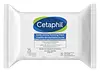
This cleansing wipe is made to dissolve makeup, sunscreen, and daily buildup.

What's inside
What's inside
 Key Ingredients
Benefits
Concerns
Ingredients Side-by-side
Water
Skin ConditioningIsohexadecane
EmollientDicaprylyl Ether
Emollient
Octyldodecyl Stearoyl Stearate
Emollient

Hexylene Glycol
EmulsifyingAloe Barbadensis Leaf Juice
Skin Conditioning

Cucumis Sativus Fruit Extract
Emollient
Chamomilla Recutita Flower Extract
Masking
Camellia Sinensis Leaf Extract
Antimicrobial




Tocopheryl Acetate
Antioxidant
Centaurea Cyanus Flower Extract
Astringent
Glycerin
Humectant
Ethylhexyl Hydroxystearate
Emollient
Lauryl Glucoside
CleansingPolyglyceryl-2 Dipolyhydroxystearate
Skin Conditioning
Aminomethyl Propanol
BufferingPhenoxyethanol
Preservative
Sorbitan Laurate
Emulsifying
Acrylates/C10-30 Alkyl Acrylate Crosspolymer
Emulsion StabilisingIodopropynyl Butylcarbamate
Preservative
Disodium EDTA
ChelatingEthylene Brassylate
MaskingCitric Acid
Buffering
Propylene Glycol
Humectant
Water, Isohexadecane, Dicaprylyl Ether, Octyldodecyl Stearoyl Stearate, Hexylene Glycol, Aloe Barbadensis Leaf Juice, Cucumis Sativus Fruit Extract, Chamomilla Recutita Flower Extract, Camellia Sinensis Leaf Extract, Tocopheryl Acetate, Centaurea Cyanus Flower Extract, Glycerin, Ethylhexyl Hydroxystearate, Lauryl Glucoside, Polyglyceryl-2 Dipolyhydroxystearate, Aminomethyl Propanol, Phenoxyethanol, Sorbitan Laurate, Acrylates/C10-30 Alkyl Acrylate Crosspolymer, Iodopropynyl Butylcarbamate, Disodium EDTA, Ethylene Brassylate, Citric Acid, Propylene Glycol
Water
Skin ConditioningTheobroma Cacao Extract
Skin ConditioningGlyceryl Stearate
Emollient
Petrolatum
Emollient


Propylene Glycol
Humectant
Cocos Nucifera Oil
Masking


Glycerin
Humectant
Paraffinum Liquidum
Emollient
Theobroma Cacao Seed Butter
Emollient
Elaeis Guineensis Oil
Emollient
Cetyl Alcohol
Emollient
Dimethicone
Emollient
Tocopherol
Antioxidant
Helianthus Annuus Seed Oil
Emollient
PEG-8 Stearate
Emulsifying
Hydroxyethylcellulose
Emulsion StabilisingPhenoxyethanol
Preservative
Behentrimonium Methosulfate
SurfactantBenzoic Acid
Masking
Stearalkonium Chloride
Preservative
Butylene Glycol
Humectant
Sorbic Acid
Preservative
Sodium Acetate
BufferingStearyl Alcohol
Emollient
Isopropyl Alcohol
Solvent

Myristyl Alcohol
Emollient
Parfum
Masking
Lauryl Alcohol
Emollient
Cellulose
Absorbent
Dimethyl Stearamine
EmulsifyingCI 19140
Cosmetic ColorantCI 15510
Cosmetic ColorantBenzyl Alcohol
Perfuming
Water, Theobroma Cacao Extract, Glyceryl Stearate, Petrolatum, Propylene Glycol, Cocos Nucifera Oil, Glycerin, Paraffinum Liquidum, Theobroma Cacao Seed Butter, Elaeis Guineensis Oil, Cetyl Alcohol, Dimethicone, Tocopherol, Helianthus Annuus Seed Oil, PEG-8 Stearate, Hydroxyethylcellulose, Phenoxyethanol, Behentrimonium Methosulfate, Benzoic Acid, Stearalkonium Chloride, Butylene Glycol, Sorbic Acid, Sodium Acetate, Stearyl Alcohol, Isopropyl Alcohol, Myristyl Alcohol, Parfum, Lauryl Alcohol, Cellulose, Dimethyl Stearamine, CI 19140, CI 15510, Benzyl Alcohol
Reviews
Ingredients Explained
These ingredients are found in both products.
Ingredients higher up in an ingredient list are typically present in a larger amount.
Glycerin (or glycerol) is a compound naturally found in your skin. It's a powerhouse humectant that pulls water into the stratum corneum.
Topically, glycerin does several things at once:
Your skin makes glycerin on its own (mostly from sebaceous oil breakdown) and shuttles it to your outermost layer of skin, or your epidermis, via aquaporin-3.
Aquaporin-3 is a transporter that is essential for normal skin hydration, elasticity, and repair. Interestingly, mice lacking in AQP3 have dry and less elastic skin that can be fully corrected with glycerin.
This ingredient is non-irritating, plays well with almost every ingredient, and works across all skin types. Typical use is anywhere between 3-10% but can go up to 79% in some leave-on products.
Just know very high concentrations (>40%) can feel tacky in low humidity.
Glycerin is the name for this ingredient in American English. British English uses Glycerol/Glycerine.
Learn more about GlycerinPhenoxyethanol is one of the most widely used preservatives in skincare (and for good reason!).
It has a large spectrum of antimicrobial activity and especially effective bacteria, yeast, and mold while only having a weak effect on your skin's natural microbiome.
On a cellular level, it disrupts the cell membranes of microbes by poking holes that make the cell leak. This shuts down the chemical reactions the microbe needs to make energy so it can no longer survive.
Another perk of this ingredient is that it stays functional across a wide pH range (3-10).
You'll often see it paired with boosters like Ethylhexylglycerin; one study showed that a 1:9 ratio of Ethylhexylglycerin to Phenoxyethanol damages bacterial membranes as effectively as doubling the Phenoxyethanol concentration on its own.
Typical use concentrations range from 0.3-1% depending on the formula, and this ingredient is capped at 1% int the EU.
Safety-wise, the fear mongering does not hold up to the evidence. The EU's Scientific Committee on Consumer Safety and FDA consider it safe as a preservative at up to 1%, including for children of all ages.
Adverse systemic effects only showed up in animal studies at exposures roughly 200x higher than what people get from cosmetics. And despite its very widespread use, this ingredient is a rare sensitizer and allergic reactions are uncommon.
Learn more about PhenoxyethanolPropylene Glycol is a synthetic, colorless, odorless liquid that has been a staple in cosmetics for decades. It is a skin conditioning agent, humectant, and solvent.
As a humectant, it draw water to the skin to reduce flaking and restore suppleness. It's also a solvent that helps dissolve other actives and keeps formulas stable across temperature changes.
The CIR Expert Panel has confirmed this ingredient to be nontoxic and clinical studies show no sensitization at cosmetic use concentrations.
True allergic reactions are quite rare: a 15-year retrospective study of 6,751 patients found only 0.31% had a positive reaction (and less than half were considered clinically relevant).
It seemed that when sensitization does occur, it's most commonly linked to topical medication (like corticosteroids) and not cosmetics. Allergic contact dermatitis also appears largely limited to individuals with underlying skin conditions.
Overall, propylene glycol is a well-studied ingredient that most people can tolerate without issue.
Learn more about Propylene GlycolWater. It's the most common cosmetic ingredient of all. You'll usually see it at the top of ingredient lists, meaning that it makes up the largest part of the product.
So why is it so popular? Water most often acts as a solvent - this means that it helps dissolve other ingredients into the formulation.
You'll also recognize water as that liquid we all need to stay alive. If you see this, drink a glass of water. Remember to stay hydrated!
Learn more about Water

