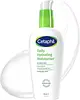
This day moisturizer is formulated around Hydrolyzed Hyaluronic Acid to hydrate skin.
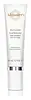
This calming moisturizer is formulated around Niacinamide and Aloe Barbadensis Leaf Juice to calm redness and hydrate skin.


What's inside
What's inside
 Key Ingredients
Benefits
Concerns
Ingredients Side-by-side
Water
Skin ConditioningDicaprylyl Carbonate
EmollientCyclopentasiloxane
Emollient
Glycerin
Humectant


Hydroxyethyl Urea
Humectant
Glyceryl Stearate
Emollient

PEG-100 Stearate
Surfactant
Acrylates/C10-30 Alkyl Acrylate Crosspolymer
Emulsion StabilisingCaprylyl Glycol
Emollient
Cetyl Alcohol
Emollient
Erythritol
Humectant
Glycine Soja Oil
Emollient





Homarine Hcl
Skin ConditioningHydrolyzed Hyaluronic Acid
Humectant

Phenoxyethanol
Preservative
Potassium Sorbate
Preservative
Sodium Benzoate
Masking
Sodium Hydroxide
BufferingSodium PCA
Humectant
Tocopherol
Antioxidant



Water, Dicaprylyl Carbonate, Cyclopentasiloxane, Glycerin, Hydroxyethyl Urea, Glyceryl Stearate, PEG-100 Stearate, Acrylates/C10-30 Alkyl Acrylate Crosspolymer, Caprylyl Glycol, Cetyl Alcohol, Erythritol, Glycine Soja Oil, Homarine Hcl, Hydrolyzed Hyaluronic Acid, Phenoxyethanol, Potassium Sorbate, Sodium Benzoate, Sodium Hydroxide, Sodium PCA, Tocopherol
Water
Skin ConditioningPropanediol
Solvent
Caprylic/Capric Triglyceride
Masking
Glycerin
Humectant
Shea Butter Cetyl Esters
Skin Conditioning
Shorea Stenoptera Seed Butter
Emollient
Sea Water
HumectantC12-16 Alcohols
EmollientBehenyl Alcohol
Emollient
Ammonium Acryloyldimethyltaurate/Vp Copolymer
Carthamus Tinctorius Seed Oil
Masking
Cetyl Palmitate
Emollient
Niacinamide
Smoothing




Aloe Barbadensis Leaf Juice
Skin Conditioning
Poria Cocos Extract
Skin ConditioningTetrapeptide-14
Skin Conditioning
Copper Tripeptide-1
Skin Conditioning
Hinokitiol
Crambe Abyssinica Seed Oil
Skin Conditioning
Dipotassium Glycyrrhizate
Humectant
Hydrolyzed Hyaluronic Acid
Humectant
Olea Europaea Oil Unsaponifiables
Skin Conditioning
Boswellia Serrata Gum Extract
Skin ConditioningHoney Extract
Humectant
Camellia Sinensis Leaf Extract
Antimicrobial
Aspalathus Linearis Leaf Extract
Skin ConditioningHydrogenated Lecithin
Emulsifying
Tocopheryl Acetate
Antioxidant
Pinus Cembra Wood Extract
Skin ConditioningPorphyridium Cruentum Extract
Skin ConditioningPalmitic Acid
Emollient
Glyceryl Caprylate
EmollientXanthan Gum
EmulsifyingDimethicone
Emollient
Maltodextrin
Absorbent
Hydroxyacetophenone
Antioxidant
Disodium EDTA
ChelatingCaprylhydroxamic Acid
ChelatingSodium Hydroxide
BufferingCitric Acid
Buffering
1,2-Hexanediol
Skin Conditioning
Caprylyl Glycol
Emollient
Ethylhexylglycerin
Skin ConditioningWater, Propanediol, Caprylic/Capric Triglyceride, Glycerin, Shea Butter Cetyl Esters, Shorea Stenoptera Seed Butter, Sea Water, C12-16 Alcohols, Behenyl Alcohol, Ammonium Acryloyldimethyltaurate/Vp Copolymer, Carthamus Tinctorius Seed Oil, Cetyl Palmitate, Niacinamide, Aloe Barbadensis Leaf Juice, Poria Cocos Extract, Tetrapeptide-14, Copper Tripeptide-1, Hinokitiol, Crambe Abyssinica Seed Oil, Dipotassium Glycyrrhizate, Hydrolyzed Hyaluronic Acid, Olea Europaea Oil Unsaponifiables, Boswellia Serrata Gum Extract, Honey Extract, Camellia Sinensis Leaf Extract, Aspalathus Linearis Leaf Extract, Hydrogenated Lecithin, Tocopheryl Acetate, Pinus Cembra Wood Extract, Porphyridium Cruentum Extract, Palmitic Acid, Glyceryl Caprylate, Xanthan Gum, Dimethicone, Maltodextrin, Hydroxyacetophenone, Disodium EDTA, Caprylhydroxamic Acid, Sodium Hydroxide, Citric Acid, 1,2-Hexanediol, Caprylyl Glycol, Ethylhexylglycerin
Reviews
Ingredients Explained
These ingredients are found in both products.
Ingredients higher up in an ingredient list are typically present in a larger amount.
Caprylyl Glycol is a humectant, skin conditioner, emollient, and preservative booster derived from either caprylic acid or synthetically created.
Typical use levels vary from 0.3-1% as a preservative booster and go up to 2% to condition skin.
Because it is not a free-fatty acid, this ingredient is fungal acne safe (there's nothing for Malassezia to feed on).
Learn more about Caprylyl GlycolGlycerin (or glycerol) is a compound naturally found in your skin. It's a powerhouse humectant that pulls water into the stratum corneum.
Topically, glycerin does several things at once:
Your skin makes glycerin on its own (mostly from sebaceous oil breakdown) and shuttles it to your outermost layer of skin, or your epidermis, via aquaporin-3.
Aquaporin-3 is a transporter that is essential for normal skin hydration, elasticity, and repair. Interestingly, mice lacking in AQP3 have dry and less elastic skin that can be fully corrected with glycerin.
This ingredient is non-irritating, plays well with almost every ingredient, and works across all skin types. Typical use is anywhere between 3-10% but can go up to 79% in some leave-on products.
Just know very high concentrations (>40%) can feel tacky in low humidity.
Glycerin is the name for this ingredient in American English. British English uses Glycerol/Glycerine.
Learn more about GlycerinHydrolyzed Hyaluronic Acid is hyaluronic acid (HA) that is broken down into lower molecular weight fragments.
It's a humectant that pulls and holds water in the skin to help with hydration, plumpness, and reduce transepidermal water loss.
Because hydrolyzed hyaluronic acid is smaller in size, it can slip past your outermost layer of skin more easily than full-sized HA.
Most formulations will combine all sizes to get the best of both worlds.
Typical usage levels range from 0.01-1%. Any percentage higher than 2% might become goopy and tacky.
Learn more about Hydrolyzed Hyaluronic AcidSodium Hydroxide is also known as lye or caustic soda. It is used to adjust the pH of products; many ingredients require a specific pH to be effective.
In small amounts, sodium hydroxide is considered safe to use. However, large amounts may cause chemical burns due to its high alkaline.
Your skin has a natural pH and acid mantle. This acid mantle helps prevent harmful bacteria from breaking through. The acid mantle also helps keep your skin hydrated.
"Alkaline" refers to a high pH level. A low pH level would be considered acidic.
Learn more about Sodium HydroxideWater. It's the most common cosmetic ingredient of all. You'll usually see it at the top of ingredient lists, meaning that it makes up the largest part of the product.
So why is it so popular? Water most often acts as a solvent - this means that it helps dissolve other ingredients into the formulation.
You'll also recognize water as that liquid we all need to stay alive. If you see this, drink a glass of water. Remember to stay hydrated!
Learn more about Water

