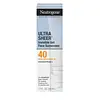
CeraVe Invisible Mineral Sunscreen SPF 50 Face Versus Neutrogena Ultra Sheer Invisible Gel Face Sunscreen SPF 40
This hybrid sunscreen covers the full UV range and blocks ~98% of UVB at SPF 50.
This chemical sunscreen covers most of the UV range, lighter on the deep UVA that drives aging.

What's inside
What's inside
 Key Ingredients
Benefits
Concerns
Ingredients Side-by-side
Titanium Dioxide 2.66%
Cosmetic Colorant

Zinc Oxide 15.35%
Cosmetic Colorant
Water
Skin ConditioningC15-19 Alkane
SolventGlycerin
Humectant


Dicaprylyl Carbonate
EmollientNiacinamide
Smoothing








Propanediol
Solvent
Cetearyl Isononanoate
Emollient
Polyhydroxystearic Acid
Emulsifying

Dimethicone
Emollient
Ethylhexyl Methoxycrylene
Skin Conditioning
Cellulose
Absorbent
Triethylhexanoin
MaskingIsohexadecane
EmollientTriethoxycaprylylsilane
Steareth-20
CleansingSilica
Abrasive
Steareth-2
EmulsifyingCeramide NP
Skin Conditioning
Ceramide AP
Skin Conditioning
Ceramide EOP
Skin Conditioning
Carbomer
Emulsion StabilisingGlyceryl Stearate
Emollient
Cetearyl Alcohol
Emollient



Behentrimonium Methosulfate
SurfactantTriethyl Citrate
Masking

Sodium Lauroyl Lactylate
EmulsifyingCholesterol
Emollient
Aluminum Stearate
Cosmetic ColorantAlumina
Abrasive
Chlorphenesin
Antimicrobial
Tocopherol
Antioxidant

Hydroxyacetophenone
Antioxidant
Caprylyl Glycol
Emollient
Caprylic/Capric Triglyceride
Masking
Citric Acid
Buffering
Diethylhexyl Syringylidenemalonate
Skin Protecting
Panthenol
Skin Conditioning
Xanthan Gum
EmulsifyingPhytosphingosine
Skin Conditioning
Polysorbate 20
Emulsifying
Acrylates/C10-30 Alkyl Acrylate Crosspolymer
Emulsion StabilisingBenzoic Acid
Masking
Titanium Dioxide 2.66%, Zinc Oxide 15.35%, Water, C15-19 Alkane, Glycerin, Dicaprylyl Carbonate, Niacinamide, Propanediol, Cetearyl Isononanoate, Polyhydroxystearic Acid, Dimethicone, Ethylhexyl Methoxycrylene, Cellulose, Triethylhexanoin, Isohexadecane, Triethoxycaprylylsilane, Steareth-20, Silica, Steareth-2, Ceramide NP, Ceramide AP, Ceramide EOP, Carbomer, Glyceryl Stearate, Cetearyl Alcohol, Behentrimonium Methosulfate, Triethyl Citrate, Sodium Lauroyl Lactylate, Cholesterol, Aluminum Stearate, Alumina, Chlorphenesin, Tocopherol, Hydroxyacetophenone, Caprylyl Glycol, Caprylic/Capric Triglyceride, Citric Acid, Diethylhexyl Syringylidenemalonate, Panthenol, Xanthan Gum, Phytosphingosine, Polysorbate 20, Acrylates/C10-30 Alkyl Acrylate Crosspolymer, Benzoic Acid
Butyl Methoxydibenzoylmethane 3%
UV Absorber
Homosalate 15%
Skin Conditioning
Ethylhexyl Salicylate 5%
UV Absorber
Octocrylene 10%
UV Absorber
Isododecane
EmollientDimethicone
Emollient
Hydrogenated Castor Oil
Emollient
Coco-Caprylate/Caprate
Emollient
Silica
Abrasive
Dimethicone Crosspolymer
Emulsion Stabilising
Polyester-7
Skin ConditioningNeopentyl Glycol Diheptanoate
EmollientEthylhexyl Methoxycrylene
Skin Conditioning
Tocopheryl Acetate
Antioxidant
Reviews
Ingredients Explained
These ingredients are found in both products.
Ingredients higher up in an ingredient list are typically present in a larger amount.
Dimethicone is a type of synthetic silicone created from natural materials such as quartz. It is also known as polydimethylsiloxane.
What it does:
Dimethicone comes in different viscosities:
Depending on the viscosity, dimethicone has different properties.
Ingredients lists don't always show which type is used, so we recommend reaching out to the brand if you have questions about the viscosity.
This ingredient is unlikely to cause irritation because it does not get absorbed into skin. However, people with silicone allergies should be careful about using this ingredient.
Note: Dimethicone may contribute to pilling. This is because it is not oil or water soluble, so pilling may occur when layered with products. When mixed with heavy oils in a formula, the outcome is also quite greasy.
Learn more about DimethiconeThis ingredient is a photostabilizer and a chemical UV booster. It is marketed as an alternative to octocrylene.
You'll most likely find it in sunscreens to enhance stability and effectiveness of UV filters, antioxidants, and vitamin A derivatives. According to the manufacturer, this ingredient is better than octocrylene at stabilizing avobenzone.
Due to regulation loopholes, you'll likely see this ingredient in "100% mineral" sunscreens.
Learn more about Ethylhexyl MethoxycryleneSilica, also known as silicon dioxide, is a naturally occurring mineral. It is used as a fine, spherical, and porous powder in cosmetics.
Though it has exfoliant properties, the function of silica varies depending on the product.
The unique structure of silica enhances the spreadability and adds smoothness, making it a great texture enhancer.
It is also used as an active carrier, emulsifier, and mattifier due to its ability to absorb excess oil.
In some products, tiny microneedles called spicules are made from silica or hydrolyzed sponge. When you rub them in, they lightly polish away dead skin layers and enhance the penetration of active ingredients.
Learn more about Silica

