

What's inside
What's inside
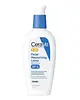 Key Ingredients
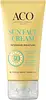
Benefits
Concerns
Ingredients Side-by-side
Homosalate 10%
Skin Conditioning

Menthyl Anthranilate 5%
UV Absorber
Ethylhexyl Methoxycinnamate 5%
UV Absorber
Octocrylene 2%
UV Absorber
Zinc Oxide 6.3%
Cosmetic Colorant
Water
Skin ConditioningNiacinamide
Smoothing










Glycerin
Humectant
Cetearyl Alcohol
Emollient





Behentrimonium Methosulfate
Surfactant
Dimethicone
Emollient
BHT
Antioxidant
Ceramide NP
Skin Conditioning
Ceramide AP
Skin Conditioning
Ceramide EOP
Skin Conditioning
Carbomer
Emulsion StabilisingTriethoxycaprylylsilane
Methylparaben
Preservative

Sodium Lauroyl Lactylate
EmulsifyingCholesterol
Emollient
Aluminum Starch Octenylsuccinate
Absorbent
Disodium EDTA
Propylparaben
Preservative
Hydroxyethylcellulose
Emulsion StabilisingHydrolyzed Hyaluronic Acid
Humectant
Phytosphingosine
Skin Conditioning
Xanthan Gum
EmulsifyingHomosalate 10%, Menthyl Anthranilate 5%, Ethylhexyl Methoxycinnamate 5%, Octocrylene 2%, Zinc Oxide 6.3%, Water, Niacinamide, Glycerin, Cetearyl Alcohol, Behentrimonium Methosulfate, Dimethicone, BHT, Ceramide NP, Ceramide AP, Ceramide EOP, Carbomer, Triethoxycaprylylsilane, Methylparaben, Sodium Lauroyl Lactylate, Cholesterol, Aluminum Starch Octenylsuccinate, Disodium EDTA, Propylparaben, Hydroxyethylcellulose, Hydrolyzed Hyaluronic Acid, Phytosphingosine, Xanthan Gum
Water
Skin ConditioningOctocrylene
UV Absorber
C12-15 Alkyl Benzoate
AntimicrobialEthylhexyl Salicylate
UV Absorber
Bis-Ethylhexyloxyphenol Methoxyphenyl Triazine
Skin Conditioning
Diethylamino Hydroxybenzoyl Hexyl Benzoate
UV Filter
Myristyl Myristate
Emollient
Glycerin
Humectant
Propanediol
Solvent
Diglycerin
Humectant
Ethylhexyl Triazone
UV Absorber
Cetearyl Alcohol
Emollient
Tocopheryl Acetate
Antioxidant
Phenoxyethanol
Preservative
Canola Oil
Emollient
Potassium Cetyl Phosphate
EmulsifyingAcrylates/C10-30 Alkyl Acrylate Crosspolymer
Emulsion StabilisingPolyglycerin-3
Humectant
Xanthan Gum
EmulsifyingSodium Hydroxide
BufferingCitric Acid
Buffering
Sodium Benzoate
Masking
Water, Octocrylene, C12-15 Alkyl Benzoate, Ethylhexyl Salicylate, Bis-Ethylhexyloxyphenol Methoxyphenyl Triazine, Diethylamino Hydroxybenzoyl Hexyl Benzoate, Myristyl Myristate, Glycerin, Propanediol, Diglycerin, Ethylhexyl Triazone, Cetearyl Alcohol, Tocopheryl Acetate, Phenoxyethanol, Canola Oil, Potassium Cetyl Phosphate, Acrylates/C10-30 Alkyl Acrylate Crosspolymer, Polyglycerin-3, Xanthan Gum, Sodium Hydroxide, Citric Acid, Sodium Benzoate
Reviews
Ingredients Explained
These ingredients are found in both products.
Ingredients higher up in an ingredient list are typically present in a larger amount.
Cetearyl alcohol is a waxy mixture of two fatty alcohols: cetyl alcohol and stearyl alcohol. It is an emollient and emulsifier.
Despite having "alcohol" in its name, it has nothing to do with drying solvent alcohols; the FDA also allows "alcohol-free" products to contain fatty alcohols like this ingredient.
It plays several roles in a formula:
Typical use levels for this ingredient sit around 1-10% and the Cosmetic Ingredient Review Expert Panel has affirmed safety at concentrations up to 25% in leave-on products.
Multiple assessments have found it to be non-irritating and non-sensitizing to most people.
However, there have been some cases of allergic contact dermatitis in patients with chronically compromised skin barriers.
Cetearyl alcohol has a comedogenic rating of 2 and irritancy rating of 1. Both of these numbers come from the 1989 study that used rabbit ears; a "2" means mildly comedogenic and a "1" means low irritancy.
Here's the catch: rabbit skin is more sensitive than human skin and throws a lot of false positives. A 1996 reappraisal found that ingredients rated 1-2 in the rabbit ear tests are generally safe for humans.
Remember comedogenic ratings are unable to assess the entire formula of a product or how it will react on your skin. Just be sure to patch test if you are unsure about certain ingredients.
This ingredient is not fungal acne safe. Cetearyl alcohol is a fatty alcohol with chain lengths that fall within the range that Malassezia can metabolize.
A 2019 study has also observed Malassezia growth in the presence of this ingredient, confirming it to be not-fungal acne safe.
Learn more about Cetearyl AlcoholGlycerin (or glycerol) is a compound naturally found in your skin. It's a powerhouse humectant that pulls water into the stratum corneum.
Topically, glycerin does several things at once:
Your skin makes glycerin on its own (mostly from sebaceous oil breakdown) and shuttles it to your outermost layer of skin, or your epidermis, via aquaporin-3.
Aquaporin-3 is a transporter that is essential for normal skin hydration, elasticity, and repair. Interestingly, mice lacking in AQP3 have dry and less elastic skin that can be fully corrected with glycerin.
This ingredient is non-irritating, plays well with almost every ingredient, and works across all skin types. Typical use is anywhere between 3-10% but can go up to 79% in some leave-on products.
Just know very high concentrations (>40%) can feel tacky in low humidity.
Glycerin is the name for this ingredient in American English. British English uses Glycerol/Glycerine.
Learn more about GlycerinOctocrylene is an oil-soluble organic UV filter that mainly absorbs UVB and short wave UVA II light.
Its real superpower is teamwork: octocrylene is remarkably photostable and is most famous for stabilizing avobenzone (the workhorse UVA filter).
This ingredient is commonly used to enhance both UVB and UVA protection due to its unique property in stabilizing avobenzone. It also pulls double duty by boosting water resistance and giving formulas a smooth, spreadable feel.
The EU's Scientific Committee on Consumer Safety (SCCS) has deemed octocrylene to be safe as a UV-filter at concentrations up to 10% (capped at 9% in propellant sprays). The US also permits it up to 10%.
Two things worth knowing:
You'll usually see this ingredient used in concentrations between 2-10% (higher amounts when used as a stabilizer for avobenzone).
Learn more about OctocryleneWater. It's the most common cosmetic ingredient of all. You'll usually see it at the top of ingredient lists, meaning that it makes up the largest part of the product.
So why is it so popular? Water most often acts as a solvent - this means that it helps dissolve other ingredients into the formulation.
You'll also recognize water as that liquid we all need to stay alive. If you see this, drink a glass of water. Remember to stay hydrated!
Learn more about WaterXanthan gum is used as a stabilizer and thickener within cosmetic products. It helps give products a sticky, thick feeling - preventing them from being too runny.
On the technical side of things, xanthan gum is a polysaccharide - a combination consisting of multiple sugar molecules bonded together.
Xanthan gum is a pretty common and great ingredient. It is a natural, non-toxic, non-irritating ingredient that is also commonly used in food products.
Learn more about Xanthan Gum

