

What's inside
What's inside
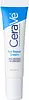 Key Ingredients
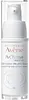
Benefits
Concerns
Ingredients Side-by-side
Water
Skin ConditioningNiacinamide
Smoothing











Cetyl Alcohol
Emollient


Caprylic/Capric Triglyceride
Masking
Glycerin
Humectant
Propanediol
Solvent
Isononyl Isononanoate
EmollientJojoba Esters
Emollient
PEG-20 Methyl Glucose Sesquistearate
Emulsifying
Cetearyl Alcohol
Emollient

Dimethicone
Emollient
Methyl Glucose Sesquistearate
Emollient
Asparagopsis Armata Extract
Skin ProtectingCeramide NP
Skin Conditioning
Ceramide AP
Skin Conditioning
Potassium Sorbate
Preservative
Ceramide EOP
Skin Conditioning
Sorbitol
Humectant
Carbomer
Emulsion StabilisingZinc Citrate
Behentrimonium Methosulfate

Triethanolamine
BufferingAloe Barbadensis Leaf Extract
Emollient
Sodium Lauroyl Lactylate
EmulsifyingSodium Hydroxide
BufferingEquisetum Arvense Extract
AstringentSodium Hyaluronate
Humectant
Cholesterol
Emollient
Phenoxyethanol
Preservative
Prunus Amygdalus Dulcis Oil
Skin Conditioning
Tocopherol
Antioxidant

Ascophyllum Nodosum Extract
Skin ConditioningLaureth-4
Emulsifying
Hydrogenated Vegetable Oil
Emollient
Tetrasodium EDTA
Maltodextrin
Absorbent
Phytosphingosine
Skin Conditioning
Xanthan Gum
EmulsifyingButylene Glycol
Humectant
Ethylhexylglycerin
Skin ConditioningChrysanthellum Indicum Extract
Skin Conditioning
Water, Niacinamide, Cetyl Alcohol, Caprylic/Capric Triglyceride, Glycerin, Propanediol, Isononyl Isononanoate, Jojoba Esters, PEG-20 Methyl Glucose Sesquistearate, Cetearyl Alcohol, Dimethicone, Methyl Glucose Sesquistearate, Asparagopsis Armata Extract, Ceramide NP, Ceramide AP, Potassium Sorbate, Ceramide EOP, Sorbitol, Carbomer, Zinc Citrate, Behentrimonium Methosulfate, Triethanolamine, Aloe Barbadensis Leaf Extract, Sodium Lauroyl Lactylate, Sodium Hydroxide, Equisetum Arvense Extract, Sodium Hyaluronate, Cholesterol, Phenoxyethanol, Prunus Amygdalus Dulcis Oil, Tocopherol, Ascophyllum Nodosum Extract, Laureth-4, Hydrogenated Vegetable Oil, Tetrasodium EDTA, Maltodextrin, Phytosphingosine, Xanthan Gum, Butylene Glycol, Ethylhexylglycerin, Chrysanthellum Indicum Extract
Water
Skin ConditioningParaffinum Liquidum
Emollient
Butylene Glycol
Humectant
Polysorbate 40
Emulsifying
Squalane
Emollient
Caprylic/Capric Triglyceride
Masking
Sorbitan Palmitate
Emulsifying
1,2-Hexanediol
Skin Conditioning
BHT
Antioxidant
Caprylyl Glycol
Emollient
Carbomer
Emulsion StabilisingDisodium EDTA
Oleoyl Dipeptide-15
Skin Conditioning
Oleoyl Tetrapeptide-31
Antioxidant
CI 17200
Cosmetic ColorantRetinal
Skin Conditioning

Sodium Hydroxide
BufferingTocopheryl Glucoside
EmollientXanthan Gum
Emulsifying
Reviews
Alternatives
Ingredients Explained
These ingredients are found in both products.
Ingredients higher up in an ingredient list are typically present in a larger amount.
Butylene Glycol (or BG) is used within cosmetic products for a few different reasons:
Overall, Butylene Glycol is a safe and well-rounded ingredient that works well with other ingredients.
Though this ingredient works well with most skin types, some people with sensitive skin may experience a reaction such as allergic rashes, closed comedones, or itchiness.
Learn more about Butylene GlycolThis ingredient is a lightweight emollient, solvent, and texture enhancer. It is considered a skin-softener by helping the skin prevent moisture loss.
It helps thicken a product's formula and makes it easier to spread by dissolving clumping compounds.
Caprylic Triglyceride is made by combining glycerin with coconut oil, forming a clear liquid. Though it behaves like an oil, it is not technically one due to its chemical composition. It is very stable, resistant to oxidation, and unlikely to go rancid. In practice, that translates to a long shelf life and a consistently elegant skin feel.
While there is an assumption Caprylic Triglyceride can clog pores due to it being derived from coconut oil, there is no research supporting this. Be sure to patch test if you have concerns.
Fractionated coconut oil and MCT Oil are both listed as Caprylic/Capric Triglyceride according to INCI. This is because INCI names are based on the ingredient’s final chemical composition and not its marketing name or source.
Learn more about Caprylic/Capric TriglycerideCarbomer is a high-molecular weight polymer of acrylic acid. It is used to form gels and thicken formulas.
Due to its large molecular size, carbomer has minimal skin penetration and is considered an inert ingredient.
A high amount of carbomer can cause pilling or balling up of products. Don't worry, most products contain 1% or less of carbomer.
Learn more about CarbomerSodium Hydroxide is also known as lye or caustic soda. It is used to adjust the pH of products; many ingredients require a specific pH to be effective.
In small amounts, sodium hydroxide is considered safe to use. However, large amounts may cause chemical burns due to its high alkaline.
Your skin has a natural pH and acid mantle. This acid mantle helps prevent harmful bacteria from breaking through. The acid mantle also helps keep your skin hydrated.
"Alkaline" refers to a high pH level. A low pH level would be considered acidic.
Learn more about Sodium HydroxideWater. It's the most common cosmetic ingredient of all. You'll usually see it at the top of ingredient lists, meaning that it makes up the largest part of the product.
So why is it so popular? Water most often acts as a solvent - this means that it helps dissolve other ingredients into the formulation.
You'll also recognize water as that liquid we all need to stay alive. If you see this, drink a glass of water. Remember to stay hydrated!
Learn more about WaterXanthan gum is used as a stabilizer and thickener within cosmetic products. It helps give products a sticky, thick feeling - preventing them from being too runny.
On the technical side of things, xanthan gum is a polysaccharide - a combination consisting of multiple sugar molecules bonded together.
Xanthan gum is a pretty common and great ingredient. It is a natural, non-toxic, non-irritating ingredient that is also commonly used in food products.
Learn more about Xanthan Gum
