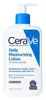
CeraVe Daily Moisturizing Lotion for Normal to Dry Skin Versus Palmer's Cocoa Butter Formula Skin Therapy Face Oil
This barrier-repair moisturizer is formulated around Ceramide NP and Ceramide AP to strengthen the skin barrier and hydrate skin.
This hydrating oil is formulated around Prunus Amygdalus Dulcis Oil and Vitis Vinifera Seed Oil to hydrate skin and soften the look of wrinkles.

What's inside
What's inside
 Key Ingredients
Benefits
Concerns
Ingredients Side-by-side
Water
Skin ConditioningGlycerin
Humectant


Caprylic/Capric Triglyceride
Masking
Cetearyl Alcohol
Emollient





Cetyl Alcohol
Emollient
Potassium Phosphate
BufferingCeramide NP
Skin Conditioning



Ceramide AP
Skin Conditioning
Ceramide EOP
Skin Conditioning
Carbomer
Emulsion StabilisingDimethicone
Emollient
Ceteareth-20
Cleansing
Behentrimonium Methosulfate
SurfactantMethylparaben
Preservative


Sodium Lauroyl Lactylate
EmulsifyingCholesterol
Emollient
Disodium EDTA
ChelatingDipotassium Phosphate
BufferingPropylparaben
Preservative
Hydrolyzed Hyaluronic Acid
Humectant
Phytosphingosine
Skin Conditioning
Xanthan Gum
EmulsifyingPolysorbate 20
Emulsifying
Polyglyceryl-3 Diisostearate
Emulsifying
Water, Glycerin, Caprylic/Capric Triglyceride, Cetearyl Alcohol, Cetyl Alcohol, Potassium Phosphate, Ceramide NP, Ceramide AP, Ceramide EOP, Carbomer, Dimethicone, Ceteareth-20, Behentrimonium Methosulfate, Methylparaben, Sodium Lauroyl Lactylate, Cholesterol, Disodium EDTA, Dipotassium Phosphate, Propylparaben, Hydrolyzed Hyaluronic Acid, Phytosphingosine, Xanthan Gum, Polysorbate 20, Polyglyceryl-3 Diisostearate
Prunus Amygdalus Dulcis Oil
Skin Conditioning
Vitis Vinifera Seed Oil
Emollient
Isopropyl Myristate
Emollient
Cetearyl Ethylhexanoate
Emollient
Camelina Sativa Seed Oil
Skin Conditioning
Macadamia Ternifolia Seed Oil
Emollient
Sesamum Indicum Seed Oil
Emollient
PEG-40 Sorbitan Peroleate
Emulsifying
Cocos Nucifera Oil
Masking
Prunus Armeniaca Kernel Oil
Masking
Caprylyl Methicone
Skin Conditioning
Theobroma Cacao Seed Butter
Emollient
Tocopheryl Acetate
Antioxidant


Retinol
Skin Conditioning





Ascorbyl Palmitate
Antioxidant
Centella Asiatica Extract
Cleansing
Rosa Canina Seed Extract
EmollientArgania Spinosa Kernel Oil
Emollient
Helianthus Annuus Seed Oil
Emollient
Dimethicone
Emollient
Hydrogenated Methyl Abietate
Parfum
Masking
Caprylic/Capric Triglyceride
Masking
BHT
Antioxidant
Benzyl Benzoate
Antimicrobial
Citronellol
Perfuming
Alpha-Isomethyl Ionone
Perfuming
Geraniol
Perfuming
Hydroxyisohexyl 3-Cyclohexene Carboxaldehyde
Masking
Hexyl Cinnamal
Perfuming
Butylphenyl Methylpropional
Perfuming
Prunus Amygdalus Dulcis Oil, Vitis Vinifera Seed Oil, Isopropyl Myristate, Cetearyl Ethylhexanoate, Camelina Sativa Seed Oil, Macadamia Ternifolia Seed Oil, Sesamum Indicum Seed Oil, PEG-40 Sorbitan Peroleate, Cocos Nucifera Oil, Prunus Armeniaca Kernel Oil, Caprylyl Methicone, Theobroma Cacao Seed Butter, Tocopheryl Acetate, Retinol, Ascorbyl Palmitate, Centella Asiatica Extract, Rosa Canina Seed Extract, Argania Spinosa Kernel Oil, Helianthus Annuus Seed Oil, Dimethicone, Hydrogenated Methyl Abietate, Parfum, Caprylic/Capric Triglyceride, BHT, Benzyl Benzoate, Citronellol, Alpha-Isomethyl Ionone, Geraniol, Hydroxyisohexyl 3-Cyclohexene Carboxaldehyde, Hexyl Cinnamal, Butylphenyl Methylpropional
Reviews
Ingredients Explained
These ingredients are found in both products.
Ingredients higher up in an ingredient list are typically present in a larger amount.
Caprylic/Capric Triglyceride (aka MCT Oil) is a lightweight emollient, solvent, and texture enhancer. It is considered a skin-softener by helping to prevent moisture loss.
Though it behaves like an oil, it is not technically one due to its chemical composition. One perk of this ingredient is that it is very stable, resistant to oxidation, and unlikely to go rancid.
In practice, that translates to a long shelf life and a consistently elegant skin feel.
While there is an assumption Caprylic Triglyceride can clog pores due to it being derived from coconut oil, there is no research supporting this. Just patch test if you have concerns.
Fractionated coconut oil and MCT Oil are both listed as Caprylic/Capric Triglyceride according to INCI. This is because INCI names are based on the ingredient’s final chemical composition and not its marketing name or source.
This ingredient is treated as the gold standard fungal acne safe oil. Even though it is coconut derived, the problematic lauric acid is stripped out.
This leaves just caprylic (C8) and capric (C10) acid. These chain lengths actually trend antifungal; a 2020 study found caprylic acid was enough to disrupt Malassezia furfur cell membrane, with a caprylic acid derivative damaging membrane structures at concentrations as low as 0.2%.
Learn more about Caprylic/Capric TriglycerideDimethicone is a type of synthetic silicone created from natural materials such as quartz. It is also known as polydimethylsiloxane.
What it does:
Dimethicone comes in different viscosities:
Depending on the viscosity, dimethicone has different properties.
Ingredients lists don't always show which type is used, so we recommend reaching out to the brand if you have questions about the viscosity.
This ingredient is unlikely to cause irritation because it does not get absorbed into skin. However, people with silicone allergies should be careful about using this ingredient.
Note: Dimethicone may contribute to pilling. This is because it is not oil or water soluble, so pilling may occur when layered with products. When mixed with heavy oils in a formula, the outcome is also quite greasy.
Learn more about Dimethicone

