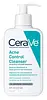
This salicylic acid gel cleanser is formulated around Salicylic Acid to clear breakouts and unclog pores.
This salicylic acid cream cleanser is formulated around Salicylic Acid to clear breakouts and unclog pores.


What's inside
What's inside
 Key Ingredients
Benefits
Concerns
Ingredients Side-by-side
Salicylic Acid 2%
Masking










Water
Skin ConditioningSodium Lauroyl Sarcosinate
CleansingCocamidopropyl Hydroxysultaine
Cleansing
Glycerin
Humectant


Niacinamide
Smoothing




Gluconolactone
Skin Conditioning
Sodium Methyl Cocoyl Taurate
Cleansing
PEG-150 Pentaerythrityl Tetrastearate
Emulsifying
Ceramide NP
Skin Conditioning
Ceramide AP
Skin Conditioning
Ceramide EOP
Skin Conditioning
Carbomer
Emulsion StabilisingCalcium Gluconate
HumectantTriethyl Citrate
Masking

Sodium Benzoate
Masking
Sodium Hydroxide
BufferingSodium Lauroyl Lactylate
EmulsifyingCholesterol
Emollient
Tetrasodium EDTA
Caprylyl Glycol
Emollient
Hydrolyzed Hyaluronic Acid
Humectant
Trisodium Ethylenediamine Disuccinate
Xanthan Gum
EmulsifyingHectorite
AbsorbentPhytosphingosine
Skin Conditioning
Benzoic Acid
Masking
Salicylic Acid 2%, Water, Sodium Lauroyl Sarcosinate, Cocamidopropyl Hydroxysultaine, Glycerin, Niacinamide, Gluconolactone, Sodium Methyl Cocoyl Taurate, PEG-150 Pentaerythrityl Tetrastearate, Ceramide NP, Ceramide AP, Ceramide EOP, Carbomer, Calcium Gluconate, Triethyl Citrate, Sodium Benzoate, Sodium Hydroxide, Sodium Lauroyl Lactylate, Cholesterol, Tetrasodium EDTA, Caprylyl Glycol, Hydrolyzed Hyaluronic Acid, Trisodium Ethylenediamine Disuccinate, Xanthan Gum, Hectorite, Phytosphingosine, Benzoic Acid
Water
Skin ConditioningGlycerin
Humectant
Hamamelis Virginiana Water
Astringent
Stearic Acid
Cleansing
Propylene Glycol
Humectant
Cocamidopropyl Betaine
Cleansing
Salicylic Acid
Masking
Glyceryl Stearate
Emollient
Sodium Methyl Cocoyl Taurate
Cleansing
Sodium Hydroxide
BufferingZinc Gluconate
Skin Conditioning
Glycol Distearate
Emollient
Ethyl Linoleate
Emollient
Phenoxyethanol
Preservative
Sodium Chloride
MaskingCamellia Sinensis Leaf Extract
Antimicrobial
Coconut Acid
Cleansing
Ethylhexylglycerin
Skin ConditioningAllantoin
Skin Conditioning
Bakuchiol
Antimicrobial
Phytosphingosine
Skin Conditioning
Ceramide NP
Skin Conditioning
Propanediol
Solvent
Rutin
Antioxidant
Potassium Sorbate
Preservative
Hydroxycinnamic Acid
Skin ConditioningSodium Benzoate
Masking
Water, Glycerin, Hamamelis Virginiana Water, Stearic Acid, Propylene Glycol, Cocamidopropyl Betaine, Salicylic Acid, Glyceryl Stearate, Sodium Methyl Cocoyl Taurate, Sodium Hydroxide, Zinc Gluconate, Glycol Distearate, Ethyl Linoleate, Phenoxyethanol, Sodium Chloride, Camellia Sinensis Leaf Extract, Coconut Acid, Ethylhexylglycerin, Allantoin, Bakuchiol, Phytosphingosine, Ceramide NP, Propanediol, Rutin, Potassium Sorbate, Hydroxycinnamic Acid, Sodium Benzoate
Reviews
Ingredients Explained
These ingredients are found in both products.
Ingredients higher up in an ingredient list are typically present in a larger amount.
Ceramide NP (formerly known as Ceramide 3) is one of the skin's naturally occurring lipids.
Since ceramides are the major lipid components of the skin, they are crucial for maintaining skin barrier and hydration. Ceramide NP most closely mirrors the dominant kind in human skin amongst ceramide subtypes.
This ceramide works by slotting into gaps within the stratum corneum's lipid matrix to limit trans-epidermal water loss (TEWL) and shield the skin against external irritants.
A study with 312 patients found that using a ceramide-containing routine for 4 weeks reduced the severity of atopic dermatitis by over 61%.
Another clinical study in subjects aged 60 and older found that a ceramide body wash and moisturizer improved skin dryness and itchy skin in 15 days.
Overall, ceramides are considered non-irritating and safety tests have found little to no observable adverse effects from using this ingredient.
Ceramide NP is usually sourced from plants (like soybean or rice bran), or produced synthetically.
Learn more about Ceramide NPGlycerin (or glycerol) is a compound naturally found in your skin. It's a powerhouse humectant that pulls water into the stratum corneum.
Topically, glycerin does several things at once:
Your skin makes glycerin on its own (mostly from sebaceous oil breakdown) and shuttles it to your outermost layer of skin, or your epidermis, via aquaporin-3.
Aquaporin-3 is a transporter that is essential for normal skin hydration, elasticity, and repair. Interestingly, mice lacking in AQP3 have dry and less elastic skin that can be fully corrected with glycerin.
This ingredient is non-irritating, plays well with almost every ingredient, and works across all skin types. Typical use is anywhere between 3-10% but can go up to 79% in some leave-on products.
Just know very high concentrations (>40%) can feel tacky in low humidity.
Glycerin is the name for this ingredient in American English. British English uses Glycerol/Glycerine.
Learn more about GlycerinPhytosphingosine is a phospholipid naturally found in our skin as a building block for ceramides.. It helps moisturize, soothe, and protect skin.
Phytosphingosine contributes to your skin's natural moisturizing factor (NMF). The NMF is responsible for hydration, a strong barrier, and plasticity. Our NMF decreases with age. Increasing NMF leads to more healthy and hydrated skin.
Studies show products formulated with NMF ingredients help strengthen our skin's barrier. Having a healthy skin barrier reduces irritation and increases hydration. Our skin barrier is responsible for having plump and firm skin. It also helps protect our skin against infection, allergies, and inflammation.
Fun fact: Phytosphingosine is abundant in plants and fungi.
More ingredients that help boost collagen in skin:
Learn more about PhytosphingosineSalicylic Acid (also known as beta hydroxy acid or BHA) is a well-known ingredient for treating skin that struggles with acne and clogged pores. It exfoliates both the skin's surface and deep within the pores to help clear out buildup, control oil, and reduce inflammation.
Unlike AHAs (alpha hydroxy acids), salicylic acid is oil-soluble. This allows it to penetrate into pores which makes it especially effective for treating blackheads and preventing future breakouts.
Salicylic acid is also known for its soothing properties. It has a similar structure to aspirin and can calm inflamed or irritated skin, making it a good option for acne-prone skin that is also sensitive.
Concentrations of 0.5-2% are recognized by the U.S. FDA as an over-the-counter topical acne product.
It can cause irritation and/or dryness if one's skin already has a compromised moisture barrier, so it's best to focus on repairing that before introducing this ingredient into your routine.
While salicylic acid does not increase sun sensitivity, it’s still important to wear sunscreen daily to protect your skin.
If you are looking for the ingredient called BHA or Butylated Hydroxyanisole, click here.
Learn more about Salicylic AcidSodium Benzoate is a preservative. It's used in both cosmetic and food products to inhibit the growth of mold and bacteria. It is typically produced synthetically.
Both the US FDA and EU Health Committee have approved the use of sodium benzoate. In the US, levels of 0.1% (of the total product) are allowed.
Sodium benzoate works as a preservative by inhibiting the growth of bacteria inside of cells. It prevents the cell from fermenting a type of sugar using an enzyme called phosphofructokinase.
It is the salt of benzoic acid. Foods containing sodium benzoate include soda, salad dressings, condiments, fruit juices, wines, and snack foods.
Studies for using ascorbic acid and sodium benzoate in cosmetics are lacking, especially in skincare routines with multiple steps.
We always recommend speaking with a professional, such as a dermatologist, if you have any concerns.
Learn more about Sodium BenzoateSodium Hydroxide is also known as lye or caustic soda. It is used to adjust the pH of products; many ingredients require a specific pH to be effective.
In small amounts, sodium hydroxide is considered safe to use. However, large amounts may cause chemical burns due to its high alkaline.
Your skin has a natural pH and acid mantle. This acid mantle helps prevent harmful bacteria from breaking through. The acid mantle also helps keep your skin hydrated.
"Alkaline" refers to a high pH level. A low pH level would be considered acidic.
Learn more about Sodium HydroxideSodium Methyl Cocoyl Taurate is a gentle, coconut-derived cleansing surfactant. It's most commonly found in "sulfate-free" cleansers.
As a taurate, it belongs to a class of anionic surfactants prized for being efficient at cleansing without harshness, good performance in hard water, stability across a wide pH range, and easily biodegradable.
It is able to lift away oil and grime and make a nice lather without stripping your skin, so it's a good pick for sensitive skin.
Safety-wise, it has a good record. The CIR Expert Panel has concluded this ingredient to be safe in cosmetics and concentrations go up to 11% in leave-on products or 13% in rinse-off products.
Despite being derived from coconut oil, this ingredient is fungal acne safe. It's a water-soluble surfactant with no fatty oils or esters left intact on skin for the Malassezia yeast to feed.
Learn more about Sodium Methyl Cocoyl TaurateWater. It's the most common cosmetic ingredient of all. You'll usually see it at the top of ingredient lists, meaning that it makes up the largest part of the product.
So why is it so popular? Water most often acts as a solvent - this means that it helps dissolve other ingredients into the formulation.
You'll also recognize water as that liquid we all need to stay alive. If you see this, drink a glass of water. Remember to stay hydrated!
Learn more about Water

