

What's inside
What's inside
 Key Ingredients
Benefits
Concerns
Ingredients Side-by-side
Water
Skin ConditioningCaprylic/Capric Triglyceride
Masking
Glycerin
Humectant


Cetearyl Alcohol
Emollient



Glyceryl Stearate Se
Emulsifying
Ceramide NP
Skin Conditioning


Lecithin
Emollient
Alpha-Glucan Oligosaccharide
CleansingOphiopogon Japonicus Root Extract
Skin ConditioningCoco-Caprylate/Caprate
Emollient
Butyrospermum Parkii Butter
Skin Conditioning
Glyceryl Linoleate
Emollient
Glyceryl Linolenate
Emollient
Dimethicone
Emollient
Tocopherol
Antioxidant

Glyceryl Oleate
Emollient
Potassium Cetyl Phosphate
EmulsifyingPanthenol
Skin Conditioning
Allantoin
Skin Conditioning
Algae Extract
Emollient
Aloe Barbadensis Leaf Juice
Skin Conditioning
Ulva Lactuca Extract
Skin ConditioningYeast Extract
Skin Conditioning
Ascorbic Acid
Antioxidant



Hydrolyzed Soy Protein
Humectant
Rosa Canina Fruit Oil
Emollient
Xanthan Gum
EmulsifyingMaltodextrin
Absorbent
Methylpropanediol
SolventDidecyldimonium Chloride
EmulsifyingSorbitol
Humectant
Polyquaternium-80
CleansingCaprylyl Glycol
Emollient
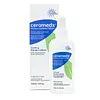
Water, Caprylic/Capric Triglyceride, Glycerin, Cetearyl Alcohol, Glyceryl Stearate Se, Ceramide NP, Lecithin, Alpha-Glucan Oligosaccharide, Ophiopogon Japonicus Root Extract, Coco-Caprylate/Caprate, Butyrospermum Parkii Butter, Glyceryl Linoleate, Glyceryl Linolenate, Dimethicone, Tocopherol, Glyceryl Oleate, Potassium Cetyl Phosphate, Panthenol, Allantoin, Algae Extract, Aloe Barbadensis Leaf Juice, Ulva Lactuca Extract, Yeast Extract, Ascorbic Acid, Hydrolyzed Soy Protein, Rosa Canina Fruit Oil, Xanthan Gum, Maltodextrin, Methylpropanediol, Didecyldimonium Chloride, Sorbitol, Polyquaternium-80, Caprylyl Glycol
Water
Skin ConditioningPropanediol
Solvent
Pentaerythrityl Tetraethylhexanoate
Emollient
Caprylic/Capric Triglyceride
Masking
Glycerin
Humectant
Helianthus Annuus Seed Oil
Emollient
Polyglyceryl-3 Methylglucose Distearate
Emulsifying
Butyrospermum Parkii Butter
Skin Conditioning
Cetearyl Alcohol
Emollient
Panthenol
Skin Conditioning
Madecassoside
Antioxidant
Camellia Sinensis Leaf Extract
Antimicrobial
Ceramide AP
Skin Conditioning
1,2-Hexanediol
Skin Conditioning
Potassium Carbomer
Emulsion StabilisingXanthan Gum
EmulsifyingButylene Glycol
Humectant
Disodium EDTA
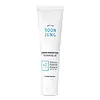
Water, Propanediol, Pentaerythrityl Tetraethylhexanoate, Caprylic/Capric Triglyceride, Glycerin, Helianthus Annuus Seed Oil, Polyglyceryl-3 Methylglucose Distearate, Butyrospermum Parkii Butter, Cetearyl Alcohol, Panthenol, Madecassoside, Camellia Sinensis Leaf Extract, Ceramide AP, 1,2-Hexanediol, Potassium Carbomer, Xanthan Gum, Butylene Glycol, Disodium EDTA
Reviews
Alternatives
Ingredients Explained
These ingredients are found in both products.
Ingredients higher up in an ingredient list are typically present in a larger amount.
This ingredient is also known as shea butter. It is an effective skin hydrator and emollient.
Emollients help soothe and soften your skin. It does this by creating a protective film on your skin. This barrier helps trap moisture and keeps your skin hydrated. Emollients may be effective at treating dry or itchy skin.
Shea butter is rich in antioxidants. Antioxidants help fight free-radicals, or molecules that may harm the body. It is also full of fatty acids including stearic acid and linoleic acid. These acids help replenish the skin and keep skin moisturized.
While Shea Butter has an SPF rating of about 3-4, it is not a sunscreen replacement.
Shea butter may not be fungal acne safe. We recommend speaking with a professional if you have any concerns.
Learn more about Butyrospermum Parkii ButterThis ingredient is an emollient, solvent, and texture enhancer. It is considered a skin-softener by helping the skin prevent moisture loss.
It helps thicken a product's formula and makes it easier to spread by dissolving clumping compounds.
Caprylic Triglyceride is made by combining glycerin with coconut oil, forming a clear liquid.
While there is an assumption Caprylic Triglyceride can clog pores due to it being derived from coconut oil, there is no research supporting this.
Learn more about Caprylic/Capric TriglycerideCetearyl alcohol is a mixture of two fatty alcohols: cetyl alcohol and stearyl alcohol. It is mainly used as an emulsifier. Emulsifiers help prevent the separation of oils and products. Due to its composition, it can also be used to thicken a product or help create foam.
Cetearyl alcohol is an emollient. Emollients help soothe and hydrate the skin by trapping moisture.
Studies show Cetearyl alcohol is non-toxic and non-irritating. The FDA allows products labeled "alcohol-free" to have fatty alcohols.
This ingredient is usually derived from plant oils such as palm, vegetable, or coconut oils. There is debate on whether this ingredient will cause acne.
Due to the fatty acid base, this ingredient may not be Malassezia folliculitis safe.
Learn more about Cetearyl AlcoholGlycerin is already naturally found in your skin. It helps moisturize and protect your skin.
A study from 2016 found glycerin to be more effective as a humectant than AHAs and hyaluronic acid.
As a humectant, it helps the skin stay hydrated by pulling moisture to your skin. The low molecular weight of glycerin allows it to pull moisture into the deeper layers of your skin.
Hydrated skin improves your skin barrier; Your skin barrier helps protect against irritants and bacteria.
Glycerin has also been found to have antimicrobial and antiviral properties. Due to these properties, glycerin is often used in wound and burn treatments.
In cosmetics, glycerin is usually derived from plants such as soybean or palm. However, it can also be sourced from animals, such as tallow or animal fat.
This ingredient is organic, colorless, odorless, and non-toxic.
Glycerin is the name for this ingredient in American English. British English uses Glycerol/Glycerine.
Learn more about GlycerinPanthenol is a common ingredient that helps hydrate and soothe the skin. It is found naturally in our skin and hair.
There are two forms of panthenol: D and L.
D-panthenol is also known as dexpanthenol. Most cosmetics use dexpanthenol or a mixture of D and L-panthenol.
Panthenol is famous due to its ability to go deeper into the skin's layers. Using this ingredient has numerous pros (and no cons):
Like hyaluronic acid, panthenol is a humectant. Humectants are able to bind and hold large amounts of water to keep skin hydrated.
This ingredient works well for wound healing. It works by increasing tissue in the wound and helps close open wounds.
Once oxidized, panthenol converts to pantothenic acid. Panthothenic acid is found in all living cells.
This ingredient is also referred to as pro-vitamin B5.
Learn more about PanthenolWater. It's the most common cosmetic ingredient of all. You'll usually see it at the top of ingredient lists, meaning that it makes up the largest part of the product.
So why is it so popular? Water most often acts as a solvent - this means that it helps dissolve other ingredients into the formulation.
You'll also recognize water as that liquid we all need to stay alive. If you see this, drink a glass of water. Stay hydrated!
Learn more about WaterXanthan gum is used as a stabilizer and thickener within cosmetic products. It helps give products a sticky, thick feeling - preventing them from being too runny.
On the technical side of things, xanthan gum is a polysaccharide - a combination consisting of multiple sugar molecules bonded together.
Xanthan gum is a pretty common and great ingredient. It is a natural, non-toxic, non-irritating ingredient that is also commonly used in food products.
Learn more about Xanthan Gum
