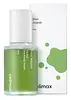
This anti-aging ampoule is formulated around Morinda Citrifolia Fruit Extract and Ceramide NP to soften the look of wrinkles and hydrate skin.
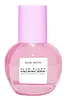
This hydrating serum is formulated around Sodium Acetylated Hyaluronate and Sodium Hyaluronate to hydrate skin and strengthen the skin barrier.


What's inside
What's inside
 Key Ingredients
Benefits
Concerns
Ingredients Side-by-side
Morinda Citrifolia Fruit Extract 71.77%
Skin Conditioning


Butylene Glycol
Humectant

Propanediol
Solvent
Glycerin
Humectant
1,2-Hexanediol
Skin Conditioning
Diethoxyethyl Succinate
SolventGlyceryl Acrylate/Acrylic Acid Copolymer
HumectantMorinda Citrifolia Seed Oil
Skin Conditioning


Ceramide NP
Skin Conditioning


Olea Europaea Fruit Oil
Masking


Butyrospermum Parkii Butter
Skin Conditioning
Squalane
Emollient
Rosmarinus Officinalis Leaf Oil
Masking
Melia Azadirachta Leaf Extract
Skin ConditioningMelia Azadirachta Flower Extract
Skin ConditioningTheobroma Cacao Extract
Skin ConditioningDextrin
AbsorbentPhytosphingosine
Skin Conditioning
Cholesterol
Emollient
Sodium Hyaluronate
Humectant
Hydrogenated Lecithin
Emulsifying
C12-13 Pareth-9
EmulsifyingSodium Polyacryloyldimethyl Taurate
Emulsion StabilisingCaprylic/Capric Triglyceride
Masking
Water
Skin ConditioningAllantoin
Skin Conditioning
Adenosine
Skin Conditioning
Disodium EDTA
ChelatingChlorphenesin
Antimicrobial
Morinda Citrifolia Fruit Extract 71.77%, Butylene Glycol, Propanediol, Glycerin, 1,2-Hexanediol, Diethoxyethyl Succinate, Glyceryl Acrylate/Acrylic Acid Copolymer, Morinda Citrifolia Seed Oil, Ceramide NP, Olea Europaea Fruit Oil, Butyrospermum Parkii Butter, Squalane, Rosmarinus Officinalis Leaf Oil, Melia Azadirachta Leaf Extract, Melia Azadirachta Flower Extract, Theobroma Cacao Extract, Dextrin, Phytosphingosine, Cholesterol, Sodium Hyaluronate, Hydrogenated Lecithin, C12-13 Pareth-9, Sodium Polyacryloyldimethyl Taurate, Caprylic/Capric Triglyceride, Water, Allantoin, Adenosine, Disodium EDTA, Chlorphenesin
Water
Skin ConditioningGlycerin
Humectant
Propanediol
Solvent
Pentylene Glycol
Skin Conditioning
Pleiogynium Timoriense Fruit Extract
Skin ConditioningPodocarpus Elatus Fruit Extract
Skin ConditioningTerminalia Ferdinandiana Fruit Extract
Antioxidant
Sodium Acetylated Hyaluronate
Humectant
Sodium Hyaluronate
Humectant
Tremella Fuciformis Polysaccharide
Emulsion Stabilising
Acacia Seyal Gum Extract
HumectantSr-Spider Polypeptide-1
Skin Protecting
Pantothenic Acid
Skin ConditioningPhospholipids
Skin Conditioning
Sodium Hydroxide
BufferingSpirulina Platensis Extract
Skin ProtectingRaphanus Sativus Root Extract
AstringentCaprylyl Glycol
Emollient
Chlorphenesin
Antimicrobial
Tetrasodium Glutamate Diacetate
ChelatingPolyglyceryl-6 Caprylate
EmulsifyingPolyglyceryl-4 Caprate
EmulsifyingPotassium Sorbate
Preservative
Propylene Glycol
Humectant
Leuconostoc/Radish Root Ferment Filtrate
Antimicrobial
1,2-Hexanediol
Skin Conditioning
Citric Acid
Buffering
Ethylhexylglycerin
Skin ConditioningHydroxyacetophenone
Antioxidant
Carrageenan
Xanthan Gum
EmulsifyingSodium Glycolate
BufferingSodium Formate
Buffering
Phenoxyethanol
Preservative
Parfum
Masking

Water, Glycerin, Propanediol, Pentylene Glycol, Pleiogynium Timoriense Fruit Extract, Podocarpus Elatus Fruit Extract, Terminalia Ferdinandiana Fruit Extract, Sodium Acetylated Hyaluronate, Sodium Hyaluronate, Tremella Fuciformis Polysaccharide, Acacia Seyal Gum Extract, Sr-Spider Polypeptide-1, Pantothenic Acid, Phospholipids, Sodium Hydroxide, Spirulina Platensis Extract, Raphanus Sativus Root Extract, Caprylyl Glycol, Chlorphenesin, Tetrasodium Glutamate Diacetate, Polyglyceryl-6 Caprylate, Polyglyceryl-4 Caprate, Potassium Sorbate, Propylene Glycol, Leuconostoc/Radish Root Ferment Filtrate, 1,2-Hexanediol, Citric Acid, Ethylhexylglycerin, Hydroxyacetophenone, Carrageenan, Xanthan Gum, Sodium Glycolate, Sodium Formate, Phenoxyethanol, Parfum
Reviews
Ingredients Explained
These ingredients are found in both products.
Ingredients higher up in an ingredient list are typically present in a larger amount.
1,2-Hexanediol is a synthetic liquid and another multi-functional powerhouse.
It is a:
- Humectant, drawing moisture into the skin
- Emollient, helping to soften skin
- Solvent, dispersing and stabilizing formulas
- Preservative booster, enhancing the antimicrobial activity of other preservatives
Chlorphenesin is a synthetic preservative. It helps protect a product against bacteria in order to extend shelf life. In most cases, Chlorphenesin is paired with other preservatives such as phenoxyethanol and caprylyl glycol.
Chlorphenesin is a biocide. This means it is able to help fight the microorganisms on our skin. It is also able to fight odor-releasing bacteria.
Chlorphenesin is soluble in both water and glycerin.
Studies show Chlorphenesin is easily absorbed by our skin. You should speak with a skincare professional if you have concerns about using Chlorphenesin.
Learn more about ChlorphenesinGlycerin (or glycerol) is a compound naturally found in your skin. It's a powerhouse humectant that pulls water into the stratum corneum.
Topically, glycerin does several things at once:
Your skin makes glycerin on its own (mostly from sebaceous oil breakdown) and shuttles it to your outermost layer of skin, or your epidermis, via aquaporin-3.
Aquaporin-3 is a transporter that is essential for normal skin hydration, elasticity, and repair. Interestingly, mice lacking in AQP3 have dry and less elastic skin that can be fully corrected with glycerin.
This ingredient is non-irritating, plays well with almost every ingredient, and works across all skin types. Typical use is anywhere between 3-10% but can go up to 79% in some leave-on products.
Just know very high concentrations (>40%) can feel tacky in low humidity.
Glycerin is the name for this ingredient in American English. British English uses Glycerol/Glycerine.
Learn more about GlycerinPropanediol is an all-star ingredient. It softens, hydrates, and smooths the skin.
It’s often used to:
Propanediol is not likely to cause sensitivity and considered safe to use. It is derived from corn or petroleum with a clear color and no scent.
Learn more about PropanediolSodium Hyaluronate is the salt form of hyaluronic acid. It is a long sugar chain that is naturally found in your skin, joints, and connective tissue that maintains hydration and elasticity.
In skincare, it works as a humectant. It pulls water from the environment and deeper layers of skin and binds it to the surface.
Interestingly, the size of the molecule affects its behavior:
Some clinical evidence links low molecular weight versions to improved wrinkle depth, elasticity, anti-inflammatory effects, and barrier repair.
Many serums use a blend of both weights so you can get surface hydration plus longer-lasting and deeper effects.
You'll typically see concentrations between 0.1-2% for this ingredient.
Learn more about Sodium HyaluronateWater. It's the most common cosmetic ingredient of all. You'll usually see it at the top of ingredient lists, meaning that it makes up the largest part of the product.
So why is it so popular? Water most often acts as a solvent - this means that it helps dissolve other ingredients into the formulation.
You'll also recognize water as that liquid we all need to stay alive. If you see this, drink a glass of water. Remember to stay hydrated!
Learn more about Water

