

What's inside
What's inside
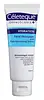 Key Ingredients
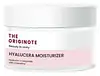
Benefits
Concerns
Ingredients Side-by-side
Water
Skin ConditioningDimethicone
Emollient

Glycerin
Humectant

Panthenol
Skin Conditioning

Hexylene Glycol
EmulsifyingPhenoxyethanol
Preservative
Carbomer
Emulsion StabilisingSodium Hydroxide
BufferingPentylene Glycol
Skin Conditioning
Disodium EDTA
Propylene Glycol
Humectant

Ethylhexylglycerin
Skin ConditioningAloe Barbadensis Leaf Extract
Emollient
4-T-Butylcyclohexanol
Masking
PEG-40 Hydrogenated Castor Oil
Emulsifying

Trideceth-9
EmulsifyingCitric Acid
Buffering

Hydroxyphenyl Propamidobenzoic Acid
Skin ConditioningLavandula Angustifolia Flower/Leaf/Stem Extract
Masking
Bisabolol
Antioxidant
Water, Dimethicone, Glycerin, Panthenol, Hexylene Glycol, Phenoxyethanol, Carbomer, Sodium Hydroxide, Pentylene Glycol, Disodium EDTA, Propylene Glycol, Ethylhexylglycerin, Aloe Barbadensis Leaf Extract, 4-T-Butylcyclohexanol, PEG-40 Hydrogenated Castor Oil, Trideceth-9, Citric Acid, Hydroxyphenyl Propamidobenzoic Acid, Lavandula Angustifolia Flower/Leaf/Stem Extract, Bisabolol
Water
Skin ConditioningGlycerin
Humectant
Butylene Glycol
Humectant
Glycereth-26
Humectant
1,2-Hexanediol
Skin Conditioning
Hydroxyacetophenone
Antioxidant
Acrylates/C10-30 Alkyl Acrylate Crosspolymer
Emulsion StabilisingPanthenol
Skin Conditioning
Hydroxyethylpiperazine Ethane Sulfonic Acid
BufferingDiglycerin
Humectant
Propylene Glycol
Humectant
Triethanolamine
BufferingMethylpropanediol
SolventSodium Hyaluronate
Humectant

Allantoin
Skin Conditioning
Glucose
Humectant
Sophora Angustifolia Root Extract
Skin ConditioningStephania Tetrandra Root Extract
Skin ConditioningHydrolyzed Hyaluronic Acid
Humectant
Cnidium Monnieri Fruit Extract
HumectantGlycyrrhiza Uralensis Root Extract
Skin Conditioning
Phellodendron Amurense Bark Extract
Skin ConditioningPhenoxyethanol
Preservative
Caprylic/Capric Triglyceride
Masking
Chlorella Vulgaris Extract
Skin ConditioningSpirulina Platensis Extract
Skin ProtectingHydrogenated Lecithin
Emulsifying
Chlorphenesin
Antimicrobial
Hexylene Glycol
EmulsifyingStearic Acid
Cleansing
Cholesterol
Emollient
Ceramide NP
Skin Conditioning
Water, Glycerin, Butylene Glycol, Glycereth-26, 1,2-Hexanediol, Hydroxyacetophenone, Acrylates/C10-30 Alkyl Acrylate Crosspolymer, Panthenol, Hydroxyethylpiperazine Ethane Sulfonic Acid, Diglycerin, Propylene Glycol, Triethanolamine, Methylpropanediol, Sodium Hyaluronate, Allantoin, Glucose, Sophora Angustifolia Root Extract, Stephania Tetrandra Root Extract, Hydrolyzed Hyaluronic Acid, Cnidium Monnieri Fruit Extract, Glycyrrhiza Uralensis Root Extract, Phellodendron Amurense Bark Extract, Phenoxyethanol, Caprylic/Capric Triglyceride, Chlorella Vulgaris Extract, Spirulina Platensis Extract, Hydrogenated Lecithin, Chlorphenesin, Hexylene Glycol, Stearic Acid, Cholesterol, Ceramide NP
Reviews
Ingredients Explained
These ingredients are found in both products.
Ingredients higher up in an ingredient list are typically present in a larger amount.
Glycerin (or glycerol) is a compound naturally found in your skin. It's a powerhouse humectant that pulls water into the stratum corneum.
Topically, glycerin does several things at once:
Your skin makes glycerin on its own (mostly from sebaceous oil breakdown) and shuttles it to your outermost layer of skin, or your epidermis, via aquaporin-3.
Aquaporin-3 is a transporter that is essential for normal skin hydration, elasticity, and repair. Interestingly, mice lacking in AQP3 have dry and less elastic skin that can be fully corrected with glycerin.
This ingredient is non-irritating, plays well with almost every ingredient, and works across all skin types. Typical use is anywhere between 3-10% but can go up to 79% in some leave-on products.
Just know very high concentrations (>40%) can feel tacky in low humidity.
Glycerin is the name for this ingredient in American English. British English uses Glycerol/Glycerine.
Learn more about GlycerinHexylene Glycol is a multitasker ingredient that works as a solvent, humectant, emulsifier, viscosity reducer, and preservative booster.
It is able to dissolve both water and oil-soluble ingredients to stabilize tricky actives and make products spread more easily.
As a humectant, it pulls water into the skin. But it's a pretty minor moisturizing ingredient compared to other humectants, like glycerin.
Interestingly, it can act as a mild penetration enhancer. One in vitro study on human skin found a 12% concentration upped the absorption of mometasone furoate (a medicinal ingredient used to treat inflammatory skin conditions) up to 7%.
This ingredient is typically used at levels of 0.1-10% depending on the role it's playing.
A patch test study on eczema patients didn't find a significant increase in irritation versus the control group, but the potential for irritation rises at higher concentrations.
Learn more about Hexylene GlycolPanthenol is a common ingredient that helps hydrate and soothe the skin. It is found naturally in our skin and hair.
There are two forms of panthenol: D and L.
D-panthenol is also known as dexpanthenol. Most cosmetics use dexpanthenol or a mixture of D and L-panthenol.
Panthenol is famous due to its ability to go deeper into the skin's layers. Using this ingredient has numerous pros (and no cons):
Like hyaluronic acid, panthenol is a humectant. Humectants are able to bind and hold large amounts of water to keep skin hydrated.
This ingredient works well for wound healing. It works by increasing tissue in the wound and helps close open wounds.
Once oxidized, panthenol converts to pantothenic acid. Panthothenic acid is found in all living cells.
This ingredient is also referred to as pro-vitamin B5.
Learn more about PanthenolPhenoxyethanol is a preservative that has germicide, antimicrobial, and aromatic properties. Studies show that phenoxyethanol can prevent microbial growth. By itself, it has a scent that is similar to that of a rose.
It's often used in formulations along with Caprylyl Glycol to preserve the shelf life of products.
Propylene Glycol is a synthetic, colorless, odorless liquid that has been a staple in cosmetics for decades. It is a skin conditioning agent, humectant, and solvent.
As a humectant, it draw water to the skin to reduce flaking and restore suppleness. It's also a solvent that helps dissolve other actives and keeps formulas stable across temperature changes.
The CIR Expert Panel has confirmed this ingredient to be nontoxic and clinical studies show no sensitization at cosmetic use concentrations.
True allergic reactions are quite rare: a 15-year retrospective study of 6,751 patients found only 0.31% had a positive reaction (and less than half were considered clinically relevant).
It seemed that when sensitization does occur, it's most commonly linked to topical medication (like corticosteroids) and not cosmetics. Allergic contact dermatitis also appears largely limited to individuals with underlying skin conditions.
Overall, propylene glycol is a well-studied ingredient that most people can tolerate without issue.
Learn more about Propylene GlycolWater. It's the most common cosmetic ingredient of all. You'll usually see it at the top of ingredient lists, meaning that it makes up the largest part of the product.
So why is it so popular? Water most often acts as a solvent - this means that it helps dissolve other ingredients into the formulation.
You'll also recognize water as that liquid we all need to stay alive. If you see this, drink a glass of water. Remember to stay hydrated!
Learn more about Water
