
What's inside
What's inside
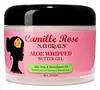 Key Ingredients
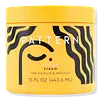
No key ingredients
Benefits
Concerns
Ingredients Side-by-side
Aloe Barbadensis Leaf Water
MaskingAloe Barbadensis Leaf Extract
Emollient


Cetearyl Alcohol
Emollient






Behentrimonium Methosulfate
SurfactantRicinus Communis Seed Oil
Masking

Macadamia Ternifolia Seed Oil
Emollient
Persea Gratissima Oil
Skin Conditioning
Prunus Amygdalus Dulcis Oil
Skin Conditioning
Simmondsia Chinensis Seed Oil
Emollient

Cetyl Alcohol
Emollient
Camellia Sinensis Leaf Extract
Antimicrobial




Ulmus Fulva Bark Extract
MoisturisingRosmarinus Officinalis Leaf Extract
AntimicrobialTocopheryl Acetate
Antioxidant
Ascorbic Acid
Antioxidant


Panthenol
Skin Conditioning
Phenoxyethanol
Preservative
Caprylyl Glycol
Emollient
Parfum
Masking

Aloe Barbadensis Leaf Water, Aloe Barbadensis Leaf Extract, Cetearyl Alcohol, Behentrimonium Methosulfate, Ricinus Communis Seed Oil, Macadamia Ternifolia Seed Oil, Persea Gratissima Oil, Prunus Amygdalus Dulcis Oil, Simmondsia Chinensis Seed Oil, Cetyl Alcohol, Camellia Sinensis Leaf Extract, Ulmus Fulva Bark Extract, Rosmarinus Officinalis Leaf Extract, Tocopheryl Acetate, Ascorbic Acid, Panthenol, Phenoxyethanol, Caprylyl Glycol, Parfum
Water
Skin ConditioningButyrospermum Parkii Butter
Skin Conditioning
Cetearyl Alcohol
Emollient
Glycerin
Humectant
Ceteareth-20
Cleansing
Polysorbate 60
Emulsifying
PEG-40 Hydrogenated Castor Oil
Emulsifying
PEG-120 Methyl Glucose Dioleate
Emulsifying
Cocos Nucifera Oil
Masking
Phenoxyethanol
Preservative
Hydroxyethylcellulose
Emulsion StabilisingPrunus Amygdalus Dulcis Oil
Skin Conditioning
Theobroma Cacao Seed Butter
Emollient
Parfum
Masking
Disodium EDTA
ChelatingCitric Acid
Buffering
Ethylhexylglycerin
Skin ConditioningAloe Barbadensis Leaf Extract
Emollient
Sodium Benzoate
Masking
Sodium Sulfite
Preservative
Potassium Sorbate
Preservative
Cocos Nucifera Fruit Extract
Emollient
PEG-60 Hydrogenated Castor Oil
Emulsifying
Rosmarinus Officinalis Leaf Extract
AntimicrobialHelianthus Annuus Seed Oil
Emollient
Phenethyl Alcohol
MaskingCaprylyl Glycol
Emollient
Caryodendron Orinocense Seed Oil
Emollient
Hydrolyzed Wheat Protein
Skin ConditioningWater, Butyrospermum Parkii Butter, Cetearyl Alcohol, Glycerin, Ceteareth-20, Polysorbate 60, PEG-40 Hydrogenated Castor Oil, PEG-120 Methyl Glucose Dioleate, Cocos Nucifera Oil, Phenoxyethanol, Hydroxyethylcellulose, Prunus Amygdalus Dulcis Oil, Theobroma Cacao Seed Butter, Parfum, Disodium EDTA, Citric Acid, Ethylhexylglycerin, Aloe Barbadensis Leaf Extract, Sodium Benzoate, Sodium Sulfite, Potassium Sorbate, Cocos Nucifera Fruit Extract, PEG-60 Hydrogenated Castor Oil, Rosmarinus Officinalis Leaf Extract, Helianthus Annuus Seed Oil, Phenethyl Alcohol, Caprylyl Glycol, Caryodendron Orinocense Seed Oil, Hydrolyzed Wheat Protein
Ingredients Explained
These ingredients are found in both products.
Ingredients higher up in an ingredient list are typically present in a larger amount.
Aloe Barbadensis Leaf Extract is a botanical extract pulled from the leaves of aloe vera and one of the most studied plant ingredients in cosmetics.
The inner leaf gel it comes from is mostly water (~99-99.5%) and the remaining fraction is made up of pretty good stuff: polysaccharides, vitamins, phenolics, and enzymes.
Its headline job is hydration.
The star polysaccharide in aloe, acemannan, is a humectant that retains moisture and helps reduce trans-epidermal water loss.
Aloe also has real soothing credentials; it contains anti-inflammatory compounds like bradykinase and C-glucosyl chromone that help calm irritation and redness.
On the repair side, lab work shows that acemannan wakes up your skin's repair cells (fibroblasts), prompting them to multiply and speed up healing.
There's some human data for cosmetic benefit too: a cream containing 10% Aloe Barbadensis leaf extract improved skin hydration and elasticity in a real-use study.
Safety-wise, this ingredient is well-regarded with just one rare downside; there have been some case reports of acute eczema, contact urticaria, and dermatitis in people who applied aloe-derived ingredients topically. Those with a known aloe or Liliaceae sensitivity should patch test.
Typical use levels range widely, from under 1% up to 90%+ depending on the format and the effect you are after.
Learn more about Aloe Barbadensis Leaf ExtractCaprylyl Glycol is a humectant, skin conditioner, emollient, and preservative booster derived from either caprylic acid or synthetically created.
Typical use levels vary from 0.3-1% as a preservative booster and go up to 2% to condition skin.
Because it is not a free-fatty acid, this ingredient is fungal acne safe (there's nothing for Malassezia to feed on).
Learn more about Caprylyl GlycolCetearyl alcohol is a waxy mixture of two fatty alcohols: cetyl alcohol and stearyl alcohol. It is an emollient and emulsifier.
Despite having "alcohol" in its name, it has nothing to do with drying solvent alcohols; the FDA also allows "alcohol-free" products to contain fatty alcohols like this ingredient.
It plays several roles in a formula:
Typical use levels for this ingredient sit around 1-10% and the Cosmetic Ingredient Review Expert Panel has affirmed safety at concentrations up to 25% in leave-on products.
Multiple assessments have found it to be non-irritating and non-sensitizing to most people.
However, there have been some cases of allergic contact dermatitis in patients with chronically compromised skin barriers.
Cetearyl alcohol has a comedogenic rating of 2 and irritancy rating of 1. Both of these numbers come from the 1989 study that used rabbit ears; a "2" means mildly comedogenic and a "1" means low irritancy.
Here's the catch: rabbit skin is more sensitive than human skin and throws a lot of false positives. A 1996 reappraisal found that ingredients rated 1-2 in the rabbit ear tests are generally safe for humans.
Remember comedogenic ratings are unable to assess the entire formula of a product or how it will react on your skin. Just be sure to patch test if you are unsure about certain ingredients.
This ingredient is not fungal acne safe. Cetearyl alcohol is a fatty alcohol with chain lengths that fall within the range that Malassezia can metabolize.
A 2019 study has also observed Malassezia growth in the presence of this ingredient, confirming it to be not-fungal acne safe.
Learn more about Cetearyl AlcoholParfum is a catch-all term for an ingredient or more that is used to give a scent to products.
Also called "fragrance", this ingredient can be a blend of hundreds of chemicals or plant oils. This means every product with "fragrance" or "parfum" in the ingredients list is a different mixture.
For instance, Habanolide is a proprietary trade name for a specific aroma chemical. When used as a fragrance ingredient in cosmetics, most aroma chemicals fall under the broad labeling category of “FRAGRANCE” or “PARFUM” according to EU and US regulations.
The term 'parfum' or 'fragrance' is not regulated in many countries. In many cases, it is up to the brand to define this term.
For instance, many brands choose to label themselves as "fragrance-free" because they are not using synthetic fragrances. However, their products may still contain ingredients such as essential oils that are considered a fragrance by INCI standards.
One example is Calendula flower extract. Calendula is an essential oil that still imparts a scent or 'fragrance'.
Depending on the blend, the ingredients in the mixture can cause allergies and sensitivities on the skin. Some ingredients that are known EU allergens include linalool and citronellol.
Parfum can also be used to mask or cover an unpleasant scent.
The bottom line is: not all fragrances/parfum/ingredients are created equally. If you are worried about fragrances, we recommend taking a closer look at an ingredient. And of course, we always recommend speaking with a professional.
Learn more about ParfumPhenoxyethanol is one of the most widely used preservatives in skincare (and for good reason!).
It has a large spectrum of antimicrobial activity and especially effective bacteria, yeast, and mold while only having a weak effect on your skin's natural microbiome.
On a cellular level, it disrupts the cell membranes of microbes by poking holes that make the cell leak. This shuts down the chemical reactions the microbe needs to make energy so it can no longer survive.
Another perk of this ingredient is that it stays functional across a wide pH range (3-10).
You'll often see it paired with boosters like Ethylhexylglycerin; one study showed that a 1:9 ratio of Ethylhexylglycerin to Phenoxyethanol damages bacterial membranes as effectively as doubling the Phenoxyethanol concentration on its own.
Typical use concentrations range from 0.3-1% depending on the formula, and this ingredient is capped at 1% int the EU.
Safety-wise, the fear mongering does not hold up to the evidence. The EU's Scientific Committee on Consumer Safety and FDA consider it safe as a preservative at up to 1%, including for children of all ages.
Adverse systemic effects only showed up in animal studies at exposures roughly 200x higher than what people get from cosmetics. And despite its very widespread use, this ingredient is a rare sensitizer and allergic reactions are uncommon.
Learn more about PhenoxyethanolThis ingredient is also known as sweet almond oil. It is a lightweight, cold-pressed oil from the ripe seeds of the sweet almond tree.
Sweet almond oil is rich in skin-nourishing fatty acids such as oleic acid (55-86%) and linolenic acid (7-35%).
As an emollient, it softens and hydrates skin by forming a thin barrier that locks in moisture.
Clinical studies have found it to be non-irritating and non-sensitizing. The CIR Expert Panel has evaluated the available safety data and concluded it is safe for topical use.
Because of the oleic acid content, this ingredient may not be fungal acne safe.
Learn more about Prunus Amygdalus Dulcis OilThis is a botanical extract from the rosemary plant (the same one you cook with). In skincare, it mostly works as a skin conditioning agent.
Its activity comes from a handful of polyphenols, carnosic acid, carnosol, and rosmarinic acid. Almost 90% of the antioxidant activity of this ingredient can be attributed to canosol and carnosic acid.
These compounds protect your skin two ways:
1) They fight off free radicals, or the unstable molecules from things like sun and pollution that age and damage skin.
2) They help calm inflammation by switching off the chemical signals that tell skin to get red and irritated.
Lab studies also suggest that rosmarinic acid may help protect collagen and slow sugar-related damage to it.
The Cosmetic Ingredient Review has concluded rosemary-derived ingredients to be safe when formulated to be non-sensitizing.
Rosemary can occasionally cause allergic contact dermatitis (due to carnosol), so be sure to patch test if you have reactive or fragrance-sensitive skin.
Learn more about Rosmarinus Officinalis Leaf Extract

