
What's inside
What's inside
 Key Ingredients
Benefits
Concerns
Ingredients Side-by-side
Methyl Methacrylate Crosspolymer
Polyethylene
Abrasive
Caprylyl Methicone
Skin Conditioning
Ethylhexyl Palmitate
Emollient


Coco-Caprylate/Caprate
Emollient
Dicaprylyl Carbonate
EmollientSynthetic Fluorphlogopite
Dibutyl Adipate
EmollientButyloctyl Salicylate
Skin Conditioning
Neopentyl Glycol Diheptanoate
EmollientDiethylamino Hydroxybenzoyl Hexyl Benzoate
UV Filter
Vinyl Dimethicone/Methicone Silsesquioxane Crosspolymer
Ethylhexyl Triazone
UV Absorber
Ozokerite
Emulsion StabilisingVinyldimethicone
Polysilicone-15
UV Filter
Bis-Ethylhexyloxyphenol Methoxyphenyl Triazine
Skin Conditioning
Bakuchiol
Antimicrobial






Ceresin
Emulsion StabilisingGlyceryl Caprylate
EmollientPolyglyceryl-4 Diisostearate/Polyhydroxystearate/Sebacate
Emulsifying
Triethoxycaprylylsilane
4-Terpineol
Masking
Tocopherol
Antioxidant



Niacinamide
Smoothing


Ascorbic Acid Polypeptide
Antioxidant


Caffeine
Skin Conditioning
Water
Skin ConditioningButylene Glycol
Humectant
Glycerin
Humectant
1,2-Hexanediol
Skin Conditioning
Caprylyl Glycol
Emollient
Nonapeptide-1
Skin Conditioning
Acetyl Hexapeptide-8
Humectant
Copper Tripeptide-1
Skin Conditioning
Tripeptide-1
Skin Conditioning
Palmitoyl Tetrapeptide-7
Skin Conditioning
Palmitoyl Tripeptide-1
Skin Conditioning
Palmitoyl Pentapeptide-4
Skin Conditioning
Hexapeptide-9
Skin Conditioning
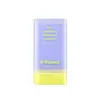
Methyl Methacrylate Crosspolymer, Polyethylene, Caprylyl Methicone, Ethylhexyl Palmitate, Coco-Caprylate/Caprate, Dicaprylyl Carbonate, Synthetic Fluorphlogopite, Dibutyl Adipate, Butyloctyl Salicylate, Neopentyl Glycol Diheptanoate, Diethylamino Hydroxybenzoyl Hexyl Benzoate, Vinyl Dimethicone/Methicone Silsesquioxane Crosspolymer, Ethylhexyl Triazone, Ozokerite, Vinyldimethicone, Polysilicone-15, Bis-Ethylhexyloxyphenol Methoxyphenyl Triazine, Bakuchiol, Ceresin, Glyceryl Caprylate, Polyglyceryl-4 Diisostearate/Polyhydroxystearate/Sebacate, Triethoxycaprylylsilane, 4-Terpineol, Tocopherol, Niacinamide, Ascorbic Acid Polypeptide, Caffeine, Water, Butylene Glycol, Glycerin, 1,2-Hexanediol, Caprylyl Glycol, Nonapeptide-1, Acetyl Hexapeptide-8, Copper Tripeptide-1, Tripeptide-1, Palmitoyl Tetrapeptide-7, Palmitoyl Tripeptide-1, Palmitoyl Pentapeptide-4, Hexapeptide-9
Aloe Barbadensis Leaf Water
MaskingDiethylhexyl Succinate
EmollientPropanediol
Solvent
Water
Skin ConditioningDrometrizole Trisiloxane
UV Absorber
Ethylhexyl Triazone
UV Absorber
Niacinamide
Smoothing
Diethylamino Hydroxybenzoyl Hexyl Benzoate
UV Filter
Terephthalylidene Dicamphor Sulfonic Acid
UV Absorber
1,2-Hexanediol
Skin Conditioning
Behenyl Alcohol
Emollient
Methyl Trimethicone
Skin Conditioning
Sodium Polyacryloyldimethyl Taurate
Emulsion StabilisingHamamelis Virginiana Leaf Water
Astringent
Tromethamine
BufferingPolyacrylate Crosspolymer-6
Emulsion StabilisingArachidyl Alcohol
EmollientCaprylyl Glycol
Emollient
Ethylhexylglycerin
Skin ConditioningArachidyl Glucoside
EmulsifyingSodium Metaphosphate
BufferingAdenosine
Skin Conditioning
Tocopherol
Antioxidant
Sodium Hyaluronate
Humectant
Allantoin
Skin Conditioning
Citric Acid
Buffering

Sodium Benzoate
Masking
Potassium Sorbate
Preservative
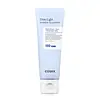
Aloe Barbadensis Leaf Water, Diethylhexyl Succinate, Propanediol, Water, Drometrizole Trisiloxane, Ethylhexyl Triazone, Niacinamide, Diethylamino Hydroxybenzoyl Hexyl Benzoate, Terephthalylidene Dicamphor Sulfonic Acid, 1,2-Hexanediol, Behenyl Alcohol, Methyl Trimethicone, Sodium Polyacryloyldimethyl Taurate, Hamamelis Virginiana Leaf Water, Tromethamine, Polyacrylate Crosspolymer-6, Arachidyl Alcohol, Caprylyl Glycol, Ethylhexylglycerin, Arachidyl Glucoside, Sodium Metaphosphate, Adenosine, Tocopherol, Sodium Hyaluronate, Allantoin, Citric Acid, Sodium Benzoate, Potassium Sorbate
Reviews
Ingredients Explained
These ingredients are found in both products.
Ingredients higher up in an ingredient list are typically present in a larger amount.
1,2-Hexanediol is a synthetic liquid and another multi-functional powerhouse.
It is a:
- Humectant, drawing moisture into the skin
- Emollient, helping to soften skin
- Solvent, dispersing and stabilizing formulas
- Preservative booster, enhancing the antimicrobial activity of other preservatives
Caprylyl Glycol is a humectant and emollient, meaning it attracts and preserves moisture.
It is a common ingredient in many products, especially those designed to hydrate skin. The primary benefits are retaining moisture, skin softening, and promoting a healthy skin barrier.
Though Caprylyl Glycol is an alcohol derived from fatty acids, it is not the kind that can dry out skin.
This ingredient is also used as a preservative to extend the life of products. It has slight antimicrobial properties.
Learn more about Caprylyl GlycolDiethylamino Hydroxybenzoyl Hexyl Benzoate (DHHB) is a chemical UV-A absorber. It is formulated for high UVA protection (320-400 nm).
DHHB is well-liked for:
DHHB has been approved by the EU, Japan, Taiwan, and South America for use up to 10%. Unfortunately, it has not been approved for use in the US or Canada due to slow regulatory processes.
This ingredient is soluble in oils, fats, and lipids.
Learn more about Diethylamino Hydroxybenzoyl Hexyl BenzoateEthylhexyl Triazone is a modern chemical sunscreen that protects from UV-B radiation.
It is the most effective of existing UV-B filters, as it provides the highest level of photo-stable absorption. It protects from the entire UV-B range (280 to 320nm), with it's highest level of protection at 314nm.
Ethylhexyl Triazone is oil soluble, oderless and colorless, which mean it is able to be incorporated into a variety of different formulations.
It is not currently available within the United States due to slow changing FDA regulations. Outside of the US, it is used in formulations at concentrations up to 5%.
Learn more about Ethylhexyl TriazoneNiacinamide is a multitasking form of vitamin B3 that strengthens the skin barrier, reduces pores and dark spots, regulates oil, and improves signs of aging.
And the best part? It's gentle and well-tolerated by most skin types, including sensitive and reactive skin.
You might have heard of "niacin flush", or the reddening of skin that causes itchiness. Niacinamide has not been found to cause this.
In very rare cases, some individuals may not be able to tolerate niacinamide at all or experience an allergic reaction to it.
If you are experiencing flaking, irritation, and dryness with this ingredient, be sure to double check all your products as this ingredient can be found in all categories of skincare.
When incorporating niacinamide into your routine, look out for concentration amounts. Typically, 5% niacinamide provides benefits such as fading dark spots. However, if you have sensitive skin, it is better to begin with a smaller concentration.
When you apply niacinamide to your skin, your body converts it into nicotinamide adenine dinucleotide (NAD). NAD is an essential coenzyme that is already found in your cells as "fuel" and powers countless biological processes.
In your skin, NAD helps repair cell damage, produce new healthy cells, support collagen production, strengthen the skin barrier, and fight environmental stressors (like UV and pollution).
Our natural NAD levels start to decline with age, leading to slower skin repair, visible aging, and a weaker skin barrier. By providing your skin niacinamide, you're recharging your skin's NAD levels. This leads to stronger, healthier, and younger looking skin.
Another name for vitamin B3 is nicotinamide. This vitamin is water-soluble and our bodies don't store it. We obtain Vitamin B3 from either food or skincare. Meat, fish, wheat, yeast, and leafy greens contain vitamin B3.
The type of niacinamide used in skincare is synthetically created.
Learn more about NiacinamideTocopherol (also known as Vitamin E) is a common antioxidant used to help protect the skin from free-radicals and strengthen the skin barrier. It's also fat soluble - this means our skin is great at absorbing it.
Vitamin E also helps keep your natural skin lipids healthy. Your lipid skin barrier naturally consists of lipids, ceramides, and fatty acids. Vitamin E offers extra protection for your skin’s lipid barrier, keeping your skin healthy and nourished.
Another benefit is a bit of UV protection. Vitamin E helps reduce the damage caused by UVB rays. (It should not replace your sunscreen). Combining it with Vitamin C can decrease sunburned cells and hyperpigmentation after UV exposure.
You might have noticed Vitamin E + C often paired together. This is because it is great at stabilizing Vitamin C. Using the two together helps increase the effectiveness of both ingredients.
There are often claims that Vitamin E can reduce/prevent scarring, but these claims haven't been confirmed by scientific research.
Learn more about TocopherolWater. It's the most common cosmetic ingredient of all. You'll usually see it at the top of ingredient lists, meaning that it makes up the largest part of the product.
So why is it so popular? Water most often acts as a solvent - this means that it helps dissolve other ingredients into the formulation.
You'll also recognize water as that liquid we all need to stay alive. If you see this, drink a glass of water. Stay hydrated!
Learn more about Water
