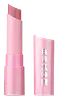
This barrier-repair lip moisturizer is formulated around Ceramide NP and Palmitoyl Tripeptide-38 to strengthen the lip barrier and hydrate lips.

What's inside
What's inside
 Key Ingredients
Benefits
Concerns
Ingredients Side-by-side
Caprylic/Capric Triglyceride
Masking


Ricinus Communis Seed Oil
Masking



Simmondsia Chinensis Seed Oil
Emollient
Euphorbia Cerifera Wax
Dimer Dilinoleyl Dimer Dilinoleate
EmollientSynthetic Wax
Abrasive

Raphanus Sativus Seed Extract
Skin ConditioningButyrospermum Parkii Butter
Skin Conditioning

Oleic/Linoleic/Linolenic Polyglycerides
Emollient
Polyethylene
Abrasive
Rhus Verniciflua Peel Wax
Dicalcium Phosphate
Abrasive
Aroma

Hydrolyzed Sodium Hyaluronate
Skin Conditioning
Sodium Hyaluronate
Humectant


Rosmarinus Officinalis Leaf Extract
AntimicrobialHelianthus Annuus Seed Oil
Emollient
Olea Europaea Fruit Oil
Masking
Sodium Saccharin
MaskingTocopherol
Antioxidant



Ethyl Vanillin
MaskingMenthol
Masking


Ethylhexyl Palmitate
Emollient
Hydrogenated Castor Oil
Emollient
Polyglyceryl-4 Oleate
Emulsifying
Disteardimonium Hectorite
StabilisingTribehenin
Emollient
Menthyl Lactate
Masking
Glyceryl Olivate
Emollient
Linolenic Acid
Cleansing
Sorbitan Isostearate
Emulsifying
Palmitoyl Hexapeptide-12
Skin Conditioning
Limonene
Perfuming
CI 15850
Cosmetic ColorantCI 77891
Cosmetic ColorantCI 45410
Cosmetic ColorantCI 42090
Cosmetic ColorantIron Oxides
CI 15985
Cosmetic ColorantCI 19140
Cosmetic ColorantCaprylic/Capric Triglyceride, Ricinus Communis Seed Oil, Simmondsia Chinensis Seed Oil, Euphorbia Cerifera Wax, Dimer Dilinoleyl Dimer Dilinoleate, Synthetic Wax, Raphanus Sativus Seed Extract, Butyrospermum Parkii Butter, Oleic/Linoleic/Linolenic Polyglycerides, Polyethylene, Rhus Verniciflua Peel Wax, Dicalcium Phosphate, Aroma, Hydrolyzed Sodium Hyaluronate, Sodium Hyaluronate, Rosmarinus Officinalis Leaf Extract, Helianthus Annuus Seed Oil, Olea Europaea Fruit Oil, Sodium Saccharin, Tocopherol, Ethyl Vanillin, Menthol, Ethylhexyl Palmitate, Hydrogenated Castor Oil, Polyglyceryl-4 Oleate, Disteardimonium Hectorite, Tribehenin, Menthyl Lactate, Glyceryl Olivate, Linolenic Acid, Sorbitan Isostearate, Palmitoyl Hexapeptide-12, Limonene, CI 15850, CI 77891, CI 45410, CI 42090, Iron Oxides, CI 15985, CI 19140
Hydrogenated Polyisobutene
EmollientEthylene/Propylene/Styrene Copolymer
Butylene/Ethylene/Styrene Copolymer
Oryza Sativa Bran Wax
Skin Conditioning
Ceramide NP
Skin Conditioning
Ceramide AP
Skin Conditioning
Ceramide EOP
Skin Conditioning
Palmitoyl Tripeptide-38
Skin Conditioning
Sodium Hyaluronate
Humectant
Hydrolyzed Sodium Hyaluronate
Skin Conditioning
Tocopheryl Acetate
Antioxidant
Ergothioneine
Antioxidant
Glycerin
Humectant
Phytosphingosine
Skin Conditioning
Cholesterol
Emollient
Portulaca Pilosa Extract
Skin ConditioningSucrose Cocoate
Emulsifying
Panthenol
Skin Conditioning
Sodium Lauroyl Lactylate
EmulsifyingCarbomer
Emulsion StabilisingXanthan Gum
EmulsifyingCetearyl Ethylhexanoate
Emollient
Sorbitan Isostearate
Emulsifying
Mentha Arvensis Leaf Oil
Masking
Mentha Piperita Flower/Leaf/Stem Oil
Skin Conditioning
Water
Skin ConditioningHydrogenated Polyisobutene, Ethylene/Propylene/Styrene Copolymer, Butylene/Ethylene/Styrene Copolymer, Oryza Sativa Bran Wax, Ceramide NP, Ceramide AP, Ceramide EOP, Palmitoyl Tripeptide-38, Sodium Hyaluronate, Hydrolyzed Sodium Hyaluronate, Tocopheryl Acetate, Ergothioneine, Glycerin, Phytosphingosine, Cholesterol, Portulaca Pilosa Extract, Sucrose Cocoate, Panthenol, Sodium Lauroyl Lactylate, Carbomer, Xanthan Gum, Cetearyl Ethylhexanoate, Sorbitan Isostearate, Mentha Arvensis Leaf Oil, Mentha Piperita Flower/Leaf/Stem Oil, Water
Reviews
Alternatives
Ingredients Explained
These ingredients are found in both products.
Ingredients higher up in an ingredient list are typically present in a larger amount.
This ingredient is created by putting sodium hyaluronate through hydrolysis.
You might know this as 'mini' or 'ultra low-molecular weight' hyaluronic acid. The small molecule size means it is able to travel deeper in the skin.
According to studies, low molecular-weight hyaluronic acid can:
One study from 2011 found ultra-low weight HA to show pro-inflammatory properties. Another study from 2022 found it to downregulate UV-B induced inflammation.
Hydrolysis is a process of changing a molecule using water or enzymes.
This ingredient is water-soluble.
Learn more about Hydrolyzed Sodium HyaluronateSodium Hyaluronate is the salt form of hyaluronic acid. It is a long sugar chain that is naturally found in your skin, joints, and connective tissue that maintains hydration and elasticity.
In skincare, it works as a humectant. It pulls water from the environment and deeper layers of skin and binds it to the surface.
Interestingly, the size of the molecule affects its behavior:
Some clinical evidence links low molecular weight versions to improved wrinkle depth, elasticity, anti-inflammatory effects, and barrier repair.
Many serums use a blend of both weights so you can get surface hydration plus longer-lasting and deeper effects.
You'll typically see concentrations between 0.1-2% for this ingredient.
Learn more about Sodium HyaluronateSorbitan Isostearate is an emulsifer. It is created from isostearic acid and sorbitol.
As an emulsifier, it keeps the water and oil ingredients from separating. This keeps formulas stable and smooth.
In a 24 hour occlusive patch test on 56 subjects, 10% sorbitan isostearate was completely non-irritating. Most formulas use less than 10%.
Because it's a fatty acid ester, it may not be fungal acne safe since the Malassezia yeast can utilize it as a nutrient source.
Learn more about Sorbitan Isostearate

