

What's inside
What's inside
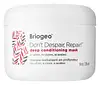 Benefits
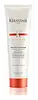
Concerns
Ingredients Side-by-side
Water
Skin ConditioningCetyl Alcohol
Emollient



Brassica Alcohol
Emollient
Propanediol
Solvent

Stearyl Alcohol
Emollient
Cetearyl Alcohol
Emollient


Persea Gratissima Oil
Skin Conditioning
Prunus Amygdalus Dulcis Oil
Skin Conditioning
Rosa Canina Fruit Oil
Emollient
Argania Spinosa Kernel Oil
Emollient


Aloe Barbadensis Leaf Juice
Skin Conditioning
Panthenol
Skin Conditioning
Leuconostoc/Radish Root Ferment Filtrate
Antimicrobial
Biotin
AntiseborrhoeicHydrolyzed Corn Protein
Skin ConditioningHydrolyzed Wheat Protein
Skin ConditioningHydrolyzed Soy Protein
Humectant
Panax Ginseng Root Extract
Emollient
Calendula Officinalis Flower Extract
Masking
Laurus Nobilis Leaf Extract
MaskingPalmaria Palmata Extract
Skin Protecting
Santalum Album Oil
Masking

Amyris Balsamifera Bark Oil
Masking
Pogostemon Cablin Leaf Oil
Masking
Elettaria Cardamomum Seed Oil
Masking
Ferula Galbaniflua Resin Oil
Antimicrobial
Guar Hydroxypropyltrimonium Chloride
Skin ConditioningCetyl Esters
Emollient
Isododecane
EmollientCetrimonium Chloride
Antimicrobial
Behentrimonium Methosulfate
SurfactantBrassicyl Isoleucinate Esylate
Emulsion StabilisingCitric Acid
Buffering

Isopropyl Myristate
Emollient
Butylene Glycol
Humectant
Glycerin
Humectant
Parfum
Masking
Sodium Hydroxide
BufferingDehydroacetic Acid
Preservative
Benzyl Alcohol
Perfuming
Water, Cetyl Alcohol, Brassica Alcohol, Propanediol, Stearyl Alcohol, Cetearyl Alcohol, Persea Gratissima Oil, Prunus Amygdalus Dulcis Oil, Rosa Canina Fruit Oil, Argania Spinosa Kernel Oil, Aloe Barbadensis Leaf Juice, Panthenol, Leuconostoc/Radish Root Ferment Filtrate, Biotin, Hydrolyzed Corn Protein, Hydrolyzed Wheat Protein, Hydrolyzed Soy Protein, Panax Ginseng Root Extract, Calendula Officinalis Flower Extract, Laurus Nobilis Leaf Extract, Palmaria Palmata Extract, Santalum Album Oil, Amyris Balsamifera Bark Oil, Pogostemon Cablin Leaf Oil, Elettaria Cardamomum Seed Oil, Ferula Galbaniflua Resin Oil, Guar Hydroxypropyltrimonium Chloride, Cetyl Esters, Isododecane, Cetrimonium Chloride, Behentrimonium Methosulfate, Brassicyl Isoleucinate Esylate, Citric Acid, Isopropyl Myristate, Butylene Glycol, Glycerin, Parfum, Sodium Hydroxide, Dehydroacetic Acid, Benzyl Alcohol
Water
Skin ConditioningC13-16 Isoparaffin
Solvent
Propylene Glycol
Humectant
Dimethicone
Emollient
Triethanolamine
BufferingPhenoxyethanol
Preservative
PEG/PPG-17/18 Dimethicone
Emulsifying
Carbomer
Emulsion StabilisingPotato Starch Modified
Behentrimonium Chloride
Preservative
Hydroxypropyl Guar
Emulsion StabilisingCaprylyl Glycol
Emollient
Polyquaternium-4
Amodimethicone
Poly(Linseed Oil)
Linalool
Perfuming
Butylphenyl Methylpropional
Perfuming
Benzophenone-4
UV Absorber
Hexyl Cinnamal
Perfuming
Benzyl Salicylate
Perfuming
Benzyl Alcohol
Perfuming
Citronellol
Perfuming
Alpha-Isomethyl Ionone
Perfuming
Trideceth-6
Emulsifying2-Oleamido-1,3-Octadecanediol
Skin ConditioningXylose
HumectantHydroxycitronellal
Perfuming
Coumarin
Perfuming
Limonene
Perfuming
Iris Florentina Root Extract
MaskingCetrimonium Chloride
Antimicrobial
Royal Jelly Extract
Skin Conditioning
Parfum
Masking
Water, C13-16 Isoparaffin, Propylene Glycol, Dimethicone, Triethanolamine, Phenoxyethanol, PEG/PPG-17/18 Dimethicone, Carbomer, Potato Starch Modified, Behentrimonium Chloride, Hydroxypropyl Guar, Caprylyl Glycol, Polyquaternium-4, Amodimethicone, Poly(Linseed Oil), Linalool, Butylphenyl Methylpropional, Benzophenone-4, Hexyl Cinnamal, Benzyl Salicylate, Benzyl Alcohol, Citronellol, Alpha-Isomethyl Ionone, Trideceth-6, 2-Oleamido-1,3-Octadecanediol, Xylose, Hydroxycitronellal, Coumarin, Limonene, Iris Florentina Root Extract, Cetrimonium Chloride, Royal Jelly Extract, Parfum
Reviews
Ingredients Explained
These ingredients are found in both products.
Ingredients higher up in an ingredient list are typically present in a larger amount.
Benzyl Alcohol is an aromatic alcohol with several roles: it's a preservative, solvent, and mild fragrance component with a floral scent.
This ingredient has been deemed safe for use in cosmetic formulations at concentrations up to 5%, and up to 10% in hair dyes. You'll typically see 0.5-2% in most rinse-off or leave-on products.
As a preservative, it works by disrupting the membrane of microbial proteins. This helps keep bacteria and fungi from growing in your products.
The sensitization picture is actually quite assuring as well:of nearly 71,000 patients patch tested with benzyl alcohol, only 0.21% showed a positive reaction with most of them being weakly positive.
This led researchers to conclude that benzyl alcohol cannot be regarded as a significant contact allergen.
It is worth noting this ingredient is classified as one of the EU's regulated fragrance allergens and restricted to 1% in finished products.
Labels must also declare it in concentrations above 0.001% in leave-on products and 0.01% in rinse-off products.
At concentrations around 5%, localized redness and itching can appear as a direct irritant response and not as a true allergic reaction.
Learn more about Benzyl AlcoholThis ingredient is a preservative, antimicrobial, and emulsifier. It is often used in cosmetics for its ability to cleanse, condition, and reduce static.
Cetrimonium chloride is a quaternary ammonium salt, meaning it has a water-soluble structure.
Parfum is a catch-all term for an ingredient or more that is used to give a scent to products.
Also called "fragrance", this ingredient can be a blend of hundreds of chemicals or plant oils. This means every product with "fragrance" or "parfum" in the ingredients list is a different mixture.
For instance, Habanolide is a proprietary trade name for a specific aroma chemical. When used as a fragrance ingredient in cosmetics, most aroma chemicals fall under the broad labeling category of “FRAGRANCE” or “PARFUM” according to EU and US regulations.
The term 'parfum' or 'fragrance' is not regulated in many countries. In many cases, it is up to the brand to define this term.
For instance, many brands choose to label themselves as "fragrance-free" because they are not using synthetic fragrances. However, their products may still contain ingredients such as essential oils that are considered a fragrance by INCI standards.
One example is Calendula flower extract. Calendula is an essential oil that still imparts a scent or 'fragrance'.
Depending on the blend, the ingredients in the mixture can cause allergies and sensitivities on the skin. Some ingredients that are known EU allergens include linalool and citronellol.
Parfum can also be used to mask or cover an unpleasant scent.
The bottom line is: not all fragrances/parfum/ingredients are created equally. If you are worried about fragrances, we recommend taking a closer look at an ingredient. And of course, we always recommend speaking with a professional.
Learn more about ParfumWater. It's the most common cosmetic ingredient of all. You'll usually see it at the top of ingredient lists, meaning that it makes up the largest part of the product.
So why is it so popular? Water most often acts as a solvent - this means that it helps dissolve other ingredients into the formulation.
You'll also recognize water as that liquid we all need to stay alive. If you see this, drink a glass of water. Remember to stay hydrated!
Learn more about Water

