

What's inside
What's inside
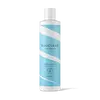 Key Ingredients
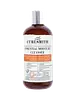
No key ingredients
Benefits
Concerns
Ingredients Side-by-side
Water
Skin ConditioningGlycerin
Humectant


Decyl Glucoside
Cleansing
Maris Sal
Skin ConditioningCocamidopropyl Betaine
Cleansing


Sorbitan Sesquicaprylate
Skin ConditioningBenzyl Alcohol
Perfuming




Xanthan Gum
EmulsifyingSorbitol
Humectant
Sodium PCA
Humectant
Guar Hydroxypropyltrimonium Chloride
Skin ConditioningSchinziophyton Rautanenii Kernel Oil
Emollient

Sodium Chloride
MaskingCitrus Grandis Peel Oil
Masking

Citrus Nobilis Peel Oil
Masking
Citrus Aurantium Bergamia Fruit Oil
Masking
Citrus Aurantium Dulcis Peel Oil
Masking
Camellia Oleifera Seed Oil
Skin Conditioning
Origanum Majorana Leaf Oil
Masking
Sodium Lactate
Buffering
Michelia Alba Leaf Oil
Masking
Rosmarinus Officinalis Leaf Oil
Masking
Dehydroacetic Acid
Preservative
Pogostemon Cablin Leaf Oil
Masking
Pentylene Glycol
Skin Conditioning
Hippophae Rhamnoides Fruit Oil
Skin Protecting
Mentha Viridis Leaf Oil
Astringent
Hydrolyzed Hyaluronic Acid
Humectant

Styrax Tonkinensis Resin Extract
Perfuming
Michelia Alba Flower Oil
Masking
Cymbopogon Martini Oil
Masking
Cocos Nucifera Oil
Masking

Caprylyl Glycol
Emollient
Litsea Cubeba Fruit Oil
Masking
Tilia Cordata Flower Extract
Skin Conditioning
Citric Acid
Buffering

Citral
Perfuming
Geraniol
Perfuming
Linalool
Perfuming
Limonene
Perfuming
Water, Glycerin, Decyl Glucoside, Maris Sal, Cocamidopropyl Betaine, Sorbitan Sesquicaprylate, Benzyl Alcohol, Xanthan Gum, Sorbitol, Sodium PCA, Guar Hydroxypropyltrimonium Chloride, Schinziophyton Rautanenii Kernel Oil, Sodium Chloride, Citrus Grandis Peel Oil, Citrus Nobilis Peel Oil, Citrus Aurantium Bergamia Fruit Oil, Citrus Aurantium Dulcis Peel Oil, Camellia Oleifera Seed Oil, Origanum Majorana Leaf Oil, Sodium Lactate, Michelia Alba Leaf Oil, Rosmarinus Officinalis Leaf Oil, Dehydroacetic Acid, Pogostemon Cablin Leaf Oil, Pentylene Glycol, Hippophae Rhamnoides Fruit Oil, Mentha Viridis Leaf Oil, Hydrolyzed Hyaluronic Acid, Styrax Tonkinensis Resin Extract, Michelia Alba Flower Oil, Cymbopogon Martini Oil, Cocos Nucifera Oil, Caprylyl Glycol, Litsea Cubeba Fruit Oil, Tilia Cordata Flower Extract, Citric Acid, Citral, Geraniol, Linalool, Limonene
Water
Skin ConditioningCocamidopropyl Betaine
Cleansing
Sodium Methyl Cocoyl Taurate
Cleansing
Lauryl Glucoside
CleansingSodium Chloride
MaskingPEG-120 Methyl Glucose Trioleate
Cleansing
Betaine
Humectant
Helianthus Annuus Seed Oil
Emollient
Aloe Barbadensis Leaf Juice
Skin Conditioning
Selaginella Lepidophylla Extract
EmollientOcimum Basilicum Leaf Extract
Skin ConditioningPiper Nigrum Seed Extract
RefreshingRosmarinus Officinalis Leaf Extract
AntimicrobialSalvia Officinalis Leaf Extract
CleansingCarapa Guaianensis Seed Oil
Skin Conditioning
Propanediol
Solvent
Glycerin
Humectant
Guar Hydroxypropyltrimonium Chloride
Skin ConditioningPolyquaternium-10
Citric Acid
Buffering
Phenoxyethanol
Preservative
Sodium Benzoate
Masking
Potassium Sorbate
Preservative
Parfum
Masking
Limonene
Perfuming
Linalool
Perfuming
Water, Cocamidopropyl Betaine, Sodium Methyl Cocoyl Taurate, Lauryl Glucoside, Sodium Chloride, PEG-120 Methyl Glucose Trioleate, Betaine, Helianthus Annuus Seed Oil, Aloe Barbadensis Leaf Juice, Selaginella Lepidophylla Extract, Ocimum Basilicum Leaf Extract, Piper Nigrum Seed Extract, Rosmarinus Officinalis Leaf Extract, Salvia Officinalis Leaf Extract, Carapa Guaianensis Seed Oil, Propanediol, Glycerin, Guar Hydroxypropyltrimonium Chloride, Polyquaternium-10, Citric Acid, Phenoxyethanol, Sodium Benzoate, Potassium Sorbate, Parfum, Limonene, Linalool
Reviews
Ingredients Explained
These ingredients are found in both products.
Ingredients higher up in an ingredient list are typically present in a larger amount.
Citric Acid is an alpha hydroxy acid (AHA) naturally found in citrus fruits like oranges, lemons, and limes.
Like other AHAs, citric acid can exfoliate skin by breaking down the bonds that hold dead skin cells together. This helps reveal smoother and brighter skin underneath.
However, this exfoliating effect only happens at high concentrations (20%) which can be hard to find in cosmetic products.
Due to this, citric acid is usually included in small amounts as a pH adjuster. This helps keep products slightly more acidic and compatible with skin's natural pH.
In skincare formulas, citric acid can:
While it can provide some skin benefits, research shows lactic acid and glycolic acid are generally more effective and less irritating exfoliants.
Most citric acid used in skincare today is made by fermenting sugars (usually from molasses). This synthetic version is identical to the natural citrus form but easier to stabilize and use in formulations.
Rosacea skin has a lower threshold for acids generally, with 62.5% of rosacea subjects in one study reacting to lactic acid in a sting test. This is why we mark citric acid as a potential rosacea trigger.
However, this ingredient shows up as a pH adjuster or chelator at roughly 0.1-1% in many products. These low levels are unlikely to be an issue for rosacea skin and becomes a potential trigger at exfoliating concentrations (20%). Because everybody's skin is unique, we recommend a patch test if you are unsure.
Learn more about Citric AcidCocamidopropyl Betaine is a fatty acid created by mixing similar compounds in coconut oil and dimethylaminopropylamine, a compound with two amino groups.
This ingredient is a surfactant and cleanser. It helps gather the dirt, pollutants, and other impurities in your skin to be washed away. It also helps thicken a product and make the texture more creamy.
Being created from coconut oil means Cocamidopropyl Betaine is hydrating for the skin.
While Cocamidopropyl Betaine was believed to be an allergen, a study from 2012 disproved this. It found two compounds in unpure Cocamidopropyl Betaine to be the irritants: aminoamide and 3-dimethylaminopropylamine. High-grade and pure Cocamidopropyl Betaine did not induce allergic reactions during this study.
Learn more about Cocamidopropyl BetaineGlycerin (or glycerol) is a compound naturally found in your skin. It's a powerhouse humectant that pulls water into the stratum corneum.
Topically, glycerin does several things at once:
Your skin makes glycerin on its own (mostly from sebaceous oil breakdown) and shuttles it to your outermost layer of skin, or your epidermis, via aquaporin-3.
Aquaporin-3 is a transporter that is essential for normal skin hydration, elasticity, and repair. Interestingly, mice lacking in AQP3 have dry and less elastic skin that can be fully corrected with glycerin.
This ingredient is non-irritating, plays well with almost every ingredient, and works across all skin types. Typical use is anywhere between 3-10% but can go up to 79% in some leave-on products.
Just know very high concentrations (>40%) can feel tacky in low humidity.
Glycerin is the name for this ingredient in American English. British English uses Glycerol/Glycerine.
Learn more about GlycerinThis ingredient is derived from guar gum. It is a skin conditioning agent that creates a thin, breathable film to reduce water loss during cleansing.
This leaves the skin feeling soft rather than stripped and also contributes to a creamier lather.
Due to the large molecule size, this ingredient is unlikely to penetrate skin.
Learn more about Guar Hydroxypropyltrimonium ChlorideLimonene is the compound that gives citrus peel its smell.
In skincare, it shows up as a standalone fragrance ingredient or as a natural compound of citrus and other essential oils.
You'll typically see this ingredient used in very small amounts; anything above 0.001% in a leave-on product or 0.01% in a rinse-off has to be named on the label in the EU. The citrus oils that carry it sit around 0.5-1% in a finished formula.
Fresh limonene is a weak allergen; the real issue is that it slowly reacts with air and then breaks down from oxidation to create hydroperoxides (which are strong sensitizers). This is why suppliers are required to keep the peroxide value below 20 mmol.
Positive reactions in people being investigated for eczema vary:
It's worth skipping if you have a known fragrance allergy or a compromised barrier, but the risk is low for most people.
Older or long-opened products are also more likely to bother you than fresh ones due to oxidation.
Learn more about LimoneneLinalool is a small, naturally occurring scent molecule found in plants like lavender, coriander, bergamot, and more.
It is one of the two most-used fragrance ingredients in cosmetics and added purely for smell. Since it's not used for a skin benefit, there's no "effective dose". Concentration depends on the fragrance load of the product.
The EU requires it to be named on the label above 0.001% in leave-on and 0.01% in rinse-off products.
Fresh linalool is a weak sensitizer but air exposure turns some of it into hydroperoxides, which are strong sensitizers. Those oxidation products are the actual allergy concern.
Patch-test clinics see positive reactions to linalool hydroperoxides in about 4% to 12% of dermatitis patients depending on country and test concentration.
Resassuringly, one analytical study found hydroperoxide levels in real fragranced products to be orders of magnitude below what induced sensitization in animal studies with no evidence of oxidation building up during normal storage.
The practical takeaway is that linalool is fine for most people but worth avoiding if you have a confirmed fragrance contact allergy or a badly compromised barrier.
Products stored a long time after opening are also the high-risk scenario since that is when oxidation happens.
The scent of linalool is described as floral, spicy tropical, and citrus-like.
Learn more about LinaloolChances are, you eat sodium chloride every day. Sodium Chloride is also known as table salt. This ingredient has many purposes in skincare: thickener, emulsifier, and exfoliator.
You'll most likely find this ingredient in cleansers where it is used to create a gel-like texture. As an emulsifier, it also prevents ingredients from separating.
You might see people debate whether Sodium Chloride is comedogenic, but there actually haven't been any comedogenic tests done on it. Either way, the overall formulation of a product matters a lot more than any single ingredient.
You might see this ingredient used in scrubs as a primary exfoliating ingredient.
Learn more about Sodium ChlorideWater. It's the most common cosmetic ingredient of all. You'll usually see it at the top of ingredient lists, meaning that it makes up the largest part of the product.
So why is it so popular? Water most often acts as a solvent - this means that it helps dissolve other ingredients into the formulation.
You'll also recognize water as that liquid we all need to stay alive. If you see this, drink a glass of water. Remember to stay hydrated!
Learn more about Water

