Botanic Tree Glycolic Acid Exfoliating Facial Cleanser Versus Hero Cosmetics Exfoliating Jelly Cleanser
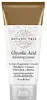
This smoothing exfoliator is formulated around Glycolic Acid and Salicylic Acid to refine skin texture and balance excess oil.
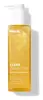
This glycolic acid gel cleanser is formulated around Glycolic Acid to exfoliate and smooth skin.

What's inside
What's inside
 Key Ingredients
Benefits
Concerns
Ingredients Side-by-side
Water
Skin ConditioningCoco-Glucoside
Cleansing
Cocamidopropyl Hydroxysultaine
Cleansing
Cocamidopropyl Betaine
Cleansing


Cocamide Mipa
Emulsifying
Disodium Laureth Sulfosuccinate
CleansingDisodium Lauryl Sulfosuccinate
CleansingGlycolic Acid
Buffering









Alumina
Abrasive
Beta Vulgaris
Cosmetic ColorantCocamidopropyl Dimethylamine
Emulsifying
Salicylic Acid
Masking


Polysorbate 80
Emulsifying
Glycerin
Humectant

Butyrospermum Parkii Butter
Skin Conditioning

Ascorbic Acid
Antioxidant

Benzalkonium Chloride
Antimicrobial
Camellia Sinensis Leaf Extract
Antimicrobial

Isomerized Safflower Acid
Skin ConditioningPalmitoyl Tripeptide-5
Skin Conditioning
Anthemis Nobilis Flower Extract
Masking
Maltodextrin
Absorbent
Cera Alba
Emollient
Silica
Abrasive
Palmitic Acid
Emollient
Clay
Absorbent
Zinc Sulfate
Antimicrobial
Fucus Vesiculosus Extract
Emollient
Phenoxyethanol
Preservative
Ethylhexylglycerin
Skin ConditioningSalix Alba Bark Extract
Astringent
Hydroxyethylcellulose
Emulsion StabilisingMelaleuca Alternifolia Leaf Oil
Antioxidant

Mentha Piperita Oil
Masking
Lavandula Angustifolia Oil
Masking
Water, Coco-Glucoside, Cocamidopropyl Hydroxysultaine, Cocamidopropyl Betaine, Cocamide Mipa, Disodium Laureth Sulfosuccinate, Disodium Lauryl Sulfosuccinate, Glycolic Acid, Alumina, Beta Vulgaris, Cocamidopropyl Dimethylamine, Salicylic Acid, Polysorbate 80, Glycerin, Butyrospermum Parkii Butter, Ascorbic Acid, Benzalkonium Chloride, Camellia Sinensis Leaf Extract, Isomerized Safflower Acid, Palmitoyl Tripeptide-5, Anthemis Nobilis Flower Extract, Maltodextrin, Cera Alba, Silica, Palmitic Acid, Clay, Zinc Sulfate, Fucus Vesiculosus Extract, Phenoxyethanol, Ethylhexylglycerin, Salix Alba Bark Extract, Hydroxyethylcellulose, Melaleuca Alternifolia Leaf Oil, Mentha Piperita Oil, Lavandula Angustifolia Oil
Water
Skin ConditioningDecyl Glucoside
Cleansing
Cocamidopropyl Betaine
Cleansing
Hydroxypropyl Starch Phosphate
Butylene Glycol
Humectant
Glycolic Acid
Buffering
Glycerin
Humectant
Mandelic Acid
Antimicrobial
1,2-Hexanediol
Skin Conditioning
Sodium Hydroxide
BufferingSodium Chloride
MaskingTromethamine
BufferingAmorphophallus Konjac Root Powder
Abrasive
Gluconolactone
Chelating
Citrus Junos Fruit Extract
Skin ConditioningAnanas Sativus Fruit Extract
Skin ConditioningSalix Alba Bark Extract
Astringent
Hamamelis Virginiana Extract
Antiseborrhoeic
Lactobacillus/Rice Ferment
Skin Conditioning
Bifida Ferment Lysate
Skin Conditioning
Salvia Officinalis Leaf Extract
CleansingSodium Hyaluronate
Humectant
Hyaluronic Acid
Humectant
Hydrolyzed Hyaluronic Acid
Humectant
Hydrolyzed Sodium Hyaluronate
Skin Conditioning
Hydroxypropyltrimonium Hyaluronate
Potassium Hyaluronate
Skin ConditioningSodium Acetylated Hyaluronate
Humectant
Zinc PCA
Humectant
Maltitol
HumectantAllantoin
Skin Conditioning
Sodium Hyaluronate Crosspolymer
Humectant
Xanthan Gum
EmulsifyingArginine
Masking
Pentylene Glycol
Skin Conditioning
Ethylhexylglycerin
Skin ConditioningWater, Decyl Glucoside, Cocamidopropyl Betaine, Hydroxypropyl Starch Phosphate, Butylene Glycol, Glycolic Acid, Glycerin, Mandelic Acid, 1,2-Hexanediol, Sodium Hydroxide, Sodium Chloride, Tromethamine, Amorphophallus Konjac Root Powder, Gluconolactone, Citrus Junos Fruit Extract, Ananas Sativus Fruit Extract, Salix Alba Bark Extract, Hamamelis Virginiana Extract, Lactobacillus/Rice Ferment, Bifida Ferment Lysate, Salvia Officinalis Leaf Extract, Sodium Hyaluronate, Hyaluronic Acid, Hydrolyzed Hyaluronic Acid, Hydrolyzed Sodium Hyaluronate, Hydroxypropyltrimonium Hyaluronate, Potassium Hyaluronate, Sodium Acetylated Hyaluronate, Zinc PCA, Maltitol, Allantoin, Sodium Hyaluronate Crosspolymer, Xanthan Gum, Arginine, Pentylene Glycol, Ethylhexylglycerin
Reviews
Ingredients Explained
These ingredients are found in both products.
Ingredients higher up in an ingredient list are typically present in a larger amount.
Cocamidopropyl Betaine is a fatty acid created by mixing similar compounds in coconut oil and dimethylaminopropylamine, a compound with two amino groups.
This ingredient is a surfactant and cleanser. It helps gather the dirt, pollutants, and other impurities in your skin to be washed away. It also helps thicken a product and make the texture more creamy.
Being created from coconut oil means Cocamidopropyl Betaine is hydrating for the skin.
While Cocamidopropyl Betaine was believed to be an allergen, a study from 2012 disproved this. It found two compounds in unpure Cocamidopropyl Betaine to be the irritants: aminoamide and 3-dimethylaminopropylamine. High-grade and pure Cocamidopropyl Betaine did not induce allergic reactions during this study.
Learn more about Cocamidopropyl BetaineEthylhexylglycerin is created from glycerin. It is a multitasker ingredient that:
The CIR Expert Panel found minimal skin absorption or sensitization of any kind in a safety assessment. Though this ingredient is considered well-tolerated, a small number of cases of allergic dermatitis have been published since 2002. Just be sure to patch test if you are unsure.
Industry-reported use ranges from 8% in rinse-off products and 2% in leave-on formulations.
Learn more about EthylhexylglycerinGlycerin (or glycerol) is a compound naturally found in your skin. It's a powerhouse humectant that pulls water into the stratum corneum.
Topically, glycerin does several things at once:
Your skin makes glycerin on its own (mostly from sebaceous oil breakdown) and shuttles it to your outermost layer of skin, or your epidermis, via aquaporin-3.
Aquaporin-3 is a transporter that is essential for normal skin hydration, elasticity, and repair. Interestingly, mice lacking in AQP3 have dry and less elastic skin that can be fully corrected with glycerin.
This ingredient is non-irritating, plays well with almost every ingredient, and works across all skin types. Typical use is anywhere between 3-10% but can go up to 79% in some leave-on products.
Just know very high concentrations (>40%) can feel tacky in low humidity.
Glycerin is the name for this ingredient in American English. British English uses Glycerol/Glycerine.
Learn more about GlycerinGlycolic Acid is arguably the most famous alpha hydroxy acid (AHA) with tons of research backing its benefits.
It is found naturally in sugar cane but the form used in skincare is usually synthetic for purity and stability.
Glycolic acid removes the top layer of dead skin cells to allow newer and fresher ones to emerge.
AHAs work by breaking down the structural “glue” that holds old skin cells in place. When that buildup is gone, your skin can renew itself more efficiently.
Research also shows glycolic acid stimulates collagen production, helping to firm and thicken the skin over time. This is one of its biggest advantages over other AHAs.
Overall, glycolic acid helps with:
Fun fact: Glycolic acid boosts skin hydration by helping it produce molecules that increase hyaluronic acid naturally.
To work best, glycolic acid products should have a pH between 3-4 (that’s where exfoliation is most effective but still gentle on skin).
The pH and concentration of a product are key to its effectiveness:
It is normal to feel a slight stinging sensation when using glycolic acid. This usually fades as your skin adjusts.
Because glycolic acid has the smallest molecular size in the AHA family, it can penetrate deeper, which enhances its effectiveness but also makes it more likely to irritate sensitive skin.
If your skin is very sensitive or prone to rosacea, glycolic acid may be too strong; in that case, try milder options like lactic acid or a PHA instead.
Recent studies suggest glycolic acid might even help protect against UV damage. But don’t skip sunscreen! Freshly exfoliated skin is more sensitive to the sun.
Glycolic acid is a skincare superstar. It smooths, brightens, hydrates, and firms the skin. Unless you’re highly sensitive, it’s well worth adding to your routine.
Read more about some other popular AHA's here:
Learn more about Glycolic AcidSalix Alba Bark Extract comes from the bark of the white willow tree. The official CosIng listing states this ingredient to have astringent, skin conditioning, soothing, and tonic properties.
Its star compound is salicin, a natural glucoside that is chemically related to salicylic acid. That's why you'll often see it marketed as a "natural BHA alternative" but that's a bit of a stretch.
Your skin can't convert salicin to salicylic acid because it needs specific enzymes that aren't present on the skin's surface. It won't behave like true salicylic acid, especially at the concentrations used in cosmetics.
However, this ingredient has its own perks. It contains flavonoids, polyphenols, and tannins that give it proven antioxidant and soothing properties.
An 8-week clinical study found a cream with 2% of this extract improved skin microcirculation, elasticity, and dark circles. This is most likely due to its role in increasing hyaluronic acid synthesis in fibroblasts and improved vascular integrity.
Another study found a topical serum with 0.5% salicin showed improvements in visible signs of aging, hyperpigmentation, and texture.
Just be careful if you have a known aspirin/salicylate allergy and be sure to consult with a medical professional about using this ingredient if you do.
Fun fact: Willow Bark extract has been used for thousands of years and ancient civilizations used white willow to help treat pain and fevers.
Learn more about Salix Alba Bark ExtractWater. It's the most common cosmetic ingredient of all. You'll usually see it at the top of ingredient lists, meaning that it makes up the largest part of the product.
So why is it so popular? Water most often acts as a solvent - this means that it helps dissolve other ingredients into the formulation.
You'll also recognize water as that liquid we all need to stay alive. If you see this, drink a glass of water. Remember to stay hydrated!
Learn more about Water

