Boots SPF+ Invisible Daily Suncare Face Fluid SPF 50 Versus Azarine Hydrasoothe Sunscreen Gel SPF45 PA++++
This chemical sunscreen covers the full UV range and blocks ~98% of UVB at SPF 50.
This chemical sunscreen covers most of the UV range, lighter on the deep UVA that drives aging.


What's inside
What's inside
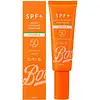 Key Ingredients
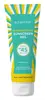
Benefits
Concerns
No concerns
Ingredients Side-by-side
Water
Skin ConditioningEthylhexyl Salicylate
UV Absorber

C12-15 Alkyl Benzoate
AntimicrobialBis-Ethylhexyloxyphenol Methoxyphenyl Triazine
UV Absorber
Phenylbenzimidazole Sulfonic Acid
UV Absorber
Dicaprylyl Carbonate
EmollientNiacinamide
Smoothing











Silica
Abrasive
Butyl Methoxydibenzoylmethane
UV Absorber
Sodium Polyacryloyldimethyl Taurate
Emulsion StabilisingAminomethyl Propanol
BufferingPanthenol
Skin Conditioning
Propanediol
Solvent
Glycerin
Humectant
Caprylyl Glycol
Emollient
Sodium Stearoyl Glutamate
CleansingTocopheryl Acetate
Antioxidant

Gossypium Herbaceum Callus Culture
Skin ConditioningCaprylhydroxamic Acid
ChelatingXanthan Gum
EmulsifyingDisodium EDTA
ChelatingPentylene Glycol
Skin Conditioning
Citric Acid
Buffering

Sodium Acetylated Hyaluronate
Humectant
Sodium Hyaluronate
Humectant
Sodium Hyaluronate Crosspolymer
Humectant
Hydrolyzed Sodium Hyaluronate
Skin Conditioning
Ethylhexylglycerin
Skin ConditioningWater, Ethylhexyl Salicylate, C12-15 Alkyl Benzoate, Bis-Ethylhexyloxyphenol Methoxyphenyl Triazine, Phenylbenzimidazole Sulfonic Acid, Dicaprylyl Carbonate, Niacinamide, Silica, Butyl Methoxydibenzoylmethane, Sodium Polyacryloyldimethyl Taurate, Aminomethyl Propanol, Panthenol, Propanediol, Glycerin, Caprylyl Glycol, Sodium Stearoyl Glutamate, Tocopheryl Acetate, Gossypium Herbaceum Callus Culture, Caprylhydroxamic Acid, Xanthan Gum, Disodium EDTA, Pentylene Glycol, Citric Acid, Sodium Acetylated Hyaluronate, Sodium Hyaluronate, Sodium Hyaluronate Crosspolymer, Hydrolyzed Sodium Hyaluronate, Ethylhexylglycerin
Water
Skin ConditioningGlycerin
Humectant
Propanediol
Solvent
Ethylhexyl Methoxycinnamate
UV Absorber
Butyl Methoxydibenzoylmethane
UV Absorber
Cucumis Sativus Fruit Extract
Emollient
Octocrylene
UV Absorber
Butylene Glycol
Humectant
Aloe Barbadensis Leaf Juice
Skin Conditioning
Polymethyl Methacrylate
Portulaca Oleracea Extract
Skin Conditioning
Sodium Hyaluronate
Humectant
Camellia Sinensis Leaf Extract
Antimicrobial
Ectoin
Skin Conditioning
Phenoxyethanol
Preservative
Acrylates/C10-30 Alkyl Acrylate Crosspolymer
Emulsion StabilisingRoyal Jelly
Centella Asiatica Extract
Cleansing
Allantoin
Skin Conditioning
Panthenol
Skin Conditioning
Resveratrol
Antioxidant
Lecithin
Emollient
Disodium EDTA
ChelatingWater, Glycerin, Propanediol, Ethylhexyl Methoxycinnamate, Butyl Methoxydibenzoylmethane, Cucumis Sativus Fruit Extract, Octocrylene, Butylene Glycol, Aloe Barbadensis Leaf Juice, Polymethyl Methacrylate, Portulaca Oleracea Extract, Sodium Hyaluronate, Camellia Sinensis Leaf Extract, Ectoin, Phenoxyethanol, Acrylates/C10-30 Alkyl Acrylate Crosspolymer, Royal Jelly, Centella Asiatica Extract, Allantoin, Panthenol, Resveratrol, Lecithin, Disodium EDTA
Reviews
Ingredients Explained
These ingredients are found in both products.
Ingredients higher up in an ingredient list are typically present in a larger amount.
Also known as Avobenzone, this ingredient is an oil-soluble used to absorb the full spectrum of UVA rays (peak 357 nm).
It's one of the most effective UVA filters available but has a major caveat of photostability: avobenzone is susceptible to photodegradation.
This means it can lose efficacy when exposed to sunlight without the help of a stabilizing agent.
Studies show antioxidants (like vitamin E or vitamin C) and some UV filters (like octocrylene and Tinosorb S) can meaningfully improve its stability in a formulation.
The maximum allowable concentration according to regulation is 3% in the US + Canada, and 5% in the EU, Australia, China, Korea, and ASEAN countries.
It has a well-support safety profile: a comprehensive 2025 review found minimal toxicity with no evidence of carcinogenicity.
Overall, avobenzone is a safe and regulated ingredient used in sunscreen for over 40 years.
Learn more about Butyl MethoxydibenzoylmethaneDisodium EDTA is a chelating agent. It grabs onto and deactivates metal ions that sneak into your products from water, packaging, or air.
This ingredient mainly works behind the scenes and helps with:
On top of that, this ingredient can counteract the effects of hard water by binding to the minerals in it.
One thing worth knowing is that Disodium EDTA has been shown to be a mild penetration enhancer. It can help other ingredients absorb into skin more effectively which can be a double-edged sword (great for actives, but can also make the active too strong if you have sensitive skin).
Clinical patch testing showed no significant skin irritation at typical use concentrations and minimal dermal absorption.
You'll most likely see this ingredient near the end of an ingredient list. It's typically found in concentrations less than 1%.
Learn more about Disodium EDTAGlycerin (or glycerol) is a compound naturally found in your skin. It's a powerhouse humectant that pulls water into the stratum corneum.
Topically, glycerin does several things at once:
Your skin makes glycerin on its own (mostly from sebaceous oil breakdown) and shuttles it to your outermost layer of skin, or your epidermis, via aquaporin-3.
Aquaporin-3 is a transporter that is essential for normal skin hydration, elasticity, and repair. Interestingly, mice lacking in AQP3 have dry and less elastic skin that can be fully corrected with glycerin.
This ingredient is non-irritating, plays well with almost every ingredient, and works across all skin types. Typical use is anywhere between 3-10% but can go up to 79% in some leave-on products.
Just know very high concentrations (>40%) can feel tacky in low humidity.
Glycerin is the name for this ingredient in American English. British English uses Glycerol/Glycerine.
Learn more about GlycerinPanthenol is a common ingredient that helps hydrate and soothe the skin. It is found naturally in our skin and hair.
There are two forms of panthenol: D and L.
D-panthenol is also known as dexpanthenol. Most cosmetics use dexpanthenol or a mixture of D and L-panthenol.
Panthenol is famous due to its ability to go deeper into the skin's layers. Using this ingredient has numerous pros (and no cons):
Like hyaluronic acid, panthenol is a humectant. Humectants are able to bind and hold large amounts of water to keep skin hydrated.
This ingredient works well for wound healing. It works by increasing tissue in the wound and helps close open wounds.
Once oxidized, panthenol converts to pantothenic acid. Panthothenic acid is found in all living cells.
This ingredient is also referred to as pro-vitamin B5.
Learn more about PanthenolPropanediol is an all-star ingredient. It softens, hydrates, and smooths the skin.
It’s often used to:
Propanediol is not likely to cause sensitivity and considered safe to use. It is derived from corn or petroleum with a clear color and no scent.
Learn more about PropanediolSodium Hyaluronate is the salt form of hyaluronic acid. It is a long sugar chain that is naturally found in your skin, joints, and connective tissue that maintains hydration and elasticity.
In skincare, it works as a humectant. It pulls water from the environment and deeper layers of skin and binds it to the surface.
Interestingly, the size of the molecule affects its behavior:
Some clinical evidence links low molecular weight versions to improved wrinkle depth, elasticity, anti-inflammatory effects, and barrier repair.
Many serums use a blend of both weights so you can get surface hydration plus longer-lasting and deeper effects.
You'll typically see concentrations between 0.1-2% for this ingredient.
Learn more about Sodium HyaluronateWater. It's the most common cosmetic ingredient of all. You'll usually see it at the top of ingredient lists, meaning that it makes up the largest part of the product.
So why is it so popular? Water most often acts as a solvent - this means that it helps dissolve other ingredients into the formulation.
You'll also recognize water as that liquid we all need to stay alive. If you see this, drink a glass of water. Remember to stay hydrated!
Learn more about Water

