

What's inside
What's inside
 Key Ingredients
Benefits
Concerns
Ingredients Side-by-side
4-Methylbenzylidene Camphor
UV Absorber

Ethylhexyl Triazone
UV Absorber
Butyl Methoxydibenzoylmethane
UV Absorber

Octocrylene
UV Absorber
Caprylyl Glycol
Emollient
Caprylic Acid
CleansingWater
Skin ConditioningC12-15 Alkyl Benzoate
AntimicrobialCera Alba
Emollient

Silica
Abrasive
PEG-15 Cocamine
EmulsifyingAmmonium Acryloyldimethyltaurate/Vp Copolymer
PEG-40 Stearate
Emulsifying
Saccharide Isomerate
Humectant
CI 77491
Cosmetic ColorantCaprylhydroxamic Acid
Glycerin
Humectant


CI 77492
Cosmetic ColorantHydroxyethylcellulose
Emulsion StabilisingPanthenol
Skin Conditioning

Citric Acid
Buffering



Sodium Citrate
BufferingCI 77499
Cosmetic ColorantAloe Barbadensis Leaf Juice
Skin Conditioning
Tocopheryl Acetate
Antioxidant

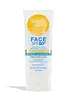
4-Methylbenzylidene Camphor, Ethylhexyl Triazone, Butyl Methoxydibenzoylmethane, Octocrylene, Caprylyl Glycol, Caprylic Acid, Water, C12-15 Alkyl Benzoate, Cera Alba, Silica, PEG-15 Cocamine, Ammonium Acryloyldimethyltaurate/Vp Copolymer, PEG-40 Stearate, Saccharide Isomerate, CI 77491, Caprylhydroxamic Acid, Glycerin, CI 77492, Hydroxyethylcellulose, Panthenol, Citric Acid, Sodium Citrate, CI 77499, Aloe Barbadensis Leaf Juice, Tocopheryl Acetate
Water
Skin ConditioningOctocrylene
UV Absorber
Diisopropyl Adipate
EmollientPropylene Glycol Dicaprylate/Dicaprate
EmollientC12-15 Alkyl Benzoate
AntimicrobialDiisopropyl Sebacate
EmollientButyl Methoxydibenzoylmethane
UV Absorber
Isododecane
EmollientNiacinamide
Smoothing



Arachidyl Alcohol
EmollientBehenyl Alcohol
Emollient
Arachidyl Glucoside
EmulsifyingCaprylic/Capric Triglyceride
Masking
Titanium Dioxide
Cosmetic Colorant
Ethylhexyl Triazone
UV Absorber
PEG-100 Stearate
Glyceryl Stearate
Emollient
Butylene Glycol
Humectant
Linoleic Acid
Cleansing

Linolenic Acid
Cleansing
Panthenol
Skin Conditioning
Sodium Hyaluronate
Humectant
Allantoin
Skin Conditioning
Tocopheryl Acetate
Antioxidant
Retinol
Skin Conditioning
Polysorbate 20
Emulsifying
Hydroxyethyl Acrylate/Sodium Acryloyldimethyl Taurate Copolymer
Emulsion StabilisingXanthan Gum
EmulsifyingPolyacrylate Crosspolymer-6
Emulsion StabilisingSilica
Abrasive
Acacia Seyal Gum
HumectantPhenoxyethanol
Preservative
Ethylhexylglycerin
Skin ConditioningTrisodium Ethylenediamine Disuccinate
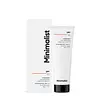
Water, Octocrylene, Diisopropyl Adipate, Propylene Glycol Dicaprylate/Dicaprate, C12-15 Alkyl Benzoate, Diisopropyl Sebacate, Butyl Methoxydibenzoylmethane, Isododecane, Niacinamide, Arachidyl Alcohol, Behenyl Alcohol, Arachidyl Glucoside, Caprylic/Capric Triglyceride, Titanium Dioxide, Ethylhexyl Triazone, PEG-100 Stearate, Glyceryl Stearate, Butylene Glycol, Linoleic Acid, Linolenic Acid, Panthenol, Sodium Hyaluronate, Allantoin, Tocopheryl Acetate, Retinol, Polysorbate 20, Hydroxyethyl Acrylate/Sodium Acryloyldimethyl Taurate Copolymer, Xanthan Gum, Polyacrylate Crosspolymer-6, Silica, Acacia Seyal Gum, Phenoxyethanol, Ethylhexylglycerin, Trisodium Ethylenediamine Disuccinate
Reviews
Ingredients Explained
These ingredients are found in both products.
Ingredients higher up in an ingredient list are typically present in a larger amount.
Also known as Avobenzone, this ingredient is a chemical sunscreen filter that provides protection in the UV-A range.
Avobenzone is globally approved and is the most commonly used UV-A filter in the world.
Studies have found that avobenzone becomes ineffective when exposed to UV light (it is not photostable; meaning that it breaks down in sunlight). Because of this, formulations that include avobenzone will usually contain stabilizers such as octocrylene.
However, some modern formulations (looking at you, EU!) are able to stabilize avobenzone by coating the molecules.
Avobenzone does not protect against the UV-B range, so it's important to check that the sunscreen you're using contains other UV filters that do!
The highest concentration of avobenzone permitted is 3% in the US, and 5% in the EU.
Learn more about Butyl MethoxydibenzoylmethaneC12-15 Alkyl Benzoate is made up of Benzoic Acid and long chain alcohols. It has a low molecular weight.
C12-15 Alkyl Benzoate is an emollient and texture enhancer. Due to its solubility, it is often used in sunscreens to help evenly distribute active ingredients.
As an emollient, C12-15 Alkyl Benzoate helps soften and hydrate your skin. Emollients create a film on your skin that traps moisture within.
This ingredient has been reported to cause eye irritation.
Learn more about C12-15 Alkyl BenzoateEthylhexyl Triazone is a modern chemical sunscreen that protects from UV-B radiation.
It is the most effective of existing UV-B filters, as it provides the highest level of photo-stable absorption. It protects from the entire UV-B range (280 to 320nm), with it's highest level of protection at 314nm.
Ethylhexyl Triazone is oil soluble, oderless and colorless, which mean it is able to be incorporated into a variety of different formulations.
It is not currently available within the United States due to slow changing FDA regulations. Outside of the US, it is used in formulations at concentrations up to 5%.
Learn more about Ethylhexyl TriazoneOctocrylene protects skin from sun damage. It absorbs UV-B with peak absorption of 304 nm. It is a common sunscreen ingredient and often paired with avobenzone, a UVA filter. This is because octocrylene stabilizes other sunscreen ingredients by protecting them from degradation when exposed to sunlight. Octocrylene is a photostable ingredient and loses about 10% of SPF in 95 minutes.
Octocrylene also acts as an emollient, meaning it helps skin retain moisture and softens skin. It is oil-soluble and hydrophobic, enhancing water-resistant properties in a product.
Those who are using ketoprofen, a topical anti-inflammatory drug, may experience an allergic reaction when using octocrylene. It is best to speak with a healthcare professional about using sunscreens with octocrylene.
The EU allows a maximum of these concentrations:
Learn more about OctocrylenePanthenol is a common ingredient that helps hydrate and soothe the skin. It is found naturally in our skin and hair.
There are two forms of panthenol: D and L.
D-panthenol is also known as dexpanthenol. Most cosmetics use dexpanthenol or a mixture of D and L-panthenol.
Panthenol is famous due to its ability to go deeper into the skin's layers. Using this ingredient has numerous pros (and no cons):
Like hyaluronic acid, panthenol is a humectant. Humectants are able to bind and hold large amounts of water to keep skin hydrated.
This ingredient works well for wound healing. It works by increasing tissue in the wound and helps close open wounds.
Once oxidized, panthenol converts to pantothenic acid. Panthothenic acid is found in all living cells.
This ingredient is also referred to as pro-vitamin B5.
Learn more about PanthenolSilica, also known as silicon dioxide, is a naturally occurring mineral. It is used as a fine, spherical, and porous powder in cosmetics.
Though it has exfoliant properties, the function of silica varies depending on the product.
The unique structure of silica enhances the spreadability and adds smoothness, making it a great texture enhancer.
It is also used as an active carrier, emulsifier, and mattifier due to its ability to absorb excess oil.
In some products, tiny microneedles called spicules are made from silica or hydrolyzed sponge. When you rub them in, they lightly polish away dead skin layers and enhance the penetration of active ingredients.
Learn more about SilicaTocopheryl Acetate is AKA Vitamin E. It is an antioxidant and protects your skin from free radicals. Free radicals damage the skin by breaking down collagen.
One study found using Tocopheryl Acetate with Vitamin C decreased the number of sunburned cells.
Tocopheryl Acetate is commonly found in both skincare and dietary supplements.
Learn more about Tocopheryl AcetateWater. It's the most common cosmetic ingredient of all. You'll usually see it at the top of ingredient lists, meaning that it makes up the largest part of the product.
So why is it so popular? Water most often acts as a solvent - this means that it helps dissolve other ingredients into the formulation.
You'll also recognize water as that liquid we all need to stay alive. If you see this, drink a glass of water. Stay hydrated!
Learn more about Water
