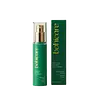
This anti-aging eye moisturizer is formulated around Bakuchiol and Acetyl Hexapeptide-8 to soften the look of wrinkles.
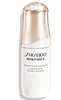
This brightening serum is formulated around Panax Ginseng Root Extract and 2-O-Ethyl Ascorbic Acid to fade the look of dark spots and brighten dull-looking skin.


What's inside
What's inside
 Key Ingredients
Benefits
Concerns
Ingredients Side-by-side
Water
Skin ConditioningCaprylic/Capric Triglyceride
Masking


Butylene Glycol
Humectant
Glycerin
Humectant
Polyglyceryl-3 Methylglucose Distearate
Emulsifying

Hexanediol
SolventHelianthus Annuus Seed Oil
Emollient
Cetearyl Alcohol
Emollient



Stearic Acid
Cleansing
Vinegar
Dimethicone
Emollient
Propanediol
Solvent
Glyceryl Stearate
Emollient
Betaine
Humectant
Pvp
Emulsion StabilisingCarbomer
Emulsion StabilisingTromethamine
BufferingPanthenol
Skin Conditioning
Bakuchiol
Antimicrobial






3-O-Ethyl Ascorbic Acid
Skin Conditioning

Ethylhexylglycerin
Skin ConditioningAdenosine
Skin Conditioning
Disodium EDTA
ChelatingArachidic Acid
Cleansing
Sodium Hyaluronate
Humectant
Palmitic Acid
Emollient
Oleic Acid
Emollient
Caprylyl Glycol
Emollient
Acetyl Hexapeptide-8
Humectant
Copper Tripeptide-1
Skin Conditioning
Palmitoyl Pentapeptide-4
Skin Conditioning
Tripeptide-1
Skin Conditioning
Palmitoyl Tripeptide-1
Skin Conditioning
Hexapeptide-9
Skin Conditioning
Nonapeptide-1
Skin Conditioning
Water, Caprylic/Capric Triglyceride, Butylene Glycol, Glycerin, Polyglyceryl-3 Methylglucose Distearate, Hexanediol, Helianthus Annuus Seed Oil, Cetearyl Alcohol, Stearic Acid, Vinegar, Dimethicone, Propanediol, Glyceryl Stearate, Betaine, Pvp, Carbomer, Tromethamine, Panthenol, Bakuchiol, 3-O-Ethyl Ascorbic Acid, Ethylhexylglycerin, Adenosine, Disodium EDTA, Arachidic Acid, Sodium Hyaluronate, Palmitic Acid, Oleic Acid, Caprylyl Glycol, Acetyl Hexapeptide-8, Copper Tripeptide-1, Palmitoyl Pentapeptide-4, Tripeptide-1, Palmitoyl Tripeptide-1, Hexapeptide-9, Nonapeptide-1
Panax Ginseng Root Extract
Emollient
Caffeine
Skin Conditioning
Betaine
Humectant
Crataegus Monogyna Flower Extract
Skin ConditioningArtemisia Princeps Leaf Extract
Skin ConditioningAngelica Acutiloba Leaf
MaskingAlpinia Speciosa Leaf Extract
Skin ConditioningDipotassium Glycyrrhizate
Humectant
Rehmannia Chinensis Root Extract
Skin ConditioningAscorbyl Tetraisopalmitate
Antioxidant
Pyrola Incarnata Extract
Skin ConditioningOleoyl Potentilla Erecta Root Catechins
Antioxidant
2-O-Ethyl Ascorbic Acid
Skin Conditioning
Potassium Methoxysalicylate
BleachingAlcohol
Antimicrobial


Citric Acid
Buffering
Geraniol
Perfuming

Limonene
Perfuming
Linalool
Perfuming
Butylene Glycol
Humectant
Parfum
Masking
Diglycerin
Humectant
Pancratium Maritimum Extract
BleachingPotassium Hydroxide
BufferingTriethylhexanoin
MaskingPPG-3 Dipivalate
Skin ConditioningSilica
Abrasive
Talc
Abrasive
Aluminum Hydroxide
EmollientCI 77891
Cosmetic ColorantWater
Skin ConditioningTocopherol
Antioxidant
PEG-60 Glyceryl Isostearate
Surfactant
PEG-10 Dimethicone
Skin Conditioning
Xanthan Gum
EmulsifyingDisodium EDTA
ChelatingSuccinoglycan
Skin ConditioningPanax Ginseng Root Extract, Caffeine, Betaine, Crataegus Monogyna Flower Extract, Artemisia Princeps Leaf Extract, Angelica Acutiloba Leaf, Alpinia Speciosa Leaf Extract, Dipotassium Glycyrrhizate, Rehmannia Chinensis Root Extract, Ascorbyl Tetraisopalmitate, Pyrola Incarnata Extract, Oleoyl Potentilla Erecta Root Catechins, 2-O-Ethyl Ascorbic Acid, Potassium Methoxysalicylate, Alcohol, Citric Acid, Geraniol, Limonene, Linalool, Butylene Glycol, Parfum, Diglycerin, Pancratium Maritimum Extract, Potassium Hydroxide, Triethylhexanoin, PPG-3 Dipivalate, Silica, Talc, Aluminum Hydroxide, CI 77891, Water, Tocopherol, PEG-60 Glyceryl Isostearate, PEG-10 Dimethicone, Xanthan Gum, Disodium EDTA, Succinoglycan
Ingredients Explained
These ingredients are found in both products.
Ingredients higher up in an ingredient list are typically present in a larger amount.
Betaine is a humectant. Like hyaluronic acid, it helps attract and retain moisture in the skin. It’s known for being gentle and for helping the skin maintain balanced hydration.
Betaine is mainly used to improve hydration and support calmer skin. It helps skin cells regulate water balance because it functions as an osmolyte.
Some studies suggest betaine may support making skin tone more even.
Fun fact: Betaine naturally exists in the skin and the body. In cosmetic products, it can be either plant-derived (most commonly from sugar beets) or synthetically produced for consistency and stability.
Betaine is also known as trimethylglycine.
Learn more about BetaineButylene Glycol (or BG) is used within cosmetic products for a few different reasons:
Overall, Butylene Glycol is a safe and well-rounded ingredient that works well with other ingredients.
Though this ingredient works well with most skin types, some people with sensitive skin may experience a reaction such as allergic rashes, closed comedones, or itchiness.
Learn more about Butylene GlycolDisodium EDTA is a chelating agent. It grabs onto and deactivates metal ions that sneak into your products from water, packaging, or air.
This ingredient mainly works behind the scenes and helps with:
On top of that, this ingredient can counteract the effects of hard water by binding to the minerals in it.
One thing worth knowing is that Disodium EDTA has been shown to be a mild penetration enhancer. It can help other ingredients absorb into skin more effectively which can be a double-edged sword (great for actives, but can also make the active too strong if you have sensitive skin).
Clinical patch testing showed no significant skin irritation at typical use concentrations and minimal dermal absorption.
You'll most likely see this ingredient near the end of an ingredient list. It's typically found in concentrations less than 1%.
Learn more about Disodium EDTAWater. It's the most common cosmetic ingredient of all. You'll usually see it at the top of ingredient lists, meaning that it makes up the largest part of the product.
So why is it so popular? Water most often acts as a solvent - this means that it helps dissolve other ingredients into the formulation.
You'll also recognize water as that liquid we all need to stay alive. If you see this, drink a glass of water. Remember to stay hydrated!
Learn more about Water

