

What's inside
What's inside
 Key Ingredients
Benefits
Concerns
Ingredients Side-by-side
Water
Skin ConditioningCyclopentasiloxane
Emollient
Bis-Diglyceryl Polyacyladipate-2
Emollient

Butylene Glycol
Humectant
PPG-2 Myristyl Ether Propionate
Emollient

Cetyl Alcohol
Emollient

PEG-40 Stearate
Emulsifying
Butyrospermum Parkii Butter
Skin Conditioning
Squalane
Emollient
Glyceryl Stearate
Emollient
Sorbitan Stearate
Emulsifying
Epilobium Angustifolium Extract
Skin ConditioningFaex Extract
Skin ConditioningBeta-Carotene
Skin ConditioningSodium Hyaluronate
Humectant

Citrus Grandis Peel Oil
Masking



Tocopheryl Acetate
Antioxidant


Methyl Glucose Sesquistearate
Emollient
Pelargonium Graveolens Flower Oil
Masking

Dimethicone Crosspolymer
Emulsion Stabilising
Acrylates/C10-30 Alkyl Acrylate Crosspolymer
Emulsion StabilisingCarbomer
Emulsion StabilisingPEG-20 Methyl Glucose Sesquistearate
Emulsifying
C12-15 Alkyl Ethylhexanoate
EmollientTetrasodium EDTA
Sodium Hydroxide
BufferingPanthenol
Skin Conditioning

Magnesium Ascorbyl Phosphate
Antioxidant


Limonene
Perfuming

Citronellol
Perfuming
Geraniol
Perfuming
Linalool
Perfuming
Chlorphenesin
Antimicrobial
Phenoxyethanol
Preservative
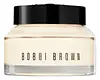
Water, Cyclopentasiloxane, Bis-Diglyceryl Polyacyladipate-2, Butylene Glycol, PPG-2 Myristyl Ether Propionate, Cetyl Alcohol, PEG-40 Stearate, Butyrospermum Parkii Butter, Squalane, Glyceryl Stearate, Sorbitan Stearate, Epilobium Angustifolium Extract, Faex Extract, Beta-Carotene, Sodium Hyaluronate, Citrus Grandis Peel Oil, Tocopheryl Acetate, Methyl Glucose Sesquistearate, Pelargonium Graveolens Flower Oil, Dimethicone Crosspolymer, Acrylates/C10-30 Alkyl Acrylate Crosspolymer, Carbomer, PEG-20 Methyl Glucose Sesquistearate, C12-15 Alkyl Ethylhexanoate, Tetrasodium EDTA, Sodium Hydroxide, Panthenol, Magnesium Ascorbyl Phosphate, Limonene, Citronellol, Geraniol, Linalool, Chlorphenesin, Phenoxyethanol
Water
Skin ConditioningGlycerin
Humectant
Triticum Vulgare Germ Oil
Emollient
Dimethicone
Emollient
PPG-2 Myristyl Ether Propionate
Emollient
Stearyl Alcohol
Emollient
Isododecane
EmollientCetearyl Alcohol
Emollient
Theobroma Cacao Seed Butter
Emollient
Myristyl Myristate
Emollient
Glyceryl Stearate
Emollient
PEG-100 Stearate
Surfactant
Cetearyl Ethylhexanoate
Emollient
Panthenol
Skin Conditioning
Hydrogenated Tetradecenyl/Methylpentadecene
SolventPhenoxyethanol
Preservative
Caprylyl Glycol
Emollient
Tocopheryl Acetate
Antioxidant
Carbomer
Emulsion StabilisingParfum
Masking
Benzyl Benzoate
Antimicrobial
Sodium Hydroxide
BufferingSodium Hyaluronate
Humectant
Disodium EDTA
Benzyl Alcohol
Perfuming
Hydroxycitronellal
Perfuming
Geraniol
Perfuming
Linalool
Perfuming
Limonene
Perfuming
Alpha-Isomethyl Ionone
Perfuming
CI 14700
Cosmetic ColorantCI 19140
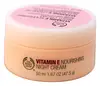
Cosmetic ColorantWater, Glycerin, Triticum Vulgare Germ Oil, Dimethicone, PPG-2 Myristyl Ether Propionate, Stearyl Alcohol, Isododecane, Cetearyl Alcohol, Theobroma Cacao Seed Butter, Myristyl Myristate, Glyceryl Stearate, PEG-100 Stearate, Cetearyl Ethylhexanoate, Panthenol, Hydrogenated Tetradecenyl/Methylpentadecene, Phenoxyethanol, Caprylyl Glycol, Tocopheryl Acetate, Carbomer, Parfum, Benzyl Benzoate, Sodium Hydroxide, Sodium Hyaluronate, Disodium EDTA, Benzyl Alcohol, Hydroxycitronellal, Geraniol, Linalool, Limonene, Alpha-Isomethyl Ionone, CI 14700, CI 19140
Reviews
Ingredients Explained
These ingredients are found in both products.
Ingredients higher up in an ingredient list are typically present in a larger amount.
Carbomer is a high-molecular weight polymer of acrylic acid. It is used to form gels and thicken formulas.
Due to its large molecular size, carbomer has minimal skin penetration and is considered an inert ingredient.
A high amount of carbomer can cause pilling or balling up of products. Don't worry, most products contain 1% or less of carbomer.
Learn more about CarbomerGeraniol is used to add fragrance/parfum to a product. It is the main component of citronellol. It is a monoterpenoid and an alcohol.
Monoterpenes are naturally found in many parts of different plants.
Geraniol can be found in many essential oils including Rose Oil and Citronella Oil. The scent of Geraniol is often described as "rose-like". Many foods also contain Geraniol for fruit flavoring.
Geraniol can irritate the skin when exposed to air. However, irritation depends on the ability of geraniol to penetrate into the skin. In general, geraniol is not able to penetrate skin easily.
Geraniol is colorless and has low water-solubility. However, it is soluble in common organic solvents.
Like citronellol, it is a natural insect repellent.
2,6-Octadien-1-ol, 3,7-dimethyl-, (2E)-
Learn more about GeraniolGlyceryl Stearate is made by reacting glycerin with stearic acid (typically sourced from plant oils like palm or coconut). It's an emulsifier, emollient, and mild occlusive.
Emulsifiers help ingredients like oil and water stay mixed so your formula stays nicely blended and uniform in texture.
This ingredient is typically used in concentrations between 1-10%. Studies have found it to be non-sensitizing, non-phototoxic, and non-photoallergenic.
A close cousin of this ingredient is Glyceryl Stearate SE ("self-emulsifying"). This just has a small amount of sodium or potassium stearate added so it can emulsify without a co-emulsifier.
Since this ingredient is an ester of a C18 fatty acid, it may not be fungal acne safe. The Malassezia yeast can potentially metabolize within the C11-C24 range.
Fun fact: The human body also creates Glyceryl Stearate naturally.
Learn more about Glyceryl StearateLimonene is a fragrance that adds scent and taste to a formulation.
It's found in the peel oil of citrus fruits and other plants such as lavender and eucalyptus. The scent of limonene is generally described as "sweet citrus".
Limonene acts as an antioxidant, meaning it helps neutralize free radicals.
When exposed to air, oxidized limonene may sensitize the skin. Because of this, limonene is often avoided by people with sensitive skin.
The term 'fragrance' is not regulated in many countries. In many cases, it is up to the brand to define this term. For instance, many brands choose to label themselves as "fragrance-free" because they are not using synthetic fragrances. However, their products may still contain ingredients such as essential oils that are considered a fragrance.
Learn more about LimoneneLinalool is a fragrance and helps add scent to products. It's derived from common plants such as cinnamon, mint, citrus, and lavender.
Like Limonene, this ingredient oxidizes when exposed to air. Oxidized linalool can cause allergies and skin sensitivity.
This ingredient has a scent that is floral, spicy tropical, and citrus-like.
Learn more about LinaloolPanthenol is a common ingredient that helps hydrate and soothe the skin. It is found naturally in our skin and hair.
There are two forms of panthenol: D and L.
D-panthenol is also known as dexpanthenol. Most cosmetics use dexpanthenol or a mixture of D and L-panthenol.
Panthenol is famous due to its ability to go deeper into the skin's layers. Using this ingredient has numerous pros (and no cons):
Like hyaluronic acid, panthenol is a humectant. Humectants are able to bind and hold large amounts of water to keep skin hydrated.
This ingredient works well for wound healing. It works by increasing tissue in the wound and helps close open wounds.
Once oxidized, panthenol converts to pantothenic acid. Panthothenic acid is found in all living cells.
This ingredient is also referred to as pro-vitamin B5.
Learn more about PanthenolPhenoxyethanol is a preservative that has germicide, antimicrobial, and aromatic properties. Studies show that phenoxyethanol can prevent microbial growth. By itself, it has a scent that is similar to that of a rose.
It's often used in formulations along with Caprylyl Glycol to preserve the shelf life of products.
This ingredient comes from propionic acid (a preservative) and myristyl alcohol (a fatty alcohol).
It is an emollient that leaves a dry texture on the skin. According to a manufacturer, this ingredient is non-occlusive.
The 2 stands for the number of repeating units of propylene glycol in the compound.
Chem/IUPAC: Poly[oxy(methyl-1,2-ethanediyl)], .alpha.-(1-oxopropyl)-.omega.-(tetradecyloxy)-
Learn more about PPG-2 Myristyl Ether PropionateSodium Hyaluronate is the salt form of hyaluronic acid. It is a long sugar chain that is naturally found in your skin, joints, and connective tissue that maintains hydration and elasticity.
In skincare, it works as a humectant. It pulls water from the environment and deeper layers of skin and binds it to the surface.
Interestingly, the size of the molecule affects its behavior:
Some clinical evidence links low molecular weight versions to improved wrinkle depth, elasticity, anti-inflammatory effects, and barrier repair.
Many serums use a blend of both weights so you can get surface hydration plus longer-lasting and deeper effects.
You'll typically see concentrations between 0.1-2% for this ingredient.
Learn more about Sodium HyaluronateSodium Hydroxide is also known as lye or caustic soda. It is used to adjust the pH of products; many ingredients require a specific pH to be effective.
In small amounts, sodium hydroxide is considered safe to use. However, large amounts may cause chemical burns due to its high alkaline.
Your skin has a natural pH and acid mantle. This acid mantle helps prevent harmful bacteria from breaking through. The acid mantle also helps keep your skin hydrated.
"Alkaline" refers to a high pH level. A low pH level would be considered acidic.
Learn more about Sodium HydroxideTocopheryl Acetate is AKA Vitamin E. It is an antioxidant and protects your skin from free radicals. Free radicals damage the skin by breaking down collagen.
One study found using Tocopheryl Acetate with Vitamin C decreased the number of sunburned cells.
Tocopheryl Acetate is commonly found in both skincare and dietary supplements.
Learn more about Tocopheryl AcetateWater. It's the most common cosmetic ingredient of all. You'll usually see it at the top of ingredient lists, meaning that it makes up the largest part of the product.
So why is it so popular? Water most often acts as a solvent - this means that it helps dissolve other ingredients into the formulation.
You'll also recognize water as that liquid we all need to stay alive. If you see this, drink a glass of water. Remember to stay hydrated!
Learn more about Water
