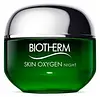
This barrier-repair moisturizer is formulated around Ceramide NP and Vitreoscilla Ferment to strengthen the skin barrier and hydrate skin.
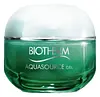
This barrier-repair moisturizer is formulated around Sodium Hyaluronate and Vitreoscilla Ferment to strengthen the skin barrier and hydrate skin.

What's inside
What's inside
 Key Ingredients
Benefits
Concerns
Ingredients Side-by-side
Water
Skin ConditioningGlycerin
Humectant


Alcohol Denat.
Antimicrobial




Dimethicone
Emollient
Hydroxyethylpiperazine Ethane Sulfonic Acid
BufferingPrunus Armeniaca Kernel Oil
Masking


Hydroxyethyl Urea
Humectant
Butyrospermum Parkii Butter
Skin Conditioning
Nasturtium Officinale Extract
Perfuming
C12-13 Pareth-23
CleansingC12-13 Pareth-3
EmulsifyingCeramide NP
Skin Conditioning



Carbomer
Emulsion StabilisingZinc Gluconate
Skin Conditioning



Glycine Soja Oil
Emollient
Sodium Chloride
MaskingSodium Hydroxide
BufferingDivinyldimethicone/Dimethicone Copolymer
2-Oleamido-1,3-Octadecanediol
Skin ConditioningCholesterol
Emollient
Ammonium Polyacryloyldimethyl Taurate
Emulsion StabilisingDisodium EDTA
ChelatingHydroxypalmitoyl Sphinganine
Skin Conditioning
Capryloyl Salicylic Acid
Exfoliating
Vitreoscilla Ferment
Skin Conditioning
Citric Acid
Buffering

Xanthan Gum
EmulsifyingMenthoxypropanediol
Masking
Ethylhexylglycerin
Skin ConditioningBHT
Antioxidant
Tocopherol
Antioxidant
Tocopheryl Acetate
Antioxidant
Phenoxyethanol
Preservative
Chlorphenesin
Antimicrobial
CI 19140
Cosmetic ColorantCI 42090
Cosmetic ColorantLinalool
Perfuming
Limonene
Perfuming
Citral
Perfuming
Parfum
Masking
Water, Glycerin, Alcohol Denat., Dimethicone, Hydroxyethylpiperazine Ethane Sulfonic Acid, Prunus Armeniaca Kernel Oil, Hydroxyethyl Urea, Butyrospermum Parkii Butter, Nasturtium Officinale Extract, C12-13 Pareth-23, C12-13 Pareth-3, Ceramide NP, Carbomer, Zinc Gluconate, Glycine Soja Oil, Sodium Chloride, Sodium Hydroxide, Divinyldimethicone/Dimethicone Copolymer, 2-Oleamido-1,3-Octadecanediol, Cholesterol, Ammonium Polyacryloyldimethyl Taurate, Disodium EDTA, Hydroxypalmitoyl Sphinganine, Capryloyl Salicylic Acid, Vitreoscilla Ferment, Citric Acid, Xanthan Gum, Menthoxypropanediol, Ethylhexylglycerin, BHT, Tocopherol, Tocopheryl Acetate, Phenoxyethanol, Chlorphenesin, CI 19140, CI 42090, Linalool, Limonene, Citral, Parfum
Water
Skin ConditioningGlycerin
Humectant
Propylene Glycol
Humectant
Hydroxyethyl Urea
Humectant
Dimethicone
Emollient
Triethanolamine
BufferingCarbomer
Emulsion StabilisingSqualane
Emollient
Hydroxyethylpiperazine Ethane Sulfonic Acid
BufferingCalcium Chloride
AstringentDimethiconol
Emollient
Sodium Carrageenan
Emulsion StabilisingSodium Chloride
MaskingSodium Citrate
BufferingSodium Hyaluronate
Humectant
Sodium Phosphate
BufferingAlgin
MaskingMaris Sal
Skin ConditioningCellulose Acetate Butyrate
Chlorella Vulgaris Extract
Skin ConditioningAmmonium Polyacryloyldimethyl Taurate
Emulsion StabilisingAgar
MaskingSpirulina Platensis Extract
Skin ProtectingCaprylyl Glycol
Emollient
Vitreoscilla Ferment
Skin Conditioning
Citric Acid
Buffering
Trisodium Ethylenediamine Disuccinate
ChelatingDextrin
AbsorbentPolyphosphorylcholine Glycol Acrylate
Polyvinyl Alcohol
Butylene Glycol
Humectant
Tocopherol
Antioxidant
Phenoxyethanol
Preservative
Chlorophene
Antimicrobial
Caramel
Cosmetic ColorantCI 19140
Cosmetic ColorantCI 42090
Cosmetic ColorantLinalool
Perfuming
Geraniol
Perfuming
Citral
Perfuming
Parfum
Masking
Water, Glycerin, Propylene Glycol, Hydroxyethyl Urea, Dimethicone, Triethanolamine, Carbomer, Squalane, Hydroxyethylpiperazine Ethane Sulfonic Acid, Calcium Chloride, Dimethiconol, Sodium Carrageenan, Sodium Chloride, Sodium Citrate, Sodium Hyaluronate, Sodium Phosphate, Algin, Maris Sal, Cellulose Acetate Butyrate, Chlorella Vulgaris Extract, Ammonium Polyacryloyldimethyl Taurate, Agar, Spirulina Platensis Extract, Caprylyl Glycol, Vitreoscilla Ferment, Citric Acid, Trisodium Ethylenediamine Disuccinate, Dextrin, Polyphosphorylcholine Glycol Acrylate, Polyvinyl Alcohol, Butylene Glycol, Tocopherol, Phenoxyethanol, Chlorophene, Caramel, CI 19140, CI 42090, Linalool, Geraniol, Citral, Parfum
Reviews
Ingredients Explained
These ingredients are found in both products.
Ingredients higher up in an ingredient list are typically present in a larger amount.
Ammonium Polyacryloyldimethyl Taurate is a polymer made from ammonium salts. It works as a thickener, emulsifier, and texture enhancer that gives gel-creams a silky, lightweight feel.
This ingredient is versatile and low-maintenance so manufacturers love working with it.
Typical usage levels in cosmetics are usually low and in the range of 0.015 - 2.3%.
Learn more about Ammonium Polyacryloyldimethyl TaurateCarbomer is a synthetic thickening and gelling agent. It's basically the ingredient that gives a lot of serums, gels, creams, and sunscreens their smooth, non-sticky texture.
Although legally permitted at very high levels, carbomers are normally used at concentrations below 1%.
It also needs to be neutralized to actually thicken, and because it is a large molecule, it doesn't really penetrate the skin barrier.
Allergy-wise, the risk is very low. Clinical studies show carbomers have low potential for skin irritation/sensitization even at concentrations up to 100%.
A 2024 UK study patch-tested 1,302 patients and found true allergy to the parent group of carbomer to be rare with no confirmed relevant reactions.
Learn more about CarbomerCI 19140 is also known as Tartrazine. Tartrazine is a synthetic dye used in cosmetics, foods, and medicine to add a yellow color.
Tartrazine is created from petroleum and is water-soluble.
Some people may experience allergies from this dye, especially asthmatics and those with an aspirin intolerance.
Learn more about CI 19140Ci 42090 is a synthetic dye created from petroleum. It is used to give a bright blue color to cosmetics, medicine, and food.
Citral is the molecule responsible for the fresh lemon scent in lemon, lime, and lemongrass. It is a fragrance ingredient that can be created from plant essential oils or synthetically.
Though Citral has documented antimicrobial activity against acne bacteria (which is where the marketing claims about it being good for acne-prone skin originate), real formulas use it at fragrance-level concentrations under 1% so there's likely no skin benefit.
You should know this ingredient is a known EU fragrance allergen.
Animal studies classifies this ingredient as a weak-to-moderate skin sensitizer and clinical patch testing on eczema patients confirmed it to be both a contact allergen and irritant.
The term 'citral' is a collective term for two geometric isomers: geranial/Citral A and neral/Citral B.
The term 'fragrance' is not regulated in many countries. In many cases, it is up to the brand to define this term. For instance, many brands choose to label themselves as "fragrance-free" because they are not using synthetic fragrances. However, their products may still contain ingredients such as essential oils that are considered a fragrance.
Learn more about CitralCitric Acid is an alpha hydroxy acid (AHA) naturally found in citrus fruits like oranges, lemons, and limes.
Like other AHAs, citric acid can exfoliate skin by breaking down the bonds that hold dead skin cells together. This helps reveal smoother and brighter skin underneath.
However, this exfoliating effect only happens at high concentrations (20%) which can be hard to find in cosmetic products.
Due to this, citric acid is usually included in small amounts as a pH adjuster. This helps keep products slightly more acidic and compatible with skin's natural pH.
In skincare formulas, citric acid can:
While it can provide some skin benefits, research shows lactic acid and glycolic acid are generally more effective and less irritating exfoliants.
Most citric acid used in skincare today is made by fermenting sugars (usually from molasses). This synthetic version is identical to the natural citrus form but easier to stabilize and use in formulations.
Rosacea skin has a lower threshold for acids generally, with 62.5% of rosacea subjects in one study reacting to lactic acid in a sting test. This is why we mark citric acid as a potential rosacea trigger.
However, this ingredient shows up as a pH adjuster or chelator at roughly 0.1-1% in many products. These low levels are unlikely to be an issue for rosacea skin and becomes a potential trigger at exfoliating concentrations (20%). Because everybody's skin is unique, we recommend a patch test if you are unsure.
Learn more about Citric AcidDimethicone is a type of synthetic silicone created from natural materials such as quartz. It is also known as polydimethylsiloxane.
What it does:
Dimethicone comes in different viscosities:
Depending on the viscosity, dimethicone has different properties.
Ingredients lists don't always show which type is used, so we recommend reaching out to the brand if you have questions about the viscosity.
This ingredient is unlikely to cause irritation because it does not get absorbed into skin. However, people with silicone allergies should be careful about using this ingredient.
Note: Dimethicone may contribute to pilling. This is because it is not oil or water soluble, so pilling may occur when layered with products. When mixed with heavy oils in a formula, the outcome is also quite greasy.
Learn more about DimethiconeGlycerin (or glycerol) is a compound naturally found in your skin. It's a powerhouse humectant that pulls water into the stratum corneum.
Topically, glycerin does several things at once:
Your skin makes glycerin on its own (mostly from sebaceous oil breakdown) and shuttles it to your outermost layer of skin, or your epidermis, via aquaporin-3.
Aquaporin-3 is a transporter that is essential for normal skin hydration, elasticity, and repair. Interestingly, mice lacking in AQP3 have dry and less elastic skin that can be fully corrected with glycerin.
This ingredient is non-irritating, plays well with almost every ingredient, and works across all skin types. Typical use is anywhere between 3-10% but can go up to 79% in some leave-on products.
Just know very high concentrations (>40%) can feel tacky in low humidity.
Glycerin is the name for this ingredient in American English. British English uses Glycerol/Glycerine.
Learn more about GlycerinWe don't have a description for Hydroxyethylpiperazine Ethane Sulfonic Acid yet.
Linalool is a small, naturally occurring scent molecule found in plants like lavender, coriander, bergamot, and more.
It is one of the two most-used fragrance ingredients in cosmetics and added purely for smell. Since it's not used for a skin benefit, there's no "effective dose". Concentration depends on the fragrance load of the product.
The EU requires it to be named on the label above 0.001% in leave-on and 0.01% in rinse-off products.
Fresh linalool is a weak sensitizer but air exposure turns some of it into hydroperoxides, which are strong sensitizers. Those oxidation products are the actual allergy concern.
Patch-test clinics see positive reactions to linalool hydroperoxides in about 4% to 12% of dermatitis patients depending on country and test concentration.
Resassuringly, one analytical study found hydroperoxide levels in real fragranced products to be orders of magnitude below what induced sensitization in animal studies with no evidence of oxidation building up during normal storage.
The practical takeaway is that linalool is fine for most people but worth avoiding if you have a confirmed fragrance contact allergy or a badly compromised barrier.
Products stored a long time after opening are also the high-risk scenario since that is when oxidation happens.
The scent of linalool is described as floral, spicy tropical, and citrus-like.
Learn more about LinaloolParfum is a catch-all term for an ingredient or more that is used to give a scent to products.
Also called "fragrance", this ingredient can be a blend of hundreds of chemicals or plant oils. This means every product with "fragrance" or "parfum" in the ingredients list is a different mixture.
For instance, Habanolide is a proprietary trade name for a specific aroma chemical. When used as a fragrance ingredient in cosmetics, most aroma chemicals fall under the broad labeling category of “FRAGRANCE” or “PARFUM” according to EU and US regulations.
The term 'parfum' or 'fragrance' is not regulated in many countries. In many cases, it is up to the brand to define this term.
For instance, many brands choose to label themselves as "fragrance-free" because they are not using synthetic fragrances. However, their products may still contain ingredients such as essential oils that are considered a fragrance by INCI standards.
One example is Calendula flower extract. Calendula is an essential oil that still imparts a scent or 'fragrance'.
Depending on the blend, the ingredients in the mixture can cause allergies and sensitivities on the skin. Some ingredients that are known EU allergens include linalool and citronellol.
Parfum can also be used to mask or cover an unpleasant scent.
The bottom line is: not all fragrances/parfum/ingredients are created equally. If you are worried about fragrances, we recommend taking a closer look at an ingredient. And of course, we always recommend speaking with a professional.
Learn more about ParfumPhenoxyethanol is one of the most widely used preservatives in skincare (and for good reason!).
It has a large spectrum of antimicrobial activity and especially effective bacteria, yeast, and mold while only having a weak effect on your skin's natural microbiome.
On a cellular level, it disrupts the cell membranes of microbes by poking holes that make the cell leak. This shuts down the chemical reactions the microbe needs to make energy so it can no longer survive.
Another perk of this ingredient is that it stays functional across a wide pH range (3-10).
You'll often see it paired with boosters like Ethylhexylglycerin; one study showed that a 1:9 ratio of Ethylhexylglycerin to Phenoxyethanol damages bacterial membranes as effectively as doubling the Phenoxyethanol concentration on its own.
Typical use concentrations range from 0.3-1% depending on the formula, and this ingredient is capped at 1% int the EU.
Safety-wise, the fear mongering does not hold up to the evidence. The EU's Scientific Committee on Consumer Safety and FDA consider it safe as a preservative at up to 1%, including for children of all ages.
Adverse systemic effects only showed up in animal studies at exposures roughly 200x higher than what people get from cosmetics. And despite its very widespread use, this ingredient is a rare sensitizer and allergic reactions are uncommon.
Learn more about PhenoxyethanolChances are, you eat sodium chloride every day. Sodium Chloride is also known as table salt. This ingredient has many purposes in skincare: thickener, emulsifier, and exfoliator.
You'll most likely find this ingredient in cleansers where it is used to create a gel-like texture. As an emulsifier, it also prevents ingredients from separating.
You might see people debate whether Sodium Chloride is comedogenic, but there actually haven't been any comedogenic tests done on it. Either way, the overall formulation of a product matters a lot more than any single ingredient.
You might see this ingredient used in scrubs as a primary exfoliating ingredient.
Learn more about Sodium ChlorideTocopherol is a fat-soluble antioxidant known as Vitamin E.
You'll find this ingredient in the vast majority of skincare (for good reason). It works to neutralize free radicals, or unstable molecules generated by UV exposure, pollution, and other environmental stressors, before they can cause oxidative damage to your skin cells.
Topically applied tocopherol has been shown to protect against UV damage by ramping up the skin's own natural defense enzymes.
It also acts as a skin conditioning agent; some studies show that regular topical use can improve the skin's water-binding capacity over 2-4 weeks.
This ingredient is especially loved for being a team player. When combined with Vitamin C, the photoprotective effect of both ingredients roughly doubles and the combo also helps reduce UV-induced DNA damage.
This ingredient has some brightening potential but it's more of a prevention ingredient than spot-fader. Cell studies show it can slow down melanin production but it's worth noting that it's not the most powerful brightener out there.
In formulations, it also serves as a stabilizer that helps protect other oxidation-prone ingredients from degrading.
Concentrations usually range from 0.1-1% in most leave-on products.
Learn more about TocopherolVitreoscilla Ferment is a probiotic derived from the Vitreoscilla bacteria.
Studies show Vitreoscilla Ferment to have the same benefits as ingesting probiotics. Probiotics help keep the bacteria in your body healthy.
In general, maintaining a healthy microbiome on your skin has many benefits. One benefit is protection against external and bad bacteria. A healthy microbiome also helps maintain skin hydration and reduce inflammation.
Probiotics work best when combined with prebiotics.
Learn more about Vitreoscilla FermentWater. It's the most common cosmetic ingredient of all. You'll usually see it at the top of ingredient lists, meaning that it makes up the largest part of the product.
So why is it so popular? Water most often acts as a solvent - this means that it helps dissolve other ingredients into the formulation.
You'll also recognize water as that liquid we all need to stay alive. If you see this, drink a glass of water. Remember to stay hydrated!
Learn more about Water

