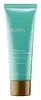
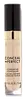
Biossance Squalane + Zinc Sheer Mineral Sunscreen SPF 30 PA +++ Versus Milani Conceal + Perfect Longwear Concealer

What's inside
What's inside
 Key Ingredients
Benefits
Concerns
Ingredients Side-by-side
Zinc Oxide
Cosmetic Colorant


Water
Skin ConditioningCaprylic/Capric Triglyceride
Masking


Squalane
Emollient
Glycerin
Humectant
Cetearyl Alcohol
Emollient



Methyl Dihydroabietate
Sorbitan Olivate
Emulsifying
Coco-Glucoside
Cleansing
Cetyl Palmitate
Emollient
Polyglyceryl-3 Polyricinoleate
Emulsifying
Caprylyl/Capryl Glucoside
CleansingNymphaea Alba Flower Extract
Skin ConditioningAcacia Senegal Gum
MaskingEthyl Ferulate
Antioxidant
Xanthan Gum
EmulsifyingSodium Gluconate
Skin ConditioningLecithin
Emollient
Sodium Palmitoyl Proline
Skin ConditioningPolyhydroxystearic Acid
Emulsifying
Ethylhexylglycerin
Skin ConditioningPhenoxyethanol
Preservative
Isostearic Acid
Cleansing
Zinc Oxide, Water, Caprylic/Capric Triglyceride, Squalane, Glycerin, Cetearyl Alcohol, Methyl Dihydroabietate, Sorbitan Olivate, Coco-Glucoside, Cetyl Palmitate, Polyglyceryl-3 Polyricinoleate, Caprylyl/Capryl Glucoside, Nymphaea Alba Flower Extract, Acacia Senegal Gum, Ethyl Ferulate, Xanthan Gum, Sodium Gluconate, Lecithin, Sodium Palmitoyl Proline, Polyhydroxystearic Acid, Ethylhexylglycerin, Phenoxyethanol, Isostearic Acid
Cyclopentasiloxane
Emollient
Water
Skin ConditioningDimethicone
Emollient
Mica
Cosmetic ColorantCetyl PEG/PPG-10/1 Dimethicone
Emulsifying
Methyl Methacrylate Crosspolymer
PEG-10 Dimethicone
Skin Conditioning
Trimethylsiloxysilicate
Emollient
Butylene Glycol
Humectant
Disteardimonium Hectorite
StabilisingPhenoxyethanol
Preservative
Silica Silylate
Emollient
Triethoxycaprylylsilane
Dimethicone/Vinyl Dimethicone Crosspolymer
Skin Conditioning
Cyclohexasiloxane
Emollient
Butyrospermum Parkii Butter
Skin Conditioning
Ethylhexylglycerin
Skin ConditioningPolyglyceryl-3 Diisostearate
Emulsifying
Polyhydroxystearic Acid
Emulsifying
Olea Europaea Fruit Oil
Masking

Sodium Chloride
MaskingSodium Hyaluronate
Humectant

Glycerin
Humectant
Lycopodium Clavatum Extract
Skin ConditioningImperata Cylindrica Root Extract
Skin ConditioningPotassium Sorbate
Preservative
Tocopherol
Antioxidant


CI 77891
Cosmetic ColorantIron Oxides
Cyclopentasiloxane, Water, Dimethicone, Mica, Cetyl PEG/PPG-10/1 Dimethicone, Methyl Methacrylate Crosspolymer, PEG-10 Dimethicone, Trimethylsiloxysilicate, Butylene Glycol, Disteardimonium Hectorite, Phenoxyethanol, Silica Silylate, Triethoxycaprylylsilane, Dimethicone/Vinyl Dimethicone Crosspolymer, Cyclohexasiloxane, Butyrospermum Parkii Butter, Ethylhexylglycerin, Polyglyceryl-3 Diisostearate, Polyhydroxystearic Acid, Olea Europaea Fruit Oil, Sodium Chloride, Sodium Hyaluronate, Glycerin, Lycopodium Clavatum Extract, Imperata Cylindrica Root Extract, Potassium Sorbate, Tocopherol, CI 77891, Iron Oxides
Reviews
Ingredients Explained
These ingredients are found in both products.
Ingredients higher up in an ingredient list are typically present in a larger amount.
Ethylhexylglycerin is created from glycerin. It is a multitasker ingredient that:
The CIR Expert Panel found minimal skin absorption or sensitization of any kind in a safety assessment. Though this ingredient is considered well-tolerated, a small number of cases of allergic dermatitis have been published since 2002. Just be sure to patch test if you are unsure.
Industry-reported use ranges from 8% in rinse-off products and 2% in leave-on formulations.
Learn more about EthylhexylglycerinGlycerin (or glycerol) is a compound naturally found in your skin. It's a powerhouse humectant that pulls water into the stratum corneum.
Topically, glycerin does several things at once:
Your skin makes glycerin on its own (mostly from sebaceous oil breakdown) and shuttles it to your outermost layer of skin, or your epidermis, via aquaporin-3.
Aquaporin-3 is a transporter that is essential for normal skin hydration, elasticity, and repair. Interestingly, mice lacking in AQP3 have dry and less elastic skin that can be fully corrected with glycerin.
This ingredient is non-irritating, plays well with almost every ingredient, and works across all skin types. Typical use is anywhere between 3-10% but can go up to 79% in some leave-on products.
Just know very high concentrations (>40%) can feel tacky in low humidity.
Glycerin is the name for this ingredient in American English. British English uses Glycerol/Glycerine.
Learn more about GlycerinPhenoxyethanol is a preservative that has germicide, antimicrobial, and aromatic properties. Studies show that phenoxyethanol can prevent microbial growth. By itself, it has a scent that is similar to that of a rose.
It's often used in formulations along with Caprylyl Glycol to preserve the shelf life of products.
Polyhydroxystearic Acid is a vegetable-derived soft wax made from castor oil. It's an emulsion stabilizer, thickener, and film former.
You'll likely see it in sunscreens because it helps disperse pigments and UV-reflecting minerals like titanium dioxide and zinc oxide evenly.
Depending on the concentration, it can drastically change the texture of a product from pasty solid (like lipstick) to sprayable liquid.
The CIR Expert Panel for Cosmetic Ingredient Safety has concluded this ingredient to be safe in cosmetics. The highest reported use concentration is 14.2% in lipsticks.
Learn more about Polyhydroxystearic AcidWater. It's the most common cosmetic ingredient of all. You'll usually see it at the top of ingredient lists, meaning that it makes up the largest part of the product.
So why is it so popular? Water most often acts as a solvent - this means that it helps dissolve other ingredients into the formulation.
You'll also recognize water as that liquid we all need to stay alive. If you see this, drink a glass of water. Remember to stay hydrated!
Learn more about Water
