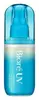
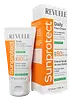
Biore UV Aqua Rich Aqua Protect Mist SPF 50 PA++++ Versus Revuele Sunprotect Daily Face Cream Oil Control SPF 50+
This chemical sunscreen covers the full UV range and blocks ~98% of UVB at SPF 50.
This hybrid sunscreen covers the full UV range and blocks ~98% of UVB at SPF 50.


What's inside
What's inside
 Key Ingredients
Benefits
Concerns
Ingredients Side-by-side
Alcohol
Antimicrobial




Ethylhexyl Methoxycinnamate
UV Absorber

Dimethicone
Emollient

Isononyl Isononanoate
EmollientC12-15 Alkyl Benzoate
AntimicrobialEthylhexyl Triazone
UV Absorber
Polysilicone-15
UV Filter
Trimethylsiloxysilicate
Emollient
Polysilicone-9
Squalane
Emollient


BHT
Antioxidant
Bis-Ethylhexyloxyphenol Methoxyphenyl Triazine
UV Absorber
Diethylamino Hydroxybenzoyl Hexyl Benzoate
UV Filter
Acrylates/Diacetoneacrylamide Copolymer
Dibutyl Ethylhexanoyl Glutamide
Skin ConditioningParfum
Masking

Alcohol, Ethylhexyl Methoxycinnamate, Dimethicone, Isononyl Isononanoate, C12-15 Alkyl Benzoate, Ethylhexyl Triazone, Polysilicone-15, Trimethylsiloxysilicate, Polysilicone-9, Squalane, BHT, Bis-Ethylhexyloxyphenol Methoxyphenyl Triazine, Diethylamino Hydroxybenzoyl Hexyl Benzoate, Acrylates/Diacetoneacrylamide Copolymer, Dibutyl Ethylhexanoyl Glutamide, Parfum
Water
Skin ConditioningHomosalate
Skin Conditioning
Ethylhexyl Dimethyl Paba
UV Absorber
Ethylhexyl Salicylate
UV Absorber
Butyl Methoxydibenzoylmethane
UV Absorber
Terephthalylidene Dicamphor Sulfonic Acid
UV Absorber
Phenylbenzimidazole Sulfonic Acid
UV Absorber
Cetearyl Alcohol
Emollient




C12-15 Alkyl Benzoate
AntimicrobialGlycerin
Humectant
Polymethylsilsesquioxane
Dimethicone
Emollient
Isohexadecane
EmollientCetearyl Methicone
Skin Conditioning
PEG-40 Stearate
Emulsifying
Steareth-2
EmulsifyingSteareth-21
CleansingGlyceryl Stearate Se
Emulsifying
Zinc Oxide
Cosmetic Colorant
Glyceryl Stearate
Emollient
Ceteareth-20
Cleansing
Ceteareth-12
EmulsifyingCetyl Palmitate
Emollient
Betaine
Humectant
Sodium Hyaluronate
Humectant

Butylene Glycol
Humectant
Enantia Chlorantha Bark Extract
Skin ConditioningPhenoxyethanol
Preservative
Parfum
Masking
Tocopheryl Acetate
Antioxidant

Allantoin
Skin Conditioning
Triethanolamine
BufferingAcrylates/C10-30 Alkyl Acrylate Crosspolymer
Emulsion StabilisingOleanolic Acid
Skin ConditioningWater, Homosalate, Ethylhexyl Dimethyl Paba, Ethylhexyl Salicylate, Butyl Methoxydibenzoylmethane, Terephthalylidene Dicamphor Sulfonic Acid, Phenylbenzimidazole Sulfonic Acid, Cetearyl Alcohol, C12-15 Alkyl Benzoate, Glycerin, Polymethylsilsesquioxane, Dimethicone, Isohexadecane, Cetearyl Methicone, PEG-40 Stearate, Steareth-2, Steareth-21, Glyceryl Stearate Se, Zinc Oxide, Glyceryl Stearate, Ceteareth-20, Ceteareth-12, Cetyl Palmitate, Betaine, Sodium Hyaluronate, Butylene Glycol, Enantia Chlorantha Bark Extract, Phenoxyethanol, Parfum, Tocopheryl Acetate, Allantoin, Triethanolamine, Acrylates/C10-30 Alkyl Acrylate Crosspolymer, Oleanolic Acid
Reviews
Ingredients Explained
These ingredients are found in both products.
Ingredients higher up in an ingredient list are typically present in a larger amount.
C12-15 Alkyl Benzoate is a lightweight emollient made by combinig benzoic acid with fatty alcohols that are 12-15 carbons long.
In cosmetics, it plays several roles:
The Cosmetic Review Expert Panel has concluded the alkyl benzoate group to be safe as used in cosmetics; it wasn't found to be a skin irritant and unlikely to be absorbed due to its low water solubility.
This report recorded almost 1000 reported uses with concentrations up to 59% in leave-on products but your cosmetics will typically use 0.5-15% depending on the product.
It's often called a "SPF booster": this is because it keeps UV filters properly dissolved and evenly distributed to support a sunscreen's performance. It doesn't actually raise SPF on its own.
Overall, this ingredient is well tolerated.
This ingredient is fungal acne safe because it is an ester of benzoic acid.
Think of this ingredient as two parts stuck together: an oily part and an acid part. Malassezia only gets a meal when it can snip off a fatty acid to eat. With C12-15 Alkyl Benzoate, the acid part is benzoic acid, which isn't a fatty acid and which the yeast can't use as food.
Benzoic acid is actually used as a preservative to stop yeast from growing.
The oily part is a blend of C12-15 fatty alcohols but fatty alcohols in this size range can support only a little Malassezia growth (mostly for one species of Malassezia as well).
In the ingredient, those alcohols stay locked inside the molecule. The yeast can only reach them by snipping the benzoate bond, and that type of bond is harder for it to cut than a normal fatty bond.
So not much gets released. And whatever does get snipped comes packaged with benzoic acid, which discourages yeast growth.
Learn more about C12-15 Alkyl BenzoateDimethicone is a type of synthetic silicone created from natural materials such as quartz. It is also known as polydimethylsiloxane.
What it does:
Dimethicone comes in different viscosities:
Depending on the viscosity, dimethicone has different properties.
Ingredients lists don't always show which type is used, so we recommend reaching out to the brand if you have questions about the viscosity.
This ingredient is unlikely to cause irritation because it does not get absorbed into skin. However, people with silicone allergies should be careful about using this ingredient.
Note: Dimethicone may contribute to pilling. This is because it is not oil or water soluble, so pilling may occur when layered with products. When mixed with heavy oils in a formula, the outcome is also quite greasy.
Learn more about DimethiconeParfum is a catch-all term for an ingredient or more that is used to give a scent to products.
Also called "fragrance", this ingredient can be a blend of hundreds of chemicals or plant oils. This means every product with "fragrance" or "parfum" in the ingredients list is a different mixture.
For instance, Habanolide is a proprietary trade name for a specific aroma chemical. When used as a fragrance ingredient in cosmetics, most aroma chemicals fall under the broad labeling category of “FRAGRANCE” or “PARFUM” according to EU and US regulations.
The term 'parfum' or 'fragrance' is not regulated in many countries. In many cases, it is up to the brand to define this term.
For instance, many brands choose to label themselves as "fragrance-free" because they are not using synthetic fragrances. However, their products may still contain ingredients such as essential oils that are considered a fragrance by INCI standards.
One example is Calendula flower extract. Calendula is an essential oil that still imparts a scent or 'fragrance'.
Depending on the blend, the ingredients in the mixture can cause allergies and sensitivities on the skin. Some ingredients that are known EU allergens include linalool and citronellol.
Parfum can also be used to mask or cover an unpleasant scent.
The bottom line is: not all fragrances/parfum/ingredients are created equally. If you are worried about fragrances, we recommend taking a closer look at an ingredient. And of course, we always recommend speaking with a professional.
Learn more about Parfum

