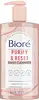
This salicylic acid foaming cleanser is formulated around Salicylic Acid to clear breakouts and unclog pores.
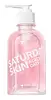
This mild gel cleanser is made to cleanse without leaving your skin tight or dry.


What's inside
What's inside
 Key Ingredients
Benefits
Concerns
Ingredients Side-by-side
Water
Skin ConditioningGlycerin
Humectant


Sodium Laureth Sulfate
Cleansing



Cocamidopropyl Betaine
Cleansing

Sorbitol
Humectant
Laureth-4 Carboxylic Acid
SurfactantEthylhexylglycerin
Skin ConditioningAcrylates/C10-30 Alkyl Acrylate Crosspolymer
Emulsion StabilisingParfum
Masking

Sodium Hydroxide
BufferingMenthol
Masking
Polyquaternium-39
Disodium EDTA
ChelatingCharcoal Powder
Abrasive


Mannitol
Humectant
Cellulose
Absorbent
Caprylic/Capric Triglyceride
Masking
Hydroxypropyl Methylcellulose
Emulsion StabilisingSodium Benzoate
Masking
Salicylic Acid
Masking



Iron Oxides
Water, Glycerin, Sodium Laureth Sulfate, Cocamidopropyl Betaine, Sorbitol, Laureth-4 Carboxylic Acid, Ethylhexylglycerin, Acrylates/C10-30 Alkyl Acrylate Crosspolymer, Parfum, Sodium Hydroxide, Menthol, Polyquaternium-39, Disodium EDTA, Charcoal Powder, Mannitol, Cellulose, Caprylic/Capric Triglyceride, Hydroxypropyl Methylcellulose, Sodium Benzoate, Salicylic Acid, Iron Oxides
Water
Skin ConditioningGlycerin
Humectant
Sodium Cocoyl Glutamate
Cleansing
Panthenol
Skin Conditioning

Acrylates/C10-30 Alkyl Acrylate Crosspolymer
Emulsion StabilisingCoco-Betaine
Cleansing
1,2-Hexanediol
Skin Conditioning
Caprylyl Glycol
Emollient
Coco-Glucoside
Cleansing
Chlorella Vulgaris Extract
Skin ConditioningGlucose
Humectant
Citrus Aurantium Bergamia Fruit Oil
Masking

Butylene Glycol
Humectant
Fructooligosaccharides
Humectant
Fructose
Humectant
Sodium Cocoyl Isethionate
Cleansing
Citric Acid
Buffering
Sodium Phytate
ChelatingCitrus Nobilis Peel Oil
Masking
Polyquaternium-67
Pentylene Glycol
Skin Conditioning
Avena Sativa Kernel Extract
Abrasive
Gardenia Florida Fruit Extract
Skin ConditioningEuterpe Oleracea Fruit Extract
Quillaja Saponaria Bark Extract
CleansingDextrin
AbsorbentAcetyl Glucosamine
Skin Conditioning

Sodium Hyaluronate
Humectant
Oryza Sativa Extract
Absorbent
Hydroxyacetophenone
Antioxidant
Avena Sativa Meal Extract
SoothingCentella Asiatica Leaf Extract
Skin Conditioning
Hydrogenated Lecithin
Emulsifying
Ethylhexylglycerin
Skin ConditioningVigna Radiata Seed Extract
Skin ConditioningCholesterol
Emollient
PEG-800
HumectantSodium Hyaluronate Crosspolymer
Humectant
Polysorbate 20
Emulsifying
Asiaticoside
Antioxidant
Asiatic Acid
Skin Conditioning
Madecassic Acid
Skin Conditioning
Sh-Oligopeptide-1
Skin Conditioning
Sh-Polypeptide-1
Skin Conditioning
Sh-Oligopeptide-2
Skin Conditioning
Sh-Polypeptide-22
Skin Conditioning
Sh-Polypeptide-45
Skin Conditioning
Sh-Polypeptide-8
Humectant
Sh-Polypeptide-9
Skin Conditioning
Water, Glycerin, Sodium Cocoyl Glutamate, Panthenol, Acrylates/C10-30 Alkyl Acrylate Crosspolymer, Coco-Betaine, 1,2-Hexanediol, Caprylyl Glycol, Coco-Glucoside, Chlorella Vulgaris Extract, Glucose, Citrus Aurantium Bergamia Fruit Oil, Butylene Glycol, Fructooligosaccharides, Fructose, Sodium Cocoyl Isethionate, Citric Acid, Sodium Phytate, Citrus Nobilis Peel Oil, Polyquaternium-67, Pentylene Glycol, Avena Sativa Kernel Extract, Gardenia Florida Fruit Extract, Euterpe Oleracea Fruit Extract, Quillaja Saponaria Bark Extract, Dextrin, Acetyl Glucosamine, Sodium Hyaluronate, Oryza Sativa Extract, Hydroxyacetophenone, Avena Sativa Meal Extract, Centella Asiatica Leaf Extract, Hydrogenated Lecithin, Ethylhexylglycerin, Vigna Radiata Seed Extract, Cholesterol, PEG-800, Sodium Hyaluronate Crosspolymer, Polysorbate 20, Asiaticoside, Asiatic Acid, Madecassic Acid, Sh-Oligopeptide-1, Sh-Polypeptide-1, Sh-Oligopeptide-2, Sh-Polypeptide-22, Sh-Polypeptide-45, Sh-Polypeptide-8, Sh-Polypeptide-9
Reviews
Ingredients Explained
These ingredients are found in both products.
Ingredients higher up in an ingredient list are typically present in a larger amount.
Acrylates/C10-30 Alkyl Acrylate Crosspolymer is a synthetic polymer. It is used to thicken, emulsify, and improve the texture of products.
As an emulsifier, it helps stabilize oil-in-water emulsions to give products an elegant feel when applied.
It can also form a thin protective film on skin. One study found that a formula using this polymer helped slow down how quickly other ingredients (like DEET) were absorbed through skin.
A 2024 study of over 1,300 patients confirmed that sensitization to this ingredient is rare. It is also non-mutagenic and has a clean track record.
Learn more about Acrylates/C10-30 Alkyl Acrylate CrosspolymerEthylhexylglycerin is created from glycerin. It is a multitasker ingredient that:
The CIR Expert Panel found minimal skin absorption or sensitization of any kind in a safety assessment. Though this ingredient is considered well-tolerated, a small number of cases of allergic dermatitis have been published since 2002. Just be sure to patch test if you are unsure.
Industry-reported use ranges from 8% in rinse-off products and 2% in leave-on formulations.
Learn more about EthylhexylglycerinGlycerin (or glycerol) is a compound naturally found in your skin. It's a powerhouse humectant that pulls water into the stratum corneum.
Topically, glycerin does several things at once:
Your skin makes glycerin on its own (mostly from sebaceous oil breakdown) and shuttles it to your outermost layer of skin, or your epidermis, via aquaporin-3.
Aquaporin-3 is a transporter that is essential for normal skin hydration, elasticity, and repair. Interestingly, mice lacking in AQP3 have dry and less elastic skin that can be fully corrected with glycerin.
This ingredient is non-irritating, plays well with almost every ingredient, and works across all skin types. Typical use is anywhere between 3-10% but can go up to 79% in some leave-on products.
Just know very high concentrations (>40%) can feel tacky in low humidity.
Glycerin is the name for this ingredient in American English. British English uses Glycerol/Glycerine.
Learn more about GlycerinWater. It's the most common cosmetic ingredient of all. You'll usually see it at the top of ingredient lists, meaning that it makes up the largest part of the product.
So why is it so popular? Water most often acts as a solvent - this means that it helps dissolve other ingredients into the formulation.
You'll also recognize water as that liquid we all need to stay alive. If you see this, drink a glass of water. Remember to stay hydrated!
Learn more about Water

