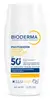
This chemical sunscreen covers the full UV range and blocks ~98% of UVB at SPF 50.
This chemical sunscreen covers burning UVB and near UVA but not the deep UVA that drives aging.


What's inside
What's inside
 Key Ingredients
Benefits
Concerns
Ingredients Side-by-side
Water
Skin ConditioningC12-15 Alkyl Benzoate
AntimicrobialSilica
Abrasive


Glycerin
Humectant


Bis-Ethylhexyloxyphenol Methoxyphenyl Triazine
UV Absorber
Butyl Methoxydibenzoylmethane
UV Absorber
Ethylhexyl Methoxycrylene
Skin Conditioning
Diethylamino Hydroxybenzoyl Hexyl Benzoate
UV Filter
Diisopropyl Sebacate
EmollientLauroyl Lysine
Skin Conditioning
Propanediol
Solvent
Dicaprylyl Carbonate
Emollient1,2-Hexanediol
Skin Conditioning
Polysorbate 60
Emulsifying

Cetyl Phosphate
EmulsifyingArginine
Masking
Bentonite
Absorbent
Hydroxyacetophenone
Antioxidant
Parfum
Masking



Citric Acid
Buffering

Ectoin
Skin Conditioning


Mannitol
Humectant
Methoxyphenylimino Dimethylcyclohexene Glycine
Antioxidant
Sodium Phytate
Xanthan Gum
EmulsifyingXylitol
Humectant
Rhamnose
HumectantO-Cymen-5-Ol
Antimicrobial
Biosaccharide Gum-4
Skin Conditioning
Trimethoxybenzyl Acetylsinapate
BleachingSodium Hyaluronate
Humectant
Tocopherol
Antioxidant

Water, C12-15 Alkyl Benzoate, Silica, Glycerin, Bis-Ethylhexyloxyphenol Methoxyphenyl Triazine, Butyl Methoxydibenzoylmethane, Ethylhexyl Methoxycrylene, Diethylamino Hydroxybenzoyl Hexyl Benzoate, Diisopropyl Sebacate, Lauroyl Lysine, Propanediol, Dicaprylyl Carbonate, 1,2-Hexanediol, Polysorbate 60, Cetyl Phosphate, Arginine, Bentonite, Hydroxyacetophenone, Parfum, Citric Acid, Ectoin, Mannitol, Methoxyphenylimino Dimethylcyclohexene Glycine, Sodium Phytate, Xanthan Gum, Xylitol, Rhamnose, O-Cymen-5-Ol, Biosaccharide Gum-4, Trimethoxybenzyl Acetylsinapate, Sodium Hyaluronate, Tocopherol
Water
Skin ConditioningTris-Biphenyl Triazine
UV Absorber
Dipropylene Glycol
HumectantStearoyl Inulin
EmollientAscorbyl Tetraisopalmitate
Antioxidant
Aspalathus Linearis Extract
Skin ConditioningEucalyptus Globulus Leaf Extract
Perfuming
Hydrolyzed Collagen
Emollient
Hydrolyzed Silk
Humectant
Hydroxyproline
Skin ConditioningSoluble Collagen
Humectant
Tocopherol
Antioxidant
Alumina
Abrasive
BHT
Antioxidant
Butylene Glycol
Humectant
Cetearyl Alcohol
Emollient



Dimethicone/Polyglycerin-3 Crosspolymer
Cleansing
Isohexadecane
EmollientNylon-12

PEG-10 Hydrogenated Castor Oil
Emollient
PEG-40 Hydrogenated Castor Oil
Emulsifying
Polyhydroxystearic Acid
Emulsifying
Polysorbate 80
Emulsifying
Sodium Acrylate/Sodium Acryloyldimethyl Taurate Copolymer
Emulsion StabilisingSorbitan Oleate
Emulsifying
Stearic Acid
Cleansing
Triethoxycaprylylsilane
Triethylhexanoin
MaskingTrilaureth-4 Phosphate
EmulsifyingVinyl Dimethicone/Lauryl Dimethicone Crosspolymer
Surfactant
Xanthan Gum
EmulsifyingPhenoxyethanol
Preservative
Parfum
Masking
Citronellol
Perfuming
Limonene
Perfuming
Linalool
Perfuming
CI 77891
Cosmetic ColorantWater, Tris-Biphenyl Triazine, Dipropylene Glycol, Stearoyl Inulin, Ascorbyl Tetraisopalmitate, Aspalathus Linearis Extract, Eucalyptus Globulus Leaf Extract, Hydrolyzed Collagen, Hydrolyzed Silk, Hydroxyproline, Soluble Collagen, Tocopherol, Alumina, BHT, Butylene Glycol, Cetearyl Alcohol, Dimethicone/Polyglycerin-3 Crosspolymer, Isohexadecane, Nylon-12, PEG-10 Hydrogenated Castor Oil, PEG-40 Hydrogenated Castor Oil, Polyhydroxystearic Acid, Polysorbate 80, Sodium Acrylate/Sodium Acryloyldimethyl Taurate Copolymer, Sorbitan Oleate, Stearic Acid, Triethoxycaprylylsilane, Triethylhexanoin, Trilaureth-4 Phosphate, Vinyl Dimethicone/Lauryl Dimethicone Crosspolymer, Xanthan Gum, Phenoxyethanol, Parfum, Citronellol, Limonene, Linalool, CI 77891
Reviews
Ingredients Explained
These ingredients are found in both products.
Ingredients higher up in an ingredient list are typically present in a larger amount.
Parfum is a catch-all term for an ingredient or more that is used to give a scent to products.
Also called "fragrance", this ingredient can be a blend of hundreds of chemicals or plant oils. This means every product with "fragrance" or "parfum" in the ingredients list is a different mixture.
For instance, Habanolide is a proprietary trade name for a specific aroma chemical. When used as a fragrance ingredient in cosmetics, most aroma chemicals fall under the broad labeling category of “FRAGRANCE” or “PARFUM” according to EU and US regulations.
The term 'parfum' or 'fragrance' is not regulated in many countries. In many cases, it is up to the brand to define this term.
For instance, many brands choose to label themselves as "fragrance-free" because they are not using synthetic fragrances. However, their products may still contain ingredients such as essential oils that are considered a fragrance by INCI standards.
One example is Calendula flower extract. Calendula is an essential oil that still imparts a scent or 'fragrance'.
Depending on the blend, the ingredients in the mixture can cause allergies and sensitivities on the skin. Some ingredients that are known EU allergens include linalool and citronellol.
Parfum can also be used to mask or cover an unpleasant scent.
The bottom line is: not all fragrances/parfum/ingredients are created equally. If you are worried about fragrances, we recommend taking a closer look at an ingredient. And of course, we always recommend speaking with a professional.
Learn more about ParfumTocopherol is a fat-soluble antioxidant known as Vitamin E.
You'll find this ingredient in the vast majority of skincare (for good reason). It works to neutralize free radicals, or unstable molecules generated by UV exposure, pollution, and other environmental stressors, before they can cause oxidative damage to your skin cells.
Topically applied tocopherol has been shown to protect against UV damage by ramping up the skin's own natural defense enzymes.
It also acts as a skin conditioning agent; some studies show that regular topical use can improve the skin's water-binding capacity over 2-4 weeks.
This ingredient is especially loved for being a team player. When combined with Vitamin C, the photoprotective effect of both ingredients roughly doubles and the combo also helps reduce UV-induced DNA damage.
This ingredient has some brightening potential but it's more of a prevention ingredient than spot-fader. Cell studies show it can slow down melanin production but it's worth noting that it's not the most powerful brightener out there.
In formulations, it also serves as a stabilizer that helps protect other oxidation-prone ingredients from degrading.
Concentrations usually range from 0.1-1% in most leave-on products.
Learn more about TocopherolWater. It's the most common cosmetic ingredient of all. You'll usually see it at the top of ingredient lists, meaning that it makes up the largest part of the product.
So why is it so popular? Water most often acts as a solvent - this means that it helps dissolve other ingredients into the formulation.
You'll also recognize water as that liquid we all need to stay alive. If you see this, drink a glass of water. Remember to stay hydrated!
Learn more about WaterXanthan gum is used as a stabilizer and thickener within cosmetic products. It helps give products a sticky, thick feeling - preventing them from being too runny.
On the technical side of things, xanthan gum is a polysaccharide - a combination consisting of multiple sugar molecules bonded together.
Xanthan gum is a pretty common and great ingredient. It is a natural, non-toxic, non-irritating ingredient that is also commonly used in food products.
Learn more about Xanthan Gum

