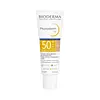
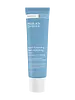
Bioderma Photoderm M SPF 50+ Versus Paula's Choice Resist Youth-Extending Daily Hydrating Fluid SPF 50


What's inside
What's inside
 Key Ingredients
Benefits
Concerns
Ingredients Side-by-side
Water
Skin ConditioningDibutyl Adipate
EmollientCI 77891
Cosmetic ColorantTitanium Dioxide
Cosmetic Colorant

Diisopropyl Sebacate
EmollientDiethylamino Hydroxybenzoyl Hexyl Benzoate
UV Filter
Methylene Bis-Benzotriazolyl Tetramethylbutylphenol
UV Filter
Diethylhexyl Butamido Triazone
UV Absorber
Potassium Cetyl Phosphate
EmulsifyingBis-Ethylhexyloxyphenol Methoxyphenyl Triazine
Skin Conditioning
Corn Starch Modified
AbsorbentPentylene Glycol
Skin ConditioningPropanediol
Solvent
CI 77492
Cosmetic ColorantSilica
Abrasive


C20-22 Alkyl Phosphate
EmulsifyingC20-22 Alcohols
Emulsion StabilisingDecyl Glucoside
CleansingTocopheryl Acetate
Antioxidant

CI 77491
Cosmetic ColorantPolyacrylate Crosspolymer-6
Emulsion StabilisingCaprylyl Glycol
Emollient
Xanthan Gum
EmulsifyingCI 77499
Cosmetic ColorantEctoin
Skin Conditioning



Mannitol
Humectant
Xylitol
Humectant
Sodium Lauroyl Glutamate
Rhamnose
HumectantLysine
Skin ConditioningPropylene Glycol
Humectant
Sodium Hydroxide
BufferingMagnesium Chloride
Glabridin
BleachingFructooligosaccharides
Humectant
Caprylic/Capric Triglyceride
Masking
Laminaria Ochroleuca Extract
Skin Conditioning
Water, Dibutyl Adipate, CI 77891, Titanium Dioxide, Diisopropyl Sebacate, Diethylamino Hydroxybenzoyl Hexyl Benzoate, Methylene Bis-Benzotriazolyl Tetramethylbutylphenol, Diethylhexyl Butamido Triazone, Potassium Cetyl Phosphate, Bis-Ethylhexyloxyphenol Methoxyphenyl Triazine, Corn Starch Modified, Pentylene Glycol, Propanediol, CI 77492, Silica, C20-22 Alkyl Phosphate, C20-22 Alcohols, Decyl Glucoside, Tocopheryl Acetate, CI 77491, Polyacrylate Crosspolymer-6, Caprylyl Glycol, Xanthan Gum, CI 77499, Ectoin, Mannitol, Xylitol, Sodium Lauroyl Glutamate, Rhamnose, Lysine, Propylene Glycol, Sodium Hydroxide, Magnesium Chloride, Glabridin, Fructooligosaccharides, Caprylic/Capric Triglyceride, Laminaria Ochroleuca Extract
Butyl Methoxydibenzoylmethane 2%
UV Absorber
Ethylhexyl Methoxycinnamate 7.5%
UV Absorber
Ethylhexyl Salicylate 5%
UV Absorber
Octocrylene 2%
UV Absorber
Water
Skin ConditioningGlycerin
Humectant

Silica
Abrasive
Dimethicone
Emollient
Tocopherol
Antioxidant
Chamomilla Recutita Flower Extract
Masking
Vitis Vinifera Seed Extract
Antimicrobial
Camellia Sinensis Leaf Extract
Antimicrobial
Camellia Oleifera Leaf Extract
AstringentPeucedanum Graveolens Extract
TonicSambucus Nigra Fruit Extract
AstringentAvena Sativa Bran Extract
Abrasive
Punica Granatum Extract
AstringentLycium Barbarum Fruit Extract
Astringent
Hydrogenated Lecithin
Emulsifying
Titanium Dioxide
Cosmetic Colorant
Dimethicone/Vinyl Dimethicone Crosspolymer
Skin Conditioning
Diethylhexyl Syringylidenemalonate
Skin ProtectingHydroxyethyl Acrylate/Sodium Acryloyldimethyl Taurate Copolymer
Emulsion StabilisingXanthan Gum
EmulsifyingSodium Carbomer
Emulsion StabilisingBenzyl Alcohol
Perfuming





Sodium Benzoate
Masking
Potassium Sorbate
Preservative
Phenoxyethanol
Preservative
Butyl Methoxydibenzoylmethane 2%, Ethylhexyl Methoxycinnamate 7.5%, Ethylhexyl Salicylate 5%, Octocrylene 2%, Water, Glycerin, Silica, Dimethicone, Tocopherol, Chamomilla Recutita Flower Extract, Vitis Vinifera Seed Extract, Camellia Sinensis Leaf Extract, Camellia Oleifera Leaf Extract, Peucedanum Graveolens Extract, Sambucus Nigra Fruit Extract, Avena Sativa Bran Extract, Punica Granatum Extract, Lycium Barbarum Fruit Extract, Hydrogenated Lecithin, Titanium Dioxide, Dimethicone/Vinyl Dimethicone Crosspolymer, Diethylhexyl Syringylidenemalonate, Hydroxyethyl Acrylate/Sodium Acryloyldimethyl Taurate Copolymer, Xanthan Gum, Sodium Carbomer, Benzyl Alcohol, Sodium Benzoate, Potassium Sorbate, Phenoxyethanol
Reviews
Ingredients Explained
These ingredients are found in both products.
Ingredients higher up in an ingredient list are typically present in a larger amount.
Silica, also known as silicon dioxide, is a naturally occurring mineral. It is used as a fine, spherical, and porous powder in cosmetics.
Though it has exfoliant properties, the function of silica varies depending on the product.
The unique structure of silica enhances the spreadability and adds smoothness, making it a great texture enhancer.
It is also used as an active carrier, emulsifier, and mattifier due to its ability to absorb excess oil.
In some products, tiny microneedles called spicules are made from silica or hydrolyzed sponge. When you rub them in, they lightly polish away dead skin layers and enhance the penetration of active ingredients.
Learn more about SilicaTitanium dioxide is a mineral UV filter widely used in sunscreens and cosmetics.
It is one of only two UV filters officially classified as “mineral” by regulatory agencies, the other being zinc oxide.
Titanium dioxide provides broad-spectrum protection mostly in the UVB and UVAII range, with some protection in the UVAI range.
While its UVA protection isn’t as strong as zinc oxide’s, the difference is minor.
A common myth is that mineral UV filters reflect UV light. However, modern research shows titanium dioxide absorbs UV radiation like chemical filters (~95% absorption & 5% reflection).
Thanks to its non-irritating nature, titanium dioxide is suitable for sensitive, acne-prone, or redness-prone skin. It is unlikely to cause "eye sting" like other sunscreen ingredients.
A major drawback of this ingredient is its white cast and thick texture. This is why mineral sunscreens often leave a white cast and are less cosmetically elegant than chemical/hybrid sunscreens.
To improve white cast and spreadability, micronized or nano-sized titanium dioxide is often used.
There are ongoing concerns surrounding nano-titanium oxide's impact on marine ecosystems.
There is no conclusive evidence that any form of titanium oxide (or any other sunscreen ingredients) will cause harm to marine ecosystems or coral reefs. The science is still developing but many consumers are keeping a close eye on this issue.
Please note, many destinations have reef-safety sunscreen rules. For instance, the U.S. Virgin Islands advises all visitors to use non-nano mineral sunscreens.
Nano mineral sunscreens once raised safety concerns about absorption into skin.
Extensive research has shown that they do not penetrate healthy or damaged skin; they remain safely on the surface and the top layer of dead skin (stratum corneum).
You'll likely find titanium dioxide bundled with alumina, silica, or dimethicone. These ingredients help make titanium dioxide highly photostable; this prevents it from interacting with other formula components under UV light.
Learn more about Titanium DioxideWater. It's the most common cosmetic ingredient of all. You'll usually see it at the top of ingredient lists, meaning that it makes up the largest part of the product.
So why is it so popular? Water most often acts as a solvent - this means that it helps dissolve other ingredients into the formulation.
You'll also recognize water as that liquid we all need to stay alive. If you see this, drink a glass of water. Stay hydrated!
Learn more about WaterXanthan gum is used as a stabilizer and thickener within cosmetic products. It helps give products a sticky, thick feeling - preventing them from being too runny.
On the technical side of things, xanthan gum is a polysaccharide - a combination consisting of multiple sugar molecules bonded together.
Xanthan gum is a pretty common and great ingredient. It is a natural, non-toxic, non-irritating ingredient that is also commonly used in food products.
Learn more about Xanthan Gum
