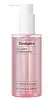
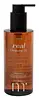
This oil-based makeup remover is made to dissolve makeup, sunscreen, and daily buildup.
This oil-based makeup remover is made to dissolve makeup, sunscreen, and daily buildup.

What's inside
What's inside
 Key Ingredients
Benefits
Concerns
Ingredients Side-by-side
Ethylhexyl Palmitate
Emollient




Cetyl Ethylhexanoate
EmollientPolyglyceryl-10 Diisostearate
Emulsifying
Polyglyceryl-6 Dicaprate
EmulsifyingSorbitan Sesquioleate
Emulsifying
Polyglyceryl-2 Laurate
Emulsifying
Water
Skin ConditioningPyrus Communis Fruit Extract
Skin ConditioningRosa Damascena Flower Water
Masking

Eclipta Prostrata Extract
Skin Conditioning
Iris Florentina Root Extract
MaskingCucumis Melo Seed Extract
Skin ConditioningHedera Helix Leaf/Stem Extract
AntimicrobialMelia Azadirachta Leaf Extract
Skin ConditioningCaprylyl Glycol
Emollient
Vitis Vinifera Seed Oil
Emollient

Helianthus Annuus Seed Oil
Emollient
Simmondsia Chinensis Seed Oil
Emollient

Ethylhexylglycerin
Skin ConditioningMoringa Oleifera Seed Oil
Emollient
Butylene Glycol
Humectant
1,2-Hexanediol
Skin Conditioning
Collagen Extract
Skin Conditioning
Acetyl Hexapeptide-8
Humectant
Tocopherol
Antioxidant



Oligopeptide-1
Skin Conditioning
Copper Tripeptide-1
Skin Conditioning
Palmitoyl Pentapeptide-4
Skin Conditioning
Palmitoyl Tripeptide-5
Skin Conditioning
Tripeptide-1
Skin Conditioning
Hexapeptide-9
Skin Conditioning
Palmitoyl Tripeptide-38
Skin Conditioning
Pentapeptide-4
Skin Conditioning
Hexapeptide-12
Skin Conditioning
Ethylhexyl Palmitate, Cetyl Ethylhexanoate, Polyglyceryl-10 Diisostearate, Polyglyceryl-6 Dicaprate, Sorbitan Sesquioleate, Polyglyceryl-2 Laurate, Water, Pyrus Communis Fruit Extract, Rosa Damascena Flower Water, Eclipta Prostrata Extract, Iris Florentina Root Extract, Cucumis Melo Seed Extract, Hedera Helix Leaf/Stem Extract, Melia Azadirachta Leaf Extract, Caprylyl Glycol, Vitis Vinifera Seed Oil, Helianthus Annuus Seed Oil, Simmondsia Chinensis Seed Oil, Ethylhexylglycerin, Moringa Oleifera Seed Oil, Butylene Glycol, 1,2-Hexanediol, Collagen Extract, Acetyl Hexapeptide-8, Tocopherol, Oligopeptide-1, Copper Tripeptide-1, Palmitoyl Pentapeptide-4, Palmitoyl Tripeptide-5, Tripeptide-1, Hexapeptide-9, Palmitoyl Tripeptide-38, Pentapeptide-4, Hexapeptide-12
Ethylhexyl Palmitate
Emollient
Sorbeth-30 Tetraoleate
Emulsifying
Triethylhexanoin
MaskingHelianthus Annuus Seed Oil
Emollient
Polyisobutene
Ethylhexyl Stearate
Emollient
Isononyl Isononanoate
EmollientIsopropyl Palmitate
Emollient
Isohexadecane
EmollientEthylhexyl Pelargonate
EmollientCaprylic/Capric Triglyceride
Masking
1,2-Hexanediol
Skin Conditioning
Pentaerythrityl Tetra-Di-T-Butyl Hydroxyhydrocinnamate
Antioxidant
Camellia Oleifera Seed Oil
Skin Conditioning
Olea Europaea Fruit Oil
Masking
Argania Spinosa Kernel Oil
Emollient
Simmondsia Chinensis Seed Oil
Emollient
Camellia Sinensis Seed Oil
Humectant
Macadamia Ternifolia Seed Oil
Emollient
Monascus Extract
Skin ConditioningOrbignya Oleifera Seed Oil
Emollient
Tocopherol
Antioxidant
Ethylhexyl Palmitate, Sorbeth-30 Tetraoleate, Triethylhexanoin, Helianthus Annuus Seed Oil, Polyisobutene, Ethylhexyl Stearate, Isononyl Isononanoate, Isopropyl Palmitate, Isohexadecane, Ethylhexyl Pelargonate, Caprylic/Capric Triglyceride, 1,2-Hexanediol, Pentaerythrityl Tetra-Di-T-Butyl Hydroxyhydrocinnamate, Camellia Oleifera Seed Oil, Olea Europaea Fruit Oil, Argania Spinosa Kernel Oil, Simmondsia Chinensis Seed Oil, Camellia Sinensis Seed Oil, Macadamia Ternifolia Seed Oil, Monascus Extract, Orbignya Oleifera Seed Oil, Tocopherol
Reviews
Ingredients Explained
These ingredients are found in both products.
Ingredients higher up in an ingredient list are typically present in a larger amount.
1,2-Hexanediol is a synthetic liquid and another multi-functional powerhouse.
It is a:
- Humectant, drawing moisture into the skin
- Emollient, helping to soften skin
- Solvent, dispersing and stabilizing formulas
- Preservative booster, enhancing the antimicrobial activity of other preservatives
Ethylhexyl Palmitate, also known as octyl palmitate, is created from 2-ethylhexyl alcohol and palmitic acid.
In cosmetics, it plays many roles:
One thing worth noting: a controlled study found this ingredient applied under occlusion to acne-prone subjects increased microcomedones. Just keep in mind this was under occlusive conditions and don't reflect how most products are used day-to-day.
For most people, this is a well-tolerated and lightweight ingredient.
This ingredient may not be fungal acne safe because it is an ester of palmitic acid, a C16 fatty acid that falls within the C11-24 range that Malassezia can metabolize.
You'll see this one rated 4 comedogenic all over the internet. That number isn't from a single study, and the actual research is more interesting.
The original rating comes from 1980s rabbit ear tests (which are a shaky basis for anything). But Ethylhexyl Palmitate is one of the few ingredients with real human data behind it. A 2021 controlled trial found this ingredient increased microcomedones by an average of 365% over four weeks.
Just know that test used the pure ingredient under an occlusive pad on back skin; most products use it at much lower levels alongside other ingredients and plenty of people use those with no issue.
Learn more about Ethylhexyl PalmitateHelianthus Annuus Seed Oil is a plant oil derived from the seeds of a sunflower.
It is rich in fatty acids, primarily linoleic acid and oleic acid. This gives it emollient and skin conditioning properties.
The reason this ingredient is so effective is because it forms a thin film on the skin that reduces transepidermal water loss (TEWL) while supplying linoleic acid to the stratum corneum to improve barrier strength.
The high linoleic acid content is particularly noteworthy for acne-prone skin.
Research suggests that acne-prone skin tends to be deficient in linoleic acid in sebum. Topical application may help replenish this to support a healthier follicular environment and less comedone-promoting sebum.
One randomized study found sunflower seed oil preserved skin barrier integrity in adult volunteers with and without atopic dermatitis (outperforming olive oil).
This ingredient is well-studied, gentle, and an effective emollient suitable for most skin types.
On fungal acne: This ingredient may not be Fungal acne (Malassezia folliculitis) safe. This is because it contains fatty acids with carbon chain lengths in the C11-C24 range.
Learn more about Helianthus Annuus Seed OilJojoba oil is one of the most well-studied plant-derived ingredients in cosmetics. It is an emollient with a special structure.
Because it is made up of 97-98% wax esters, it closely mirrors the linear monoesters found in human sebum. This makes it skin compatible, non-greasy, and lightweight.
Unlike other plant oils, jojoba wax doesn't easily penetrate skin. It mostly works in the uppermost layers as an emollient. This just means it forms a light barrier on the skin to help retain moisture.
Formulations with jojoba esters up to 90% reduced transepidermal water loss (TEWL) and increased barrier recovery by 81% (outperforming bisabolol at 47%).
Besides barrier support, the science also suggests jojoba to have anti-inflammatory effects and potential applications for skin infections, aging, and wound healing.
Fun fact: Indigenous cultures have used jojoba as a moisturizer and to help treat burns for centuries.
Fungal acne: The Malassezia yeast is known to metabolize fatty acids in the C11-24 range and jojoba's dominant fatty acid components fall into this range. This ingredient may not be fungal acne safe.
Learn more about Simmondsia Chinensis Seed OilTocopherol is a fat-soluble antioxidant known as Vitamin E.
You'll find this ingredient in the vast majority of skincare (for good reason). It works to neutralize free radicals, or unstable molecules generated by UV exposure, pollution, and other environmental stressors, before they can cause oxidative damage to your skin cells.
Topically applied tocopherol has been shown to protect against UV damage by ramping up the skin's own natural defense enzymes.
It also acts as a skin conditioning agent; some studies show that regular topical use can improve the skin's water-binding capacity over 2-4 weeks.
This ingredient is especially loved for being a team player. When combined with Vitamin C, the photoprotective effect of both ingredients roughly doubles and the combo also helps reduce UV-induced DNA damage.
This ingredient has some brightening potential but it's more of a prevention ingredient than spot-fader. Cell studies show it can slow down melanin production but it's worth noting that it's not the most powerful brightener out there.
In formulations, it also serves as a stabilizer that helps protect other oxidation-prone ingredients from degrading.
Concentrations usually range from 0.1-1% in most leave-on products.
Learn more about Tocopherol

