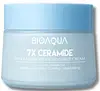
This barrier-repair moisturizer is formulated around Sodium Hyaluronate and Ceramide NP to strengthen the skin barrier and hydrate skin.
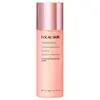
This brightening toner is formulated around Glycyrrhiza Glabra Root Extract and Niacinamide to brighten dull-looking skin and fade the look of dark spots.

What's inside
What's inside
 Key Ingredients
Benefits
Concerns
Ingredients Side-by-side
Water
Skin ConditioningPropylene Glycol
Humectant


Sodium Hyaluronate
Humectant



Cyclopentasiloxane
Emollient
Isohexadecane
EmollientGlycereth-26
Humectant
Trehalose
Humectant
Hamamelis Virginiana Extract
Antiseborrhoeic

Hydroxyethyl Acrylate/Sodium Acryloyldimethyl Taurate Copolymer
Emulsion StabilisingCeramide Ns
Skin Conditioning

Ceramide NP
Skin Conditioning
Ceramide Ng
Skin Conditioning
Ceramide Eos
Skin Conditioning
Ceramide EOP
Skin Conditioning
Ceramide As
Skin Conditioning
Ceramide AP
Skin Conditioning
Sodium Acrylate/Sodium Acryloyldimethyl Taurate Copolymer
Emulsion StabilisingPolysorbate 60
Emulsifying
C20-22 Alkyl Phosphate
EmulsifyingC20-22 Alcohols
Emulsion Stabilising
Allantoin
Skin Conditioning
Glycerin
Humectant
Hydroxyacetophenone
Antioxidant
Caprylhydroxamic Acid
ChelatingScutellaria Baicalensis Extract
AntimicrobialFucus Vesiculosus Extract
Emollient
Centella Asiatica Extract
Cleansing
Opuntia Ficus-Indica Extract
Skin Conditioning
Citrus Limon Peel Oil
Masking



Citrus Reticulata Fruit Extract
Skin ProtectingTriethanolamine
BufferingSalicylic Acid
Masking





Water, Propylene Glycol, Sodium Hyaluronate, Cyclopentasiloxane, Isohexadecane, Glycereth-26, Trehalose, Hamamelis Virginiana Extract, Hydroxyethyl Acrylate/Sodium Acryloyldimethyl Taurate Copolymer, Ceramide Ns, Ceramide NP, Ceramide Ng, Ceramide Eos, Ceramide EOP, Ceramide As, Ceramide AP, Sodium Acrylate/Sodium Acryloyldimethyl Taurate Copolymer, Polysorbate 60, C20-22 Alkyl Phosphate, C20-22 Alcohols, Allantoin, Glycerin, Hydroxyacetophenone, Caprylhydroxamic Acid, Scutellaria Baicalensis Extract, Fucus Vesiculosus Extract, Centella Asiatica Extract, Opuntia Ficus-Indica Extract, Citrus Limon Peel Oil, Citrus Reticulata Fruit Extract, Triethanolamine, Salicylic Acid
Glycyrrhiza Glabra Root Extract
Bleaching
Water
Skin ConditioningButylene Glycol
Humectant
Niacinamide
Smoothing
Glycerin
Humectant
Cetearyl Alcohol
Emollient


1,2-Hexanediol
Skin Conditioning
Hydroxyacetophenone
Antioxidant
Hydroxyethylpiperazine Ethane Sulfonic Acid
BufferingPolyglyceryl-2 Laurate
Emulsifying
Hydroxypropyl Cyclodextrin
MaskingMethyl Gluceth-20
Humectant
Sodium Stearoyl Glutamate
CleansingTranexamic Acid
Astringent
Acrylates/C10-30 Alkyl Acrylate Crosspolymer
Emulsion StabilisingArginine
Masking
Disodium EDTA
ChelatingAllantoin
Skin Conditioning
Ethylhexylglycerin
Skin ConditioningHydroxyphenyl Propamidobenzoic Acid
Skin ConditioningCitrus Aurantium Dulcis Peel Oil
Masking
Pvp
Emulsion StabilisingHouttuynia Cordata Extract
Skin Conditioning
Trehalose
Humectant
3-O-Ethyl Ascorbic Acid
Skin Conditioning
Cyclodextrin
AbsorbentHydrolyzed Sodium Hyaluronate
Skin Conditioning
Glycyrrhiza Glabra Root Extract, Water, Butylene Glycol, Niacinamide, Glycerin, Cetearyl Alcohol, 1,2-Hexanediol, Hydroxyacetophenone, Hydroxyethylpiperazine Ethane Sulfonic Acid, Polyglyceryl-2 Laurate, Hydroxypropyl Cyclodextrin, Methyl Gluceth-20, Sodium Stearoyl Glutamate, Tranexamic Acid, Acrylates/C10-30 Alkyl Acrylate Crosspolymer, Arginine, Disodium EDTA, Allantoin, Ethylhexylglycerin, Hydroxyphenyl Propamidobenzoic Acid, Citrus Aurantium Dulcis Peel Oil, Pvp, Houttuynia Cordata Extract, Trehalose, 3-O-Ethyl Ascorbic Acid, Cyclodextrin, Hydrolyzed Sodium Hyaluronate
Ingredients Explained
These ingredients are found in both products.
Ingredients higher up in an ingredient list are typically present in a larger amount.
Allantoin is a soothing ingredient known for its protective and moisturizing properties; it's basically a quiet workhorse ingredient you can find in a huge range of cosmetics.
Though it can be derived from the comfrey plant, allantoin is produced synthetically for cosmetic products to ensure purity.
Research shows it can encourage your skin cells to turn over and renew by stimulating keratinocyte and fibroblast proliferation.
It also has mild keratolytic properties to help loosen and shed dead skin cells without being harsh.
Studies also suggest allantoin can help calm inflammation by dialing down some of the chemical signals your skin sends out when it is irritated.
This ingredient is typically used in the 0.1-0.5% range, and the FDA recognizes it as a skin protectant in OTC products up to 2%.
Overall, allantoin is a wonderful addition to most routines; it is stable across a wide pH range (~4-8), works well with other ingredients, and is considered non-sensitizing/non-irritating.
Fun fact: Allantoin is naturally occurring in comfrey root, beets, chamomile, and wheat sprouts. Our bodies even produce it as a byproduct of uric acid metabolism.
Learn more about AllantoinGlycerin (or glycerol) is a compound naturally found in your skin. It's a powerhouse humectant that pulls water into the stratum corneum.
Topically, glycerin does several things at once:
Your skin makes glycerin on its own (mostly from sebaceous oil breakdown) and shuttles it to your outermost layer of skin, or your epidermis, via aquaporin-3.
Aquaporin-3 is a transporter that is essential for normal skin hydration, elasticity, and repair. Interestingly, mice lacking in AQP3 have dry and less elastic skin that can be fully corrected with glycerin.
This ingredient is non-irritating, plays well with almost every ingredient, and works across all skin types. Typical use is anywhere between 3-10% but can go up to 79% in some leave-on products.
Just know very high concentrations (>40%) can feel tacky in low humidity.
Glycerin is the name for this ingredient in American English. British English uses Glycerol/Glycerine.
Learn more about GlycerinHydroxyacetophenone is a small phenolic molecule that earns its place in a formulas as an antioxidant and preservative booster.
As a phenol, it is able to neutralize free radicals to protect both the product and the skin from oxidative stress.
Though it can't kill microbes on its own, it works as a good supporting agent when combined with other preservatives like Phenoxyethanol or 1,2-Hexanediol.
This ingredient naturally occurs as piceol in Norwegian spruce needles (~0.4-1.1% dry weight and in cloudberries). Though the cosmetic-grade material is synthesized for purity and consistency.
You'll usually see it used at low levels and suppliers recommend up to 1% added to a water phase.
Safety testing was done at concentrations like 0.05% in SPF products and 0.5% in a Human Repeated Insult Patch Test. The safety evidence is assuring; this ingredient is safe for cosmetics in current use and also holds safety status as a food flavoring as well.
An honest caveat: the "soothing" and "anti-inflammatory" claims come mostly from supplier marketing rather than published clinical trials. The Cosmetic Ingredient Review's own literature search found no useful efficacy studies on this ingredient.
So the antioxidant and preservative-boosting roles are the well supported ones while the calming benefit is plausible but thinly evidenced.
Overall, this is a well-tolerated, low-irritation multitasker that quietly helps a formula stay fresh and stable.
Learn more about HydroxyacetophenoneTrehalose is a disaccharide made of two glucose molecules (glucose is sugar!). Trehalose is used to help moisturize skin. It also has antioxidant properties.
As a humectant, trehalose helps draw moisture from the air to your skin. This helps keep your skin hydrated.
Due to its antioxidant properties, trehalose may help with signs of aging. Antioxidants help fight free-radical molecules, unstable molecules that may damage your skin.
In medicine, trehalose and hyaluronic acid are used to help treat dry eyes.
Some animals, plants, and bacteria create trehalose as a source of energy to survive freeze or lack of water.
Learn more about TrehaloseWater. It's the most common cosmetic ingredient of all. You'll usually see it at the top of ingredient lists, meaning that it makes up the largest part of the product.
So why is it so popular? Water most often acts as a solvent - this means that it helps dissolve other ingredients into the formulation.
You'll also recognize water as that liquid we all need to stay alive. If you see this, drink a glass of water. Remember to stay hydrated!
Learn more about Water

