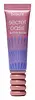
This barrier-repair lip moisturizer is formulated around Hydrogenated Vegetable Oil and Bis-Diglyceryl Polyacyladipate-2 to strengthen the lip barrier and hydrate lips.
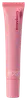
This barrier-repair lip moisturizer is formulated around Ricinus Communis Seed Oil and Bis-Diglyceryl Polyacyladipate-2 to strengthen the lip barrier and hydrate lips.

What's inside
What's inside
 Key Ingredients
Benefits
Concerns
Ingredients Side-by-side
Diisostearyl Malate
EmollientPolybutene
Hydrogenated Vegetable Oil
Emollient





Hydrogenated Polyisobutene
EmollientBis-Diglyceryl Polyacyladipate-2
Emollient
Jojoba Esters
Emollient
Butyrospermum Parkii Butter
Skin Conditioning

Helianthus Annuus Seed Wax
Skin Conditioning
Euphorbia Cerifera Cera
Astringent
Prunus Amygdalus Dulcis Oil
Skin Conditioning
Helianthus Annuus Seed Oil
Emollient
Ricinus Communis Seed Oil
Masking
Polyglycerin-3
Humectant
Acacia Decurrens Flower Wax
Emollient
Parfum
Masking

Tocopheryl Acetate
Antioxidant


Rosmarinus Officinalis Leaf Extract
AntimicrobialHydrolyzed Sodium Hyaluronate
Skin Conditioning

Linalool
Perfuming
Limonene
Perfuming
Sodium Hyaluronate
Humectant


CI 77120
Cosmetic ColorantHydrogenated Castor Oil
Emollient
Citronellol
Perfuming
Geraniol
Perfuming
Citral
Perfuming
Tocopherol
Antioxidant
CI 77891
Cosmetic ColorantCI 15850
Cosmetic ColorantCI 77491
Cosmetic ColorantCI 77499
Cosmetic ColorantCI 42090
Cosmetic ColorantDiisostearyl Malate, Polybutene, Hydrogenated Vegetable Oil, Hydrogenated Polyisobutene, Bis-Diglyceryl Polyacyladipate-2, Jojoba Esters, Butyrospermum Parkii Butter, Helianthus Annuus Seed Wax, Euphorbia Cerifera Cera, Prunus Amygdalus Dulcis Oil, Helianthus Annuus Seed Oil, Ricinus Communis Seed Oil, Polyglycerin-3, Acacia Decurrens Flower Wax, Parfum, Tocopheryl Acetate, Rosmarinus Officinalis Leaf Extract, Hydrolyzed Sodium Hyaluronate, Linalool, Limonene, Sodium Hyaluronate, CI 77120, Hydrogenated Castor Oil, Citronellol, Geraniol, Citral, Tocopherol, CI 77891, CI 15850, CI 77491, CI 77499, CI 42090
Ricinus Communis Seed Oil
Masking
Bis-Diglyceryl Polyacyladipate-2
Emollient
Polybutene
Hydrogenated Polyisobutene
EmollientJojoba Esters
Emollient
Dimer Dilinoleyl Dimer Dilinoleate
EmollientDiisostearyl Malate
EmollientNylon-12


Cera Alba
Emollient
Silica Dimethyl Silylate
EmollientAroma
Helianthus Annuus Seed Wax
Skin Conditioning
Caprylic/Capric Triglyceride
Masking
Ethylene/Propylene/Styrene Copolymer
Allantoin
Skin Conditioning
Butyrospermum Parkii Butter
Skin Conditioning
Theobroma Cacao Seed Butter
Emollient
Argania Spinosa Kernel Oil
Emollient
Hydrogenated Vegetable Oil
Emollient
Stearalkonium Hectorite
Gel FormingPolyglycerin-3
Humectant
Acacia Decurrens Flower Wax
Emollient
Stevia Rebaudiana Leaf/Stem Extract
MaskingPropylene Carbonate
SolventButylene/Ethylene/Styrene Copolymer
Isopropyl Titanium Triisostearate
Emollient
Pentaerythrityl Tetra-Di-T-Butyl Hydroxyhydrocinnamate
Antioxidant
Tocopherol
Antioxidant
Citric Acid
Buffering
Vanillin
Masking
CI 77891
Cosmetic ColorantIron Oxides
CI 45410
Cosmetic ColorantCI 17200
Cosmetic ColorantRicinus Communis Seed Oil, Bis-Diglyceryl Polyacyladipate-2, Polybutene, Hydrogenated Polyisobutene, Jojoba Esters, Dimer Dilinoleyl Dimer Dilinoleate, Diisostearyl Malate, Nylon-12, Cera Alba, Silica Dimethyl Silylate, Aroma, Helianthus Annuus Seed Wax, Caprylic/Capric Triglyceride, Ethylene/Propylene/Styrene Copolymer, Allantoin, Butyrospermum Parkii Butter, Theobroma Cacao Seed Butter, Argania Spinosa Kernel Oil, Hydrogenated Vegetable Oil, Stearalkonium Hectorite, Polyglycerin-3, Acacia Decurrens Flower Wax, Stevia Rebaudiana Leaf/Stem Extract, Propylene Carbonate, Butylene/Ethylene/Styrene Copolymer, Isopropyl Titanium Triisostearate, Pentaerythrityl Tetra-Di-T-Butyl Hydroxyhydrocinnamate, Tocopherol, Citric Acid, Vanillin, CI 77891, Iron Oxides, CI 45410, CI 17200
Ingredients Explained
These ingredients are found in both products.
Ingredients higher up in an ingredient list are typically present in a larger amount.
Also known as mimosa wax, this ingredient is a plant-derived wax from the flowers of the Acacia decurrens tree.
The wax has a profile that gives it skin benefits, including lipids that offer a skin conditioning effect. In a formula, it forms a breathable film on the skin's surface that reduces water loss, lock in moisture, and soften the skin.
One manufacturer study using a trade blend (jojoba esters + sunflower seed wax + this ingredient + polyglycerin 3) found it to perform equal to or better than lanolin in skin hydration.
On its own, typical usage concentrations run from 0.5-10% with 1-5% the most common in creams and up to 10% in lip balms.
Learn more about Acacia Decurrens Flower WaxBis-Diglyceryl Polyacyladipate-2 is a synthetic emollient that works as a lanolin substitute.
This ingredient is a great vegan option for those avoiding animal-derived ingredients.
It mostly stays on the surface of skin where it helps hydrate due to its large molecular size and low water solubility.
Due to it being derived from fatty acids, this ingredient may not be Malassezia or fungal acne safe.
Learn more about Bis-Diglyceryl Polyacyladipate-2This ingredient is also known as shea butter. It is a plant-derived extract from the nuts of the Africa shea tree and one of the most well-studied emollients.
Because it has a high concentration of fatty acids (primarily oleic, stearic, and linoleic) it is able to form a protective barrier on the skin's surface. This helps seal in moisture and prevents transepidermal water loss (TEWL).
In vitro research found an increase in skin hydration by 58% and a decrease in TEWL by 37.8% after 24 hours of applying this ingredient (pretty impressive for a single ingredient!).
Besides hydration, shea butter also contains triterpenes that have anti-inflammatory potential. In particule, lupeol cinnamate has shown the highest anti-inflammatory activity in vivo.
Shea butter also contains vitamins A and E which may contribute to antioxidant activity.
While Shea Butter has an SPF rating of about 3-4, it is not a sunscreen replacement.
This ingredient may not be fungal acne safe because its fatty acids fall within the C11-C24 range that the Malassezia yeast can metabolize.
This ingredient shows up on a lot of "pore-clogging" lists but there's no real evidence behind that. It doesn't even have a comedogenic rating from an actual study; the numbers you'll find online come from blogs citing other blogs.
Ratings for other ingredients mostly come from a 1980s rabbit ear test. This test doesn't translate well to human skin or to real products because the ingredient sits at a much lower percentage.
Some people still find it breaks them out. So if that's you, definitely trust your skin. Just know this one's based on experience and not evidence.
Learn more about Butyrospermum Parkii ButterCi 77891 is a white pigment from Titanium dioxide. It is naturally found in minerals such as rutile and ilmenite.
It's main function is to add a white color to cosmetics. It can also be mixed with other colors to create different shades.
Ci 77891 is commonly found in sunscreens due to its ability to block UV rays.
Learn more about CI 77891Diisostearyl Malate is an emollient and most often used in lip products. It comes from isostearyl alcohol, a fatty acid, and malic acid, an AHA.
As an emollient, Diisostearyl Malate helps create a thin film on your skin to trap moisture in. This helps keep your skin soft and smooth.
Helianthus Annuus Seed Wax is created from the common sunflower.
Sunflower seed wax is made up of long chain non-glyceride esters, a small amount of fatty alcohols, and fatty acids.
This ingredient is often used to enhance the texture of products. The fatty acid properties also help hydrate the skin.
Learn more about Helianthus Annuus Seed WaxHydrogenated Polyisobutene is a synthetic polymer. Polymers are compounds with high molecular weight. Hydrogenated Polyisobutene is an emollient and texture enhancer.
In one study, Hydrogenated Polyisobutene showed better skin hydration levels than Caprylic/Capric Triglyceride. As an emollient, it helps keep your skin soft and hydrated by trapping moisture in.
Hydrogenated Polyisobutene is often used as a mineral oil replacement.
Learn more about Hydrogenated PolyisobuteneHydrogenated Vegetable Oil isn't a single oil. It's the labeling name for a blend of plant-derived oils that can include canola, rapeseed, safflower, sunflower, sesame, palm, palm kernel, cotton, soybean, olive, and more.
Hydrogenation is the processing step that reduces or removes the unsaturated bonds in the fatty acids to make the oil more resistant to oxidative and thermal damage.
In cosmetics, it acts as a skin conditioner, occlusive, and emollient that give products a rich body.
Concentrations are reported from 0.0004% to 60% with leave-on products going as high as 60% and rinse-off products staying at 8% or below.
The Cosmetic Ingredient Review has concluded this ingredient to be safe as used in cosmetics.
This ingredient does have a comedogenic rating of 3, but this doesn't mean a formula with this ingredient will clog pores. Human testing has proved that any finished product with this ingredient won't automatically make you break out; it really comes down to concentration, formula, and your skin.
Since this ingredient is a triglyceride built mostly from C16 and C18 fatty acids, this ingredient may not be fungal acne safe as that falls into the range the Malassezia yeast can metabolize.
Allergy-wise, the proteins responsible for plant food allergies are taken out of the refined oil. This is why reactions to refined oils are rare even from highly allergenic sources like peanut. Well-designed studies have also shown refined peanut oil is safely tolerated by the vast majority of peanut-allergic people.
However, the issue is with unrefined oils; be sure to reach out to the manufacturer if you have a plant food allergy about the type of oil used in their products.
The other catch for this INCI name is that it doesn't tell you which plants are in the blend so you would need to ask the brand.
Learn more about Hydrogenated Vegetable OilJojoba Esters is a wax created from Jojoba oil. It is an emollient and film-forming ingredient. In bead form, it is an exfoliator.
This ingredient has high oxidative stability, meaning it doesn't break down when exposed to oxygen.
Its similarity to our skin's natural oils makes it a great emollient. Emollients help soften and soothe our skin by creating a barrier on top. This barrier helps trap moisture in, keeping skin hydrated.
It is created using either the hydrogenation or transesterification processes on jojoba oil.
Learn more about Jojoba EstersPolybutene is used to help control the viscosity of a product. This just means it helps adjusts the texture.
It is a polymer and does not get absorbed into the skin due to its large size.
Studies found this ingredient did not irritate skin in concentrations below 15%.
Learn more about PolybutenePolyglycerin-3 is a 3-unit glycerin polymer.
Like glycerin, this ingredient is a humectant. Humectants help hydrate your skin by drawing water to it.
Having moisturized skin helps improve the skin barrier. Your skin barrier helps protect against irritants and bacteria.
Learn more about Polyglycerin-3This ingredient is also known as castor oil. It is a skin conditioning ingredient.
The star component of castor oil is ricinoleic acid, an unusual fatty acid that makes up ~80-92% of its composition.
In skincare, it is an emollient that dries down to a solid film with water-binding properties. This helps keep skin hydrated and helps reduce transepidermal water loss (TEWL).
A 2026 dermatology review pulls together its broader uses:
Human clinical testing found this ingredient to be non-irritating and non-sensitizing.
Because castor oil contains fatty acids in the C11-24 range, this ingredient may not be fungal acne safe.
At this time, the literature does not support castor oil in regrowing hair. A 2022 systematic review found no strong evidence that it supports hair growth and only weak evidence that it improves hair shine.
Castor oil itself carries "perfuming" and "masking" function tags according to the official CosIng database. This is because of its mild odor and odor-dampening properties.
Learn more about Ricinus Communis Seed OilTocopherol is a fat-soluble antioxidant known as Vitamin E.
You'll find this ingredient in the vast majority of skincare (for good reason). It works to neutralize free radicals, or unstable molecules generated by UV exposure, pollution, and other environmental stressors, before they can cause oxidative damage to your skin cells.
Topically applied tocopherol has been shown to protect against UV damage by ramping up the skin's own natural defense enzymes.
It also acts as a skin conditioning agent; some studies show that regular topical use can improve the skin's water-binding capacity over 2-4 weeks.
This ingredient is especially loved for being a team player. When combined with Vitamin C, the photoprotective effect of both ingredients roughly doubles and the combo also helps reduce UV-induced DNA damage.
This ingredient has some brightening potential but it's more of a prevention ingredient than spot-fader. Cell studies show it can slow down melanin production but it's worth noting that it's not the most powerful brightener out there.
In formulations, it also serves as a stabilizer that helps protect other oxidation-prone ingredients from degrading.
Concentrations usually range from 0.1-1% in most leave-on products.
Learn more about Tocopherol

