Beekman 1802 Milk RX Advanced Better Aging Wrinkle Serum Versus Educated Mess Freeze Frame Peptide Serum Concentrate
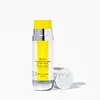
This anti-aging serum is formulated around 3-O-Ethyl Ascorbic Acid and Tetrahexyldecyl Ascorbate to soften the look of wrinkles and refine skin texture.
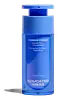
This anti-aging serum is formulated around Resveratrol and Palmitoyl Pentapeptide-4 to soften the look of wrinkles and refine skin texture.

What's inside
What's inside
 Key Ingredients
Benefits
Concerns
Ingredients Side-by-side
Water
Skin ConditioningCoco-Caprylate/Caprate
Emollient
Cetearyl Isononanoate
Emollient
Propanediol
Solvent

Glycerin
Humectant
Glyceryl Stearate Citrate
Emollient

3-O-Ethyl Ascorbic Acid
Skin Conditioning




Caprylic/Capric Triglyceride
Masking
Polyglyceryl-3 Stearate
Emulsifying
Diglycerin
Humectant
Polyglyceryl-10 Pentaisostearate
Emollient
Butylene Glycol
Humectant
C9-12 Alkane
SolventHydrogenated Lecithin
Emulsifying
Tetrahexyldecyl Ascorbate
Antioxidant
Caprylyl Glycol
Emollient
1,2-Hexanediol
Skin Conditioning
Hydroxyacetophenone
Antioxidant
Sodium Stearoyl Glutamate
CleansingXanthan Gum
EmulsifyingCarbomer
Emulsion StabilisingEthylhexylglycerin
Skin ConditioningSodium Hydroxide
BufferingCucumis Sativus Extract
Skin Conditioning
Phospholipids
Skin Conditioning
Polyglutamic Acid
Skin Conditioning
Iron Oxides
CI 77492
Cosmetic ColorantSclerotium Gum
Emulsion StabilisingLecithin
Emollient
Maltodextrin
Absorbent
Phyllanthus Emblica Fruit Extract
HumectantPullulan
2,3-Butanediol
HumectantSilica
Abrasive

Arbutin
Antioxidant

Hydrolyzed Soy Protein
Humectant
Tocopherol
Antioxidant

Rice Amino Acids
Skin Conditioning
Linseed Acid
CleansingTocopheryl Acetate
Antioxidant
Glyceryl Stearate
Emollient
Lactose
HumectantMilk Protein
Skin ConditioningBifida Ferment Lysate
Skin Conditioning
Glutathione
Proline
Skin Conditioning
Sodium Carbonate
BufferingCaprae Lac
Skin ConditioningCeramide Ns
Skin Conditioning
Ceramide As
Skin Conditioning
Ceramide AP
Skin Conditioning
Cholesterol
Emollient
Hydrolyzed Adansonia Digitata Seed Extract
Sodium Benzoate
Masking
Nephelium Lappaceum Peel Extract
Skin ConditioningAscorbyl Palmitate
Antioxidant
Hexapeptide-9
Skin Conditioning
Nicotiana Benthamiana Hexapeptide-40 Sh-Polypeptide-76
Skin Conditioning
Ceramide EOP
Skin Conditioning
Water, Coco-Caprylate/Caprate, Cetearyl Isononanoate, Propanediol, Glycerin, Glyceryl Stearate Citrate, 3-O-Ethyl Ascorbic Acid, Caprylic/Capric Triglyceride, Polyglyceryl-3 Stearate, Diglycerin, Polyglyceryl-10 Pentaisostearate, Butylene Glycol, C9-12 Alkane, Hydrogenated Lecithin, Tetrahexyldecyl Ascorbate, Caprylyl Glycol, 1,2-Hexanediol, Hydroxyacetophenone, Sodium Stearoyl Glutamate, Xanthan Gum, Carbomer, Ethylhexylglycerin, Sodium Hydroxide, Cucumis Sativus Extract, Phospholipids, Polyglutamic Acid, Iron Oxides, CI 77492, Sclerotium Gum, Lecithin, Maltodextrin, Phyllanthus Emblica Fruit Extract, Pullulan, 2,3-Butanediol, Silica, Arbutin, Hydrolyzed Soy Protein, Tocopherol, Rice Amino Acids, Linseed Acid, Tocopheryl Acetate, Glyceryl Stearate, Lactose, Milk Protein, Bifida Ferment Lysate, Glutathione, Proline, Sodium Carbonate, Caprae Lac, Ceramide Ns, Ceramide As, Ceramide AP, Cholesterol, Hydrolyzed Adansonia Digitata Seed Extract, Sodium Benzoate, Nephelium Lappaceum Peel Extract, Ascorbyl Palmitate, Hexapeptide-9, Nicotiana Benthamiana Hexapeptide-40 Sh-Polypeptide-76, Ceramide EOP
Water
Skin ConditioningGlycerin
Humectant
Acetamidoethoxyethanol
Humectant
Propylene Glycol
Humectant
Sodium Acrylates Crosspolymer-2
AbsorbentCyclopentasiloxane
Emollient
Polysorbate 20
Emulsifying
1,2-Hexanediol
Skin Conditioning
Menthyl Lactate
Masking
Resveratrol
Antioxidant
Palmitoyl Pentapeptide-4
Skin Conditioning
Palmitoyl Tetrapeptide-50
Skin Conditioning
Heptapeptide-15 Palmitate
Skin Conditioning
Palmitoyl Hexapeptide-52
Skin Conditioning
Palmitoyl Heptapeptide-18
Skin Conditioning
Diamond Powder
Abrasive
Methylglucoside Phosphate
Skin ConditioningCopper Lysinate/Prolinate
Skin ConditioningSodium Hyaluronate
Humectant
Lactic Acid/Glycolic Acid Copolymer
Skin ConditioningPolyvinyl Alcohol
Xanthan Gum
EmulsifyingDimethicone Crosspolymer
Emulsion Stabilising
Dimethicone
Emollient
Polyacrylate Crosspolymer-6
Emulsion StabilisingHydroxyacetophenone
Antioxidant
Glyceryl Caprylate
EmollientPhenylpropanol
Masking

Phenoxyethanol
Preservative
Caprylyl Glycol
Emollient
Water, Glycerin, Acetamidoethoxyethanol, Propylene Glycol, Sodium Acrylates Crosspolymer-2, Cyclopentasiloxane, Polysorbate 20, 1,2-Hexanediol, Menthyl Lactate, Resveratrol, Palmitoyl Pentapeptide-4, Palmitoyl Tetrapeptide-50, Heptapeptide-15 Palmitate, Palmitoyl Hexapeptide-52, Palmitoyl Heptapeptide-18, Diamond Powder, Methylglucoside Phosphate, Copper Lysinate/Prolinate, Sodium Hyaluronate, Lactic Acid/Glycolic Acid Copolymer, Polyvinyl Alcohol, Xanthan Gum, Dimethicone Crosspolymer, Dimethicone, Polyacrylate Crosspolymer-6, Hydroxyacetophenone, Glyceryl Caprylate, Phenylpropanol, Phenoxyethanol, Caprylyl Glycol
Ingredients Explained
These ingredients are found in both products.
Ingredients higher up in an ingredient list are typically present in a larger amount.
1,2-Hexanediol is a synthetic liquid and another multi-functional powerhouse.
It is a:
- Humectant, drawing moisture into the skin
- Emollient, helping to soften skin
- Solvent, dispersing and stabilizing formulas
- Preservative booster, enhancing the antimicrobial activity of other preservatives
Caprylyl Glycol is a humectant, skin conditioner, emollient, and preservative booster derived from either caprylic acid or synthetically created.
Typical use levels vary from 0.3-1% as a preservative booster and go up to 2% to condition skin.
Because it is not a free-fatty acid, this ingredient is fungal acne safe (there's nothing for Malassezia to feed on).
Learn more about Caprylyl GlycolGlycerin (or glycerol) is a compound naturally found in your skin. It's a powerhouse humectant that pulls water into the stratum corneum.
Topically, glycerin does several things at once:
Your skin makes glycerin on its own (mostly from sebaceous oil breakdown) and shuttles it to your outermost layer of skin, or your epidermis, via aquaporin-3.
Aquaporin-3 is a transporter that is essential for normal skin hydration, elasticity, and repair. Interestingly, mice lacking in AQP3 have dry and less elastic skin that can be fully corrected with glycerin.
This ingredient is non-irritating, plays well with almost every ingredient, and works across all skin types. Typical use is anywhere between 3-10% but can go up to 79% in some leave-on products.
Just know very high concentrations (>40%) can feel tacky in low humidity.
Glycerin is the name for this ingredient in American English. British English uses Glycerol/Glycerine.
Learn more about GlycerinHydroxyacetophenone is a small phenolic molecule that earns its place in a formulas as an antioxidant and preservative booster.
As a phenol, it is able to neutralize free radicals to protect both the product and the skin from oxidative stress.
Though it can't kill microbes on its own, it works as a good supporting agent when combined with other preservatives like Phenoxyethanol or 1,2-Hexanediol.
This ingredient naturally occurs as piceol in Norwegian spruce needles (~0.4-1.1% dry weight and in cloudberries). Though the cosmetic-grade material is synthesized for purity and consistency.
You'll usually see it used at low levels and suppliers recommend up to 1% added to a water phase.
Safety testing was done at concentrations like 0.05% in SPF products and 0.5% in a Human Repeated Insult Patch Test. The safety evidence is assuring; this ingredient is safe for cosmetics in current use and also holds safety status as a food flavoring as well.
An honest caveat: the "soothing" and "anti-inflammatory" claims come mostly from supplier marketing rather than published clinical trials. The Cosmetic Ingredient Review's own literature search found no useful efficacy studies on this ingredient.
So the antioxidant and preservative-boosting roles are the well supported ones while the calming benefit is plausible but thinly evidenced.
Overall, this is a well-tolerated, low-irritation multitasker that quietly helps a formula stay fresh and stable.
Learn more about HydroxyacetophenoneWater. It's the most common cosmetic ingredient of all. You'll usually see it at the top of ingredient lists, meaning that it makes up the largest part of the product.
So why is it so popular? Water most often acts as a solvent - this means that it helps dissolve other ingredients into the formulation.
You'll also recognize water as that liquid we all need to stay alive. If you see this, drink a glass of water. Remember to stay hydrated!
Learn more about WaterXanthan gum is used as a stabilizer and thickener within cosmetic products. It helps give products a sticky, thick feeling - preventing them from being too runny.
On the technical side of things, xanthan gum is a polysaccharide - a combination consisting of multiple sugar molecules bonded together.
Xanthan gum is a pretty common and great ingredient. It is a natural, non-toxic, non-irritating ingredient that is also commonly used in food products.
Learn more about Xanthan Gum

