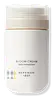
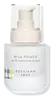
Beekman 1802 Bloom Cream Daily Moisturizer Versus Beekman 1802 Milk Primer SPF 35 3-in-1 Daily Defense Sunscreen & Makeup Perfecter
This barrier-repair moisturizer is formulated around Bifida Ferment Lysate to strengthen the skin barrier and hydrate skin.
This hybrid sunscreen covers the full UV range and blocks ~97% of UVB at SPF 35.

What's inside
What's inside
 Key Ingredients
Benefits
Concerns
Ingredients Side-by-side
Water
Skin ConditioningCoconut Alkanes
Emollient


Coco-Caprylate
Emollient
Propanediol
Solvent
Magnesium Sulfate
Polyglyceryl-4 Diisostearate/Polyhydroxystearate/Sebacate
Emulsifying

Caprae Lac
Skin ConditioningColostrum
Skin Conditioning
Bifida Ferment Lysate
Skin Conditioning

Lactose
HumectantMilk Protein
Skin ConditioningAloe Barbadensis Leaf Extract
Emollient
Honey
Humectant
Eryngium Alpinum Flower Extract
Skin ConditioningCucumis Sativus Fruit Extract
Emollient
Chamomilla Recutita Flower Extract
Masking
Symphytum Officinale Leaf Extract
Skin ConditioningHelianthus Annuus Seed Oil
Emollient
Niacinamide
Smoothing








Whey Protein
Skin ConditioningGluconolactone
Chelating
Caprylic/Capric Triglyceride
Masking
Coco-Caprylate/Caprate
Emollient
Polyglyceryl-3 Oleate
Emulsifying
Diisostearoyl Polyglyceryl-3 Dimer Dilinoleate
Emollient
Zinc Stearate
Cosmetic ColorantGlycerin
Humectant
Sodium Benzoate
Masking
Calcium Gluconate
HumectantTocopherol
Antioxidant

C10-18 Triglycerides
Emollient
Lecithin
Emollient
Water, Coconut Alkanes, Coco-Caprylate, Propanediol, Magnesium Sulfate, Polyglyceryl-4 Diisostearate/Polyhydroxystearate/Sebacate, Caprae Lac, Colostrum, Bifida Ferment Lysate, Lactose, Milk Protein, Aloe Barbadensis Leaf Extract, Honey, Eryngium Alpinum Flower Extract, Cucumis Sativus Fruit Extract, Chamomilla Recutita Flower Extract, Symphytum Officinale Leaf Extract, Helianthus Annuus Seed Oil, Niacinamide, Whey Protein, Gluconolactone, Caprylic/Capric Triglyceride, Coco-Caprylate/Caprate, Polyglyceryl-3 Oleate, Diisostearoyl Polyglyceryl-3 Dimer Dilinoleate, Zinc Stearate, Glycerin, Sodium Benzoate, Calcium Gluconate, Tocopherol, C10-18 Triglycerides, Lecithin
Water
Skin ConditioningCaprae Lac
Skin ConditioningZinc Oxide 13%
Cosmetic Colorant

Colostrum
Skin Conditioning
Bifida Ferment Lysate
Skin Conditioning
Lactose
HumectantMilk Protein
Skin ConditioningAloe Barbadensis Leaf Juice
Skin Conditioning
Caprylyl Glycol
Emollient
Carthamus Tinctorius Oleosomes
Emollient
Chamomilla Recutita Flower Extract
Masking
Cocos Nucifera Fruit Extract
Emollient
Cucumis Sativus Fruit Extract
Emollient
Symphytum Officinale Leaf Extract
Skin ConditioningHoney
Humectant
Eryngium Maritimum Extract
TonicShea Butter Ethyl Esters
Emollient
Hydrolyzed Milk Protein
Skin ConditioningBentonite
Absorbent
Butyloctyl Salicylate
Skin Conditioning
Caprylhydroxamic Acid
ChelatingCapryloyl Glycerin/Sebacic Acid Copolymer
Skin ConditioningCetearyl Alcohol
Emollient
Citric Acid
Buffering
Cyclodextrin
AbsorbentDiheptyl Succinate
EmollientGlycerin
Humectant
Glyceryl Stearate Citrate
Emollient
Glyceryl Caprylate
EmollientHydrolyzed Wheat Protein/Pvp Crosspolymer
Propanediol
Solvent
Sodium Gluconate
ChelatingSodium Stearoyl Glutamate
CleansingTocopherol
Antioxidant
Water, Caprae Lac, Zinc Oxide 13%, Colostrum, Bifida Ferment Lysate, Lactose, Milk Protein, Aloe Barbadensis Leaf Juice, Caprylyl Glycol, Carthamus Tinctorius Oleosomes, Chamomilla Recutita Flower Extract, Cocos Nucifera Fruit Extract, Cucumis Sativus Fruit Extract, Symphytum Officinale Leaf Extract, Honey, Eryngium Maritimum Extract, Shea Butter Ethyl Esters, Hydrolyzed Milk Protein, Bentonite, Butyloctyl Salicylate, Caprylhydroxamic Acid, Capryloyl Glycerin/Sebacic Acid Copolymer, Cetearyl Alcohol, Citric Acid, Cyclodextrin, Diheptyl Succinate, Glycerin, Glyceryl Stearate Citrate, Glyceryl Caprylate, Hydrolyzed Wheat Protein/Pvp Crosspolymer, Propanediol, Sodium Gluconate, Sodium Stearoyl Glutamate, Tocopherol
Reviews
Alternatives
Ingredients Explained
These ingredients are found in both products.
Ingredients higher up in an ingredient list are typically present in a larger amount.
Bifida Ferment Lysate is a postbiotic ingredient made by fermenting Bifidobacterium to extract a nutrient-rich mix of peptides, amino acids, vitamins, organic acids, and polysaccharides.
These components are basically the building blocks that your skin already uses to stay hydrated, repair itself, and maintain its barrier. That's why this ingredient helps your skin hold onto moisture and stay resilient against irritation.
One in-vitro study found that this ingredient tells your skin cells to produce more of the proteins (filaggrin, loricrin, and involucrin) for building a strong and healthy barrier. This study also found this ingredient to be a solid antioxidant that helped neutralize damage against UV and pollution.
A study with people from 2010 found that sensitive, reactive skin using a cream with 10% of this ingredient for a month became noticeably less dry, less reactive, and harder to irritate compared to the group using a plain cream.
In short, this ingredient is a well-tolerated ingredient that can help with barrier repair, antioxidant protection, and calming reactive skin.
This ingredient is generally considered fungal acne (Malassezia) safe; Bifidobacterium is a bacterium, not a yeast or fungus.
The fungal acne concern with fermented ingredients mainly applies to yeast-derived ferments like Saccharomyces and Galactomyces, because those are in the same kingdom as Malassezia and could theoretically contain residual compounds that feed it.
Bifida is a completely different organism, so on its own it doesn't provide a food source for the Malassezia yeast that causes fungal acne.
Learn more about Bifida Ferment LysateWe don't have a description for Caprae Lac yet.
Chamomilla Recutita Flower Extract comes from the Chamomile flower.
Chamomile is rich in antioxidants and has anti-inflammatory properties. Several compounds found in chamomile help with soothing, such as bisbolol.
Antioxidant components in chamomile make it an effective ingredient to help slow the signs of aging. Antioxidants help fight free-radical molecules, or molecules that may damage your skin.
Essential oils from chamomile have been found to improve wound healing due to its antimicrobial properties.
Ancient Greeks and Egyptians used Chamomile to treat skin redness and dryness. Chamomile has also been used to help treat stomach issues.
Learn more about Chamomilla Recutita Flower ExtractColostrum isn't fungal acne safe.
This extract comes from cucumber. Cucumbers are mostly made up of water (95%), and the other 5% is composed of: vitamin C, caffeic acid, fatty acids, amino acids, and other minerals.
Cucumbers have anti-inflammatory, barrier repair, and hydrating properties.
They contain shikimate dehydrigenase, an enzyme shown to help reduce inflammation and soothe the skin.
The amino acids found in cucumbers help nourish our skin's natural acid mantle (it's an important part of our skin barrier). This slightly acidic film acts as a barrier to protect us from bacteria, viruses, and other contaminants.
Unless you have an allergy to cucumbers, this is generally a non-irritating ingredient.
Fun fact: Cucumis Sativus is native to South Asia and can now be found on every continent.
Learn more about Cucumis Sativus Fruit ExtractGlycerin (or glycerol) is a compound naturally found in your skin. It's a powerhouse humectant that pulls water into the stratum corneum.
Topically, glycerin does several things at once:
Your skin makes glycerin on its own (mostly from sebaceous oil breakdown) and shuttles it to your outermost layer of skin, or your epidermis, via aquaporin-3.
Aquaporin-3 is a transporter that is essential for normal skin hydration, elasticity, and repair. Interestingly, mice lacking in AQP3 have dry and less elastic skin that can be fully corrected with glycerin.
This ingredient is non-irritating, plays well with almost every ingredient, and works across all skin types. Typical use is anywhere between 3-10% but can go up to 79% in some leave-on products.
Just know very high concentrations (>40%) can feel tacky in low humidity.
Glycerin is the name for this ingredient in American English. British English uses Glycerol/Glycerine.
Learn more about GlycerinHoney mostly shows up in skincare as a humectant and skin conditioning agent. This is because its natural sugars (fructose and glucose) help hold onto water so skin feels softer and more hydrated.
Beyond hydration, honey also has antibacterial and wound-supporting properties. Its antibacterial action comes from a mix of things:
Manuka-type honey has an extra bacteria-killing compound called methylglyoxal, while all Honey contains a natural antibacterial protein called bee defensin-1.
Honey also nudges your immune cells to release signals that start the healing process. This is why medical-grade Honey is actually used in real wound dressings.
Just keep in mind that most of the strong clinical evidence is for wound care and not everyday cosmetic claims.
On concentrations and safety:
According to industry data, honey is used up to 22% in paste/mud packs, 7% as a honey extract in body/hand products, and face skincare levels sit well below that.
A human repeat insult patch test of 7% honey extract in 112 subjects showed no sensitization.
Allergy-wise, honey itself is a rare sensitizer. The bigger culprit is usually propolis that sometimes tags along in less-refined honey.
People allergic to propolis, conifer, poplar, salicylates, or Balsam of Peru are advised to avoid this ingredient due to shared allergens.
You might see this ingredient listed as either Honey or Mel (they're the same thing). Mel is simply the Latin word for honey.
A lot of people wonder if Honey is vegan, and technically it isn't.
Honey is made by bees; they gather nectar and their natural enzymes turn it into the Honey we know. So because it comes from an animal, it doesn't fit a vegan lifestyle.
And please remember to be kind to bees :). They're vital to so many ecosystems, and many species are struggling so they're worth protecting.
Learn more about HoneyLactose is a naturally derived milk sugar with humectant and skin conditioning properties. It helps draw and hold moisture in the outermost layer of skin.
The Cosmetic Ingredient Review (CIR) concludes lactose is generally considered low risk for irritation in topical products.
By the way, lactose is not an exfoliating acid like lactic acid or lactobionic acid. And since it's typically animal-derived, it's not usually vegan.
Learn more about LactoseMilk Protein is the non-hydrolyzed protein derived from milk with skin conditioning properties.
Due to the large molecule size, this ingredient mostly works on the surface of your skin. Be sure to patch test or avoid if you have a dairy allergy.
Propanediol is an all-star ingredient. It softens, hydrates, and smooths the skin.
It’s often used to:
Propanediol is not likely to cause sensitivity and considered safe to use. It is derived from corn or petroleum with a clear color and no scent.
Learn more about PropanediolThis ingredient comes from the leaves of the comfrey plant and has skin conditioning properties.
Comfrey produces a wonderful compound that you might have heard of already: allantoin.
Allantoin is well-studied for promoting the skin's natural repair process and helping skin look smoother. Comfrey is also rich in antioxidants like Rosmarinic acid and Caffeic Acid.
Research has shown that these compounds work together to help calm redness, protect against oxidative stress, and support overall skin health.
Learn more about Symphytum Officinale Leaf ExtractTocopherol is a fat-soluble antioxidant known as Vitamin E.
You'll find this ingredient in the vast majority of skincare (for good reason). It works to neutralize free radicals, or unstable molecules generated by UV exposure, pollution, and other environmental stressors, before they can cause oxidative damage to your skin cells.
Topically applied tocopherol has been shown to protect against UV damage by ramping up the skin's own natural defense enzymes.
It also acts as a skin conditioning agent; some studies show that regular topical use can improve the skin's water-binding capacity over 2-4 weeks.
This ingredient is especially loved for being a team player. When combined with Vitamin C, the photoprotective effect of both ingredients roughly doubles and the combo also helps reduce UV-induced DNA damage.
This ingredient has some brightening potential but it's more of a prevention ingredient than spot-fader. Cell studies show it can slow down melanin production but it's worth noting that it's not the most powerful brightener out there.
In formulations, it also serves as a stabilizer that helps protect other oxidation-prone ingredients from degrading.
Concentrations usually range from 0.1-1% in most leave-on products.
Learn more about TocopherolWater. It's the most common cosmetic ingredient of all. You'll usually see it at the top of ingredient lists, meaning that it makes up the largest part of the product.
So why is it so popular? Water most often acts as a solvent - this means that it helps dissolve other ingredients into the formulation.
You'll also recognize water as that liquid we all need to stay alive. If you see this, drink a glass of water. Remember to stay hydrated!
Learn more about Water

