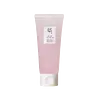
This calming moisturizer is formulated around Panthenol and Allantoin to calm redness and hydrate skin.
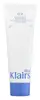
This calming moisturizer is formulated around Anthemis Nobilis Flower Water and Niacinamide to calm redness and clear breakouts.

What's inside
What's inside
 Key Ingredients
Benefits
Concerns
Ingredients Side-by-side
Water
Skin ConditioningButylene Glycol
Humectant

Glycerin
Humectant
1,2-Hexanediol
Skin Conditioning
Methyl Trimethicone
Skin Conditioning
Phaseolus Angularis Seed Extract
Antioxidant
Acrylates/C10-30 Alkyl Acrylate Crosspolymer
Emulsion StabilisingTromethamine
BufferingGlyceryl Glucoside
Humectant
C12-14 Alketh-12
EmulsifyingMaltodextrin
Absorbent
Ammonium Acryloyldimethyltaurate/Vp Copolymer
Dimethicone/Vinyl Dimethicone Crosspolymer
Skin Conditioning
Dimethicone Crosspolymer
Emulsion Stabilising
Ethylhexylglycerin
Skin ConditioningBetaine
Humectant
Panthenol
Skin Conditioning
Allantoin
Skin Conditioning
Dipotassium Glycyrrhizate
Humectant
Polyquaternium-51
Skin Conditioning
Xanthan Gum
EmulsifyingDisodium EDTA
ChelatingGlyceryl Acrylate/Acrylic Acid Copolymer
HumectantDioscorea Japonica Root Extract
Skin Conditioning
Glucose
Humectant
Sodium Citrate
BufferingBeta-Glucan
Skin Conditioning
Hydrolyzed Corn Starch
HumectantCitric Acid
Buffering


Sucrose
Humectant
Magnesium Ascorbyl Phosphate
Antioxidant



Caprylyl Glycol
Emollient
Helianthus Annuus Seed Oil
Emollient

Tocopherol
Antioxidant

Cyanocobalamin
Skin ConditioningGlycine
Buffering
Serine
Masking
Glutamic Acid
Humectant
Aspartic Acid
Masking
Leucine
Skin ConditioningAcetyl Hexapeptide-8
Humectant
Alanine
Masking
Lysine
Skin ConditioningArginine
Masking
Tyrosine
MaskingPhenylalanine
Masking
Proline
Skin Conditioning
Threonine
Valine
MaskingIsoleucine
Skin ConditioningHistidine
Humectant
Cysteine
Antioxidant
Methionine
Skin ConditioningPhosphoric Acid
BufferingAscorbic Acid
Antioxidant
Sh-Oligopeptide-1
Skin Conditioning
Sh-Oligopeptide-2
Skin Conditioning
Sh-Polypeptide-1
Skin Conditioning
Water, Butylene Glycol, Glycerin, 1,2-Hexanediol, Methyl Trimethicone, Phaseolus Angularis Seed Extract, Acrylates/C10-30 Alkyl Acrylate Crosspolymer, Tromethamine, Glyceryl Glucoside, C12-14 Alketh-12, Maltodextrin, Ammonium Acryloyldimethyltaurate/Vp Copolymer, Dimethicone/Vinyl Dimethicone Crosspolymer, Dimethicone Crosspolymer, Ethylhexylglycerin, Betaine, Panthenol, Allantoin, Dipotassium Glycyrrhizate, Polyquaternium-51, Xanthan Gum, Disodium EDTA, Glyceryl Acrylate/Acrylic Acid Copolymer, Dioscorea Japonica Root Extract, Glucose, Sodium Citrate, Beta-Glucan, Hydrolyzed Corn Starch, Citric Acid, Sucrose, Magnesium Ascorbyl Phosphate, Caprylyl Glycol, Helianthus Annuus Seed Oil, Tocopherol, Cyanocobalamin, Glycine, Serine, Glutamic Acid, Aspartic Acid, Leucine, Acetyl Hexapeptide-8, Alanine, Lysine, Arginine, Tyrosine, Phenylalanine, Proline, Threonine, Valine, Isoleucine, Histidine, Cysteine, Methionine, Phosphoric Acid, Ascorbic Acid, Sh-Oligopeptide-1, Sh-Oligopeptide-2, Sh-Polypeptide-1
Anthemis Nobilis Flower Water
Masking
Water
Skin ConditioningButylene Glycol
Humectant
Propanediol
Solvent
Niacinamide
Smoothing


1,2-Hexanediol
Skin Conditioning
Caprylic/Capric Triglyceride
Masking
Ammonium Acryloyldimethyltaurate/Vp Copolymer
Carbomer
Emulsion StabilisingArginine
Masking
Lauryl Glucoside
CleansingPolyglyceryl-6 Laurate
Emulsifying
Allantoin
Skin Conditioning
Glycerin
Humectant
Ethylhexylglycerin
Skin ConditioningMyristyl Glucoside
CleansingXanthan Gum
EmulsifyingGuaiazulene
Antimicrobial

Pentylene Glycol
Skin Conditioning
Sodium Hyaluronate
Humectant
Madecassoside
Antioxidant
Decyl Glucoside
Cleansing
Caprylyl Glycol
Emollient
Hydroxypropyltrimonium Hyaluronate
Mentha Rotundifolia Leaf Extract
TonicCamellia Sinensis Leaf Extract
Antimicrobial
Thymus Vulgaris Leaf Extract
Skin ProtectingSodium Acetylated Hyaluronate
Humectant
Hydrolyzed Hyaluronic Acid
Humectant
Hyaluronic Acid
Humectant
Sodium Hyaluronate Crosspolymer
Humectant
Hydrolyzed Sodium Hyaluronate
Skin Conditioning
Potassium Hyaluronate
Skin ConditioningSh-Polypeptide-9
Skin Conditioning
Sh-Polypeptide-11
Sh-Polypeptide-1
Skin Conditioning
Sh-Oligopeptide-2
Skin Conditioning
Sh-Oligopeptide-1
Skin Conditioning
Anthemis Nobilis Flower Water, Water, Butylene Glycol, Propanediol, Niacinamide, 1,2-Hexanediol, Caprylic/Capric Triglyceride, Ammonium Acryloyldimethyltaurate/Vp Copolymer, Carbomer, Arginine, Lauryl Glucoside, Polyglyceryl-6 Laurate, Allantoin, Glycerin, Ethylhexylglycerin, Myristyl Glucoside, Xanthan Gum, Guaiazulene, Pentylene Glycol, Sodium Hyaluronate, Madecassoside, Decyl Glucoside, Caprylyl Glycol, Hydroxypropyltrimonium Hyaluronate, Mentha Rotundifolia Leaf Extract, Camellia Sinensis Leaf Extract, Thymus Vulgaris Leaf Extract, Sodium Acetylated Hyaluronate, Hydrolyzed Hyaluronic Acid, Hyaluronic Acid, Sodium Hyaluronate Crosspolymer, Hydrolyzed Sodium Hyaluronate, Potassium Hyaluronate, Sh-Polypeptide-9, Sh-Polypeptide-11, Sh-Polypeptide-1, Sh-Oligopeptide-2, Sh-Oligopeptide-1
Reviews
Ingredients Explained
These ingredients are found in both products.
Ingredients higher up in an ingredient list are typically present in a larger amount.
1,2-Hexanediol is a synthetic liquid and another multi-functional powerhouse.
It is a:
- Humectant, drawing moisture into the skin
- Emollient, helping to soften skin
- Solvent, dispersing and stabilizing formulas
- Preservative booster, enhancing the antimicrobial activity of other preservatives
Allantoin is a soothing ingredient known for its protective and moisturizing properties; it's basically a quiet workhorse ingredient you can find in a huge range of cosmetics.
Though it can be derived from the comfrey plant, allantoin is produced synthetically for cosmetic products to ensure purity.
Research shows it can encourage your skin cells to turn over and renew by stimulating keratinocyte and fibroblast proliferation.
It also has mild keratolytic properties to help loosen and shed dead skin cells without being harsh.
Studies also suggest allantoin can help calm inflammation by dialing down some of the chemical signals your skin sends out when it is irritated.
This ingredient is typically used in the 0.1-0.5% range, and the FDA recognizes it as a skin protectant in OTC products up to 2%.
Overall, allantoin is a wonderful addition to most routines; it is stable across a wide pH range (~4-8), works well with other ingredients, and is considered non-sensitizing/non-irritating.
Fun fact: Allantoin is naturally occurring in comfrey root, beets, chamomile, and wheat sprouts. Our bodies even produce it as a byproduct of uric acid metabolism.
Learn more about AllantoinAmmonium Acryloyldimethyltaurate/Vp Copolymer is a synthetically created polymer. It's used as a film-forming agent and used to thicken the consistency of products.
Think of it as a supportive ingredient that helps your gel-creams feel silky, "cloud cream-like", and spread evenly without being greasy.
The Cosmetic Ingredient Review (CIR) Expert Panel evaluated it (along with 22 other acryloyldimethyltaurate polymers) and concluded it's:
Due to its large molecular size, it sits on the surface of skin rather than penetrating it.
Learn more about Ammonium Acryloyldimethyltaurate/Vp CopolymerArginine is a semi-essential amino acid. This just means our bodies can product a bit on its own, but sometimes needs a little boost from food sources.
It is a part of your skin's natural moisturizing factor (NMF), or the water-loving molecules in your outermost layer of skin (stratum corneum) that keeps everything hydrated and happy.
Here's an interesting thing about Arginine: your skin converts it into urea through the Krebs-Henseleit urea cycle. Urea is one of the most effective humectants your skin naturally produces.
A clinical study showed applying 2.5% arginine hydrochloride to atopic dermatitis skin showed significant urea levels in the stratum corneum and improved moisture in just four weeks.
Arginine is also a precursor to nitric oxide; nitric oxide improves microcirculation and supports wound healing and collagen synthesis.
One study found that an amino acid complex containing Arginine reduced skin irritation, improved hydration, and accelerated skin repair in clinical / in-vivo studies.
Arginine itself is an amino acid and not a fatty acid, oil, or ester. On its own, it's not a direct food source for Malassezia, or the yeast that causes fungal acne.
Learn more about ArginineButylene Glycol (or BG) is used within cosmetic products for a few different reasons:
Overall, Butylene Glycol is a safe and well-rounded ingredient that works well with other ingredients.
Though this ingredient works well with most skin types, some people with sensitive skin may experience a reaction such as allergic rashes, closed comedones, or itchiness.
Learn more about Butylene GlycolCaprylyl Glycol is a humectant, skin conditioner, emollient, and preservative booster derived from either caprylic acid or synthetically created.
Typical use levels vary from 0.3-1% as a preservative booster and go up to 2% to condition skin.
Because it is not a free-fatty acid, this ingredient is fungal acne safe (there's nothing for Malassezia to feed on).
Learn more about Caprylyl GlycolEthylhexylglycerin is created from glycerin. It is a multitasker ingredient that:
The CIR Expert Panel found minimal skin absorption or sensitization of any kind in a safety assessment. Though this ingredient is considered well-tolerated, a small number of cases of allergic dermatitis have been published since 2002. Just be sure to patch test if you are unsure.
Industry-reported use ranges from 8% in rinse-off products and 2% in leave-on formulations.
Learn more about EthylhexylglycerinGlycerin (or glycerol) is a compound naturally found in your skin. It's a powerhouse humectant that pulls water into the stratum corneum.
Topically, glycerin does several things at once:
Your skin makes glycerin on its own (mostly from sebaceous oil breakdown) and shuttles it to your outermost layer of skin, or your epidermis, via aquaporin-3.
Aquaporin-3 is a transporter that is essential for normal skin hydration, elasticity, and repair. Interestingly, mice lacking in AQP3 have dry and less elastic skin that can be fully corrected with glycerin.
This ingredient is non-irritating, plays well with almost every ingredient, and works across all skin types. Typical use is anywhere between 3-10% but can go up to 79% in some leave-on products.
Just know very high concentrations (>40%) can feel tacky in low humidity.
Glycerin is the name for this ingredient in American English. British English uses Glycerol/Glycerine.
Learn more about Glycerinsh-Oligopeptide-1 is a peptide found naturally in our bodies. Peptides are the building blocks for collagen and elastin in our skin.
In cosmetics, this ingredient is bioengineered to be identical to a human gene that codes for epidermal growth factor (EGF). EGF are signal molecules that simulate cell growth and healing.
Studies find EGF help with:
In South Korea and China, EGF is considered a controversial ingredient. The South Korean Ministry of Food and Drug Safety has cracked down on companies with products including EGF due to false advertisement claims.
According to Dr. Zoe Draelos, growth factors have some drawbacks:
There is also controversy surrounding growth factors. The controversy is due to their mitogenic activity, or their ability to increase the number of cells. It is best to avoid using growth factors if you have psoriasis or are at risk of skin cancer. However, it should be noted EGF are not mutagenic - meaning they will not cause cancer.
Learn more about Sh-Oligopeptide-1This peptide has similar properties to Sh-Oligopeptide-1.
In cosmetics, this ingredient is bioengineered to be identical to a human gene that codes for epidermal growth factor (EGF). EGF are signal molecules that simulate cell growth and healing.
There is also controversy surrounding EGF. The controversy is due to their mitogenic activity, or their ability to increase the number of cells. It is best to avoid using growth factors if you have psoriasis or are at risk of skin cancer. However, it should be noted EGF are not mutagenic - meaning they will not cause cancer.
Learn more about Sh-Oligopeptide-2Sh-Polypeptide-1 is a signal peptide that tells our cells to create more fibroblast cells. Fibroblasts maintain skin structure and plays a role in wound healing.
It is important to note this ingredient is mitogenic and not mutagenic. Meaning it will stimulate cell multiplication, and will not cause cancer.
Water. It's the most common cosmetic ingredient of all. You'll usually see it at the top of ingredient lists, meaning that it makes up the largest part of the product.
So why is it so popular? Water most often acts as a solvent - this means that it helps dissolve other ingredients into the formulation.
You'll also recognize water as that liquid we all need to stay alive. If you see this, drink a glass of water. Remember to stay hydrated!
Learn more about WaterXanthan gum is used as a stabilizer and thickener within cosmetic products. It helps give products a sticky, thick feeling - preventing them from being too runny.
On the technical side of things, xanthan gum is a polysaccharide - a combination consisting of multiple sugar molecules bonded together.
Xanthan gum is a pretty common and great ingredient. It is a natural, non-toxic, non-irritating ingredient that is also commonly used in food products.
Learn more about Xanthan Gum

