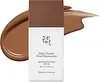
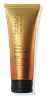
Beauty of Joseon Daily Tinted Fluid Sunscreen SPF 40 Versus Buttah Skin Tinted Mineral Sunscreen SPF 30
This hybrid sunscreen covers the full UV range and blocks ~98% of UVB at SPF 40.
This sunscreen offers SPF 30 protection with a matte finish that helps control shine.


What's inside
What's inside
 Key Ingredients
Benefits
Concerns
Ingredients Side-by-side
Zinc Oxide
Cosmetic Colorant


Water
Skin ConditioningButyloctyl Salicylate
Skin Conditioning
Isopropyl Myristate
Emollient





Coco-Caprylate/Caprate
Emollient
Caprylic/Capric Triglyceride
Masking

Neopentyl Glycol Diheptanoate
EmollientCI 77492
Cosmetic ColorantEthylhexyl Isononanoate
EmollientAlcohol Denat.
Antimicrobial

Polyglyceryl-3 Polyricinoleate
Emulsifying
Butylene Glycol
Humectant
C12-15 Alkyl Benzoate
AntimicrobialPropanediol
Solvent
Silica
Abrasive

Methyl Methacrylate Crosspolymer
CI 77491
Cosmetic ColorantStearic Acid
Cleansing
Polyglyceryl-6 Polyhydroxystearate
Emulsifying
Hydrogenated Olive Oil Unsaponifiables
Emollient
Artemisia Capillaris Extract
Polyglyceryl-4 Diisostearate/Polyhydroxystearate/Sebacate
Emulsifying
Stearalkonium Hectorite
Gel FormingUndecane
Emollient1,2-Hexanediol
Skin Conditioning
Polyglyceryl-6 Polyricinoleate
Emulsifying
Hydroxyacetophenone
Antioxidant
Tridecane
Perfuming

Isopropyl Titanium Triisostearate
Emollient
Polyglycerin-6
HumectantTocopherol
Antioxidant




Ascorbyl Palmitate
Antioxidant

CI 77499
Cosmetic ColorantZinc Oxide, Water, Butyloctyl Salicylate, Isopropyl Myristate, Coco-Caprylate/Caprate, Caprylic/Capric Triglyceride, Neopentyl Glycol Diheptanoate, CI 77492, Ethylhexyl Isononanoate, Alcohol Denat., Polyglyceryl-3 Polyricinoleate, Butylene Glycol, C12-15 Alkyl Benzoate, Propanediol, Silica, Methyl Methacrylate Crosspolymer, CI 77491, Stearic Acid, Polyglyceryl-6 Polyhydroxystearate, Hydrogenated Olive Oil Unsaponifiables, Artemisia Capillaris Extract, Polyglyceryl-4 Diisostearate/Polyhydroxystearate/Sebacate, Stearalkonium Hectorite, Undecane, 1,2-Hexanediol, Polyglyceryl-6 Polyricinoleate, Hydroxyacetophenone, Tridecane, Isopropyl Titanium Triisostearate, Polyglycerin-6, Tocopherol, Ascorbyl Palmitate, CI 77499
Water
Skin ConditioningCaprylic/Capric Triglyceride
Masking
Cyclopentasiloxane
Emollient
Propanediol
Solvent
Dimethicone
Emollient
Glycerin
Humectant
C12-15 Alkyl Benzoate
AntimicrobialPEG-100 Stearate
Surfactant
Glyceryl Stearate
Emollient
Cetyl Alcohol
Emollient
Hydroxyethyl Acrylate/Sodium Acryloyldimethyl Taurate Copolymer
Emulsion StabilisingGlyceryl Caprylate
EmollientCyclohexasiloxane
Emollient
Sucrose Cocoate
Emulsifying
Citric Acid
Buffering
Sodium Citrate
BufferingSodium PCA
Humectant
Glyceryl Isostearate
Emollient
Alumina
Abrasive
Caprylyl Methicone
Skin Conditioning
Polyhydroxystearic Acid
Emulsifying
Triethoxysilylethyl Polydimethylsiloxyethyl Hexyl Dimethicone
Skin Conditioning
Lauryl PEG-9 Polydimethylsiloxyethyl Dimethicone
Skin Conditioning
Chlorphenesin
Antimicrobial
Iron Oxides
Allantoin
Skin Conditioning
Xanthan Gum
EmulsifyingCamellia Oleifera Leaf Extract
AstringentChamomilla Recutita Flower Extract
Masking
Glyceryl Undecylenate
Emollient
Panthenol
Skin Conditioning
Phytic Acid
Chelating
Sodium Hyaluronate
Humectant
Water, Caprylic/Capric Triglyceride, Cyclopentasiloxane, Propanediol, Dimethicone, Glycerin, C12-15 Alkyl Benzoate, PEG-100 Stearate, Glyceryl Stearate, Cetyl Alcohol, Hydroxyethyl Acrylate/Sodium Acryloyldimethyl Taurate Copolymer, Glyceryl Caprylate, Cyclohexasiloxane, Sucrose Cocoate, Citric Acid, Sodium Citrate, Sodium PCA, Glyceryl Isostearate, Alumina, Caprylyl Methicone, Polyhydroxystearic Acid, Triethoxysilylethyl Polydimethylsiloxyethyl Hexyl Dimethicone, Lauryl PEG-9 Polydimethylsiloxyethyl Dimethicone, Chlorphenesin, Iron Oxides, Allantoin, Xanthan Gum, Camellia Oleifera Leaf Extract, Chamomilla Recutita Flower Extract, Glyceryl Undecylenate, Panthenol, Phytic Acid, Sodium Hyaluronate
Reviews
Ingredients Explained
These ingredients are found in both products.
Ingredients higher up in an ingredient list are typically present in a larger amount.
C12-15 Alkyl Benzoate is a lightweight emollient made by combinig benzoic acid with fatty alcohols that are 12-15 carbons long.
In cosmetics, it plays several roles:
The Cosmetic Review Expert Panel has concluded the alkyl benzoate group to be safe as used in cosmetics; it wasn't found to be a skin irritant and unlikely to be absorbed due to its low water solubility.
This report recorded almost 1000 reported uses with concentrations up to 59% in leave-on products but your cosmetics will typically use 0.5-15% depending on the product.
It's often called a "SPF booster": this is because it keeps UV filters properly dissolved and evenly distributed to support a sunscreen's performance. It doesn't actually raise SPF on its own.
Overall, this ingredient is well tolerated.
This ingredient is fungal acne safe because it is an ester of benzoic acid.
Think of this ingredient as two parts stuck together: an oily part and an acid part. Malassezia only gets a meal when it can snip off a fatty acid to eat. With C12-15 Alkyl Benzoate, the acid part is benzoic acid, which isn't a fatty acid and which the yeast can't use as food.
Benzoic acid is actually used as a preservative to stop yeast from growing.
The oily part is a blend of C12-15 fatty alcohols but fatty alcohols in this size range can support only a little Malassezia growth (mostly for one species of Malassezia as well).
In the ingredient, those alcohols stay locked inside the molecule. The yeast can only reach them by snipping the benzoate bond, and that type of bond is harder for it to cut than a normal fatty bond.
So not much gets released. And whatever does get snipped comes packaged with benzoic acid, which discourages yeast growth.
Learn more about C12-15 Alkyl BenzoateCaprylic/Capric Triglyceride (aka MCT Oil) is a lightweight emollient, solvent, and texture enhancer. It is considered a skin-softener by helping to prevent moisture loss.
Though it behaves like an oil, it is not technically one due to its chemical composition. One perk of this ingredient is that it is very stable, resistant to oxidation, and unlikely to go rancid.
In practice, that translates to a long shelf life and a consistently elegant skin feel.
While there is an assumption Caprylic Triglyceride can clog pores due to it being derived from coconut oil, there is no research supporting this. Just patch test if you have concerns.
Fractionated coconut oil and MCT Oil are both listed as Caprylic/Capric Triglyceride according to INCI. This is because INCI names are based on the ingredient’s final chemical composition and not its marketing name or source.
This ingredient is treated as the gold standard fungal acne safe oil. Even though it is coconut derived, the problematic lauric acid is stripped out.
This leaves just caprylic (C8) and capric (C10) acid. These chain lengths actually trend antifungal; a 2020 study found caprylic acid was enough to disrupt Malassezia furfur cell membrane, with a caprylic acid derivative damaging membrane structures at concentrations as low as 0.2%.
Learn more about Caprylic/Capric TriglyceridePropanediol is an all-star ingredient. It softens, hydrates, and smooths the skin.
It’s often used to:
Propanediol is not likely to cause sensitivity and considered safe to use. It is derived from corn or petroleum with a clear color and no scent.
Learn more about PropanediolWater. It's the most common cosmetic ingredient of all. You'll usually see it at the top of ingredient lists, meaning that it makes up the largest part of the product.
So why is it so popular? Water most often acts as a solvent - this means that it helps dissolve other ingredients into the formulation.
You'll also recognize water as that liquid we all need to stay alive. If you see this, drink a glass of water. Remember to stay hydrated!
Learn more about Water

