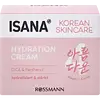
This barrier-repair moisturizer is formulated around Trehalose and Xylitylglucoside to strengthen the skin barrier and hydrate skin.
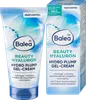
This barrier-repair moisturizer is formulated around Niacinamide and Panthenol to strengthen the skin barrier and hydrate skin.

What's inside
What's inside
 Key Ingredients
Benefits
Concerns
Ingredients Side-by-side
Water
Skin ConditioningC15-19 Alkane
SolventGlycerin
Humectant


Trehalose
Humectant
Xylitylglucoside
Humectant
Glyceryl Stearate Citrate
Emollient

Sclerotium Gum
Emulsion StabilisingAnhydroxylitol
Humectant
Glyceryl Undecylenate
Emollient
Hydrogenated Vegetable Oil
Emollient


Sodium Benzoate
Masking
Xylitol
Humectant
Caesalpinia Spinosa Gum
Skin ConditioningPotassium Sorbate
Preservative
Sodium Hyaluronate
Humectant

Magnesium Aspartate
Skin ConditioningZinc Gluconate
Skin Conditioning



Copper Gluconate
Skin Conditioning
Citric Acid
Buffering

Phenoxyethanol
Preservative
Trisodium Ethylenediamine Disuccinate
ChelatingWater, C15-19 Alkane, Glycerin, Trehalose, Xylitylglucoside, Glyceryl Stearate Citrate, Sclerotium Gum, Anhydroxylitol, Glyceryl Undecylenate, Hydrogenated Vegetable Oil, Sodium Benzoate, Xylitol, Caesalpinia Spinosa Gum, Potassium Sorbate, Sodium Hyaluronate, Magnesium Aspartate, Zinc Gluconate, Copper Gluconate, Citric Acid, Phenoxyethanol, Trisodium Ethylenediamine Disuccinate
Water
Skin ConditioningDipropylene Glycol
HumectantGlycerin
Humectant
Niacinamide
Smoothing



Caprylic/Capric Triglyceride
Masking
Phenyl Trimethicone
Skin Conditioning
Butylene Glycol
Humectant
Sodium Polyacrylate
Absorbent
Hydroxyacetophenone
Antioxidant
Polyglyceryl-3 Methylglucose Distearate
Emulsifying
Glyceryl Stearate
Emollient
Caprylyl Glycol
Emollient
Cetearyl Olivate
Sorbitan Olivate
Emulsifying
Panthenol
Skin Conditioning
Arctostaphylos Uva Ursi Leaf Extract
Skin Conditioning
Parfum
Masking


Ethylhexylglycerin
Skin ConditioningAdenosine
Skin Conditioning
Xylitylglucoside
Humectant
1,2-Hexanediol
Skin Conditioning
Xanthan Gum
EmulsifyingAnhydroxylitol
Humectant
Xylitol
Humectant
Centella Asiatica Extract
Cleansing
Houttuynia Cordata Extract
Skin Conditioning
Melaleuca Alternifolia Leaf Extract
Perfuming
Portulaca Oleracea Extract
Skin Conditioning
Glucose
Humectant
Hydrogenated Lecithin
Emulsifying
Dipotassium Glycyrrhizate
Humectant
Ceramide NP
Skin Conditioning
Sodium Hyaluronate
Humectant
Madecassoside
Antioxidant
Hydrolyzed Hyaluronic Acid
Humectant
Tocopherol
Antioxidant
Asiatic Acid
Skin Conditioning
Asiaticoside
Antioxidant
Madecassic Acid
Skin Conditioning
Sodium Acetylated Hyaluronate
Humectant
Water, Dipropylene Glycol, Glycerin, Niacinamide, Caprylic/Capric Triglyceride, Phenyl Trimethicone, Butylene Glycol, Sodium Polyacrylate, Hydroxyacetophenone, Polyglyceryl-3 Methylglucose Distearate, Glyceryl Stearate, Caprylyl Glycol, Cetearyl Olivate, Sorbitan Olivate, Panthenol, Arctostaphylos Uva Ursi Leaf Extract, Parfum, Ethylhexylglycerin, Adenosine, Xylitylglucoside, 1,2-Hexanediol, Xanthan Gum, Anhydroxylitol, Xylitol, Centella Asiatica Extract, Houttuynia Cordata Extract, Melaleuca Alternifolia Leaf Extract, Portulaca Oleracea Extract, Glucose, Hydrogenated Lecithin, Dipotassium Glycyrrhizate, Ceramide NP, Sodium Hyaluronate, Madecassoside, Hydrolyzed Hyaluronic Acid, Tocopherol, Asiatic Acid, Asiaticoside, Madecassic Acid, Sodium Acetylated Hyaluronate
Ingredients Explained
These ingredients are found in both products.
Ingredients higher up in an ingredient list are typically present in a larger amount.
This ingredient is created from dehydrating xylitol in acidic conditions. Xylitol is a famous sugar and humectant.
Much like its predecessor, anhydroxylitol is a humectant. Humectants attract and hold water to moisturize the skin.
This ingredient is most commonly found in a popular trio called Aquaxyl. Aquaxyl is made up of anhydroxylitol (24 - 34%), xylitylglucoside (35 - 50%), and xylitol (5 - 15%).
According to a manufacturer, Aquaxyl is known for a 3-D hydration concept and an anti-dehydration shield to reinforce the outer layer of skin.
This ingredient is often derived from plants such as wood and sugarcane.
Learn more about AnhydroxylitolGlycerin (or glycerol) is a compound naturally found in your skin. It's a powerhouse humectant that pulls water into the stratum corneum.
Topically, glycerin does several things at once:
Your skin makes glycerin on its own (mostly from sebaceous oil breakdown) and shuttles it to your outermost layer of skin, or your epidermis, via aquaporin-3.
Aquaporin-3 is a transporter that is essential for normal skin hydration, elasticity, and repair. Interestingly, mice lacking in AQP3 have dry and less elastic skin that can be fully corrected with glycerin.
This ingredient is non-irritating, plays well with almost every ingredient, and works across all skin types. Typical use is anywhere between 3-10% but can go up to 79% in some leave-on products.
Just know very high concentrations (>40%) can feel tacky in low humidity.
Glycerin is the name for this ingredient in American English. British English uses Glycerol/Glycerine.
Learn more about GlycerinSodium Hyaluronate is the salt form of hyaluronic acid. It is a long sugar chain that is naturally found in your skin, joints, and connective tissue that maintains hydration and elasticity.
In skincare, it works as a humectant. It pulls water from the environment and deeper layers of skin and binds it to the surface.
Interestingly, the size of the molecule affects its behavior:
Some clinical evidence links low molecular weight versions to improved wrinkle depth, elasticity, anti-inflammatory effects, and barrier repair.
Many serums use a blend of both weights so you can get surface hydration plus longer-lasting and deeper effects.
You'll typically see concentrations between 0.1-2% for this ingredient.
Learn more about Sodium HyaluronateWater. It's the most common cosmetic ingredient of all. You'll usually see it at the top of ingredient lists, meaning that it makes up the largest part of the product.
So why is it so popular? Water most often acts as a solvent - this means that it helps dissolve other ingredients into the formulation.
You'll also recognize water as that liquid we all need to stay alive. If you see this, drink a glass of water. Remember to stay hydrated!
Learn more about WaterXylitol is a humectant and prebiotic. It can help with dry skin.
In studies, xylitol has been shown to improve dry skin. It decreased transepidermal water loss, or when water passes through the skin and evaporates. Xylitol also showed to help improve the biomechanical properties of the skin barrier.
The prebiotic property of xylitol may also help reinforce our skin's natural microbiome. Having a healthy microbiome prevents infection by bad bacteria and helps with hydration.
As a humectant, Xylitol helps draw moisture from both the air and from deeper skin layers. This helps keep skin hydrated.
Xylitol is a sugar alcohol and commonly used as a sugar substitute. It is naturally occurring in plants such as strawberries and pumpkin.
Learn more about XylitolXylitylglucoside is created from xylitol and glucose, two humectants.
Not surprisingly, this ingredient is also a humectant. It attracts and holds water in your skin, helping to maintain hydration.
This ingredient is most commonly found in a popular trio called Aquaxyl. Aquaxyl is made up of anhydroxylitol(24 - 34%), xylitylglucoside (35 - 50%), and xylitol (5 - 15%).
According to a manufacturer, Aquaxyl is known for a 3-D hydration concept and an anti-dehydration shield to reinforce the outer layer of skin.
Learn more about Xylitylglucoside

