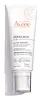
This barrier-repair moisturizer is formulated around Oenothera Biennis Oil and Aquaphilus Dolomiae Extract to strengthen the skin barrier.
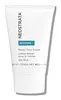
This smoothing moisturizer is formulated around Gluconolactone and Lactobionic Acid to refine skin texture and soften the look of wrinkles.


What's inside
What's inside
 Key Ingredients
Benefits
Concerns
Ingredients Side-by-side
Water
Skin ConditioningParaffinum Liquidum
Emollient


Glycerin
Humectant


Caprylic/Capric Triglyceride
Masking
PEG-12
HumectantOenothera Biennis Oil
Emollient





Glyceryl Stearate
Emollient
PEG-100 Stearate
Surfactant
Polyacrylate-13
Aquaphilus Dolomiae Extract
Skin Conditioning
Arginine
Masking
Citric Acid
Buffering

Evening Primrose Oil/Palm Oil Aminopropanediol Esters
Skin Conditioning
Glycine
Buffering
Polyisobutene
Polysorbate 20
Emulsifying
Sodium Acetate
BufferingSorbitan Isostearate
Emulsifying
Tocopherol
Antioxidant



Water, Paraffinum Liquidum, Glycerin, Caprylic/Capric Triglyceride, PEG-12, Oenothera Biennis Oil, Glyceryl Stearate, PEG-100 Stearate, Polyacrylate-13, Aquaphilus Dolomiae Extract, Arginine, Citric Acid, Evening Primrose Oil/Palm Oil Aminopropanediol Esters, Glycine, Polyisobutene, Polysorbate 20, Sodium Acetate, Sorbitan Isostearate, Tocopherol
Water
Skin ConditioningGluconolactone
Chelating




Cyclopentasiloxane
Emollient
Lactobionic Acid
Buffering
Propylene Glycol
Humectant
Ethylhexyl Hydroxystearate
Emollient
Cyclohexasiloxane
Emollient
Triethanolamine
BufferingLimnanthes Alba Seed Oil
Skin Conditioning
Glycerin
Humectant
Arginine
Masking
C12-15 Alkyl Ethylhexanoate
EmollientGlycol Distearate
Emollient
Octyldodecyl Myristate
EmollientStearyl Alcohol
Emollient
PEG-100 Stearate
Surfactant
Glyceryl Stearate
Emollient
Ethoxydiglycol
HumectantHydrogenated Vegetable Oil
Emollient
Petrolatum
Emollient
Dimethicone
Emollient
Algae Extract
Emollient
Hydrogenated Lecithin
Emulsifying
Phosphatidylcholine
EmulsifyingSodium Hyaluronate
Humectant
Palmitic Acid
Emollient
Stearic Acid
Cleansing
Myristic Acid
Cleansing
Steareth-2
EmulsifyingCaprylic/Capric/Myristic/Stearic Triglyceride
EmollientHydroxyethylcellulose
Emulsion StabilisingXanthan Gum
EmulsifyingPolyacrylamide
C13-14 Isoparaffin
Emollient
Laureth-7
EmulsifyingCaprylyl Glycol
Emollient
Disodium EDTA
ChelatingSodium Sulfite
Preservative
Sodium Bisulfite
Antioxidant
Phenoxyethanol
Preservative
Chlorphenesin
Antimicrobial
CI 19140
Cosmetic ColorantCI 17200
Cosmetic ColorantWater, Gluconolactone, Cyclopentasiloxane, Lactobionic Acid, Propylene Glycol, Ethylhexyl Hydroxystearate, Cyclohexasiloxane, Triethanolamine, Limnanthes Alba Seed Oil, Glycerin, Arginine, C12-15 Alkyl Ethylhexanoate, Glycol Distearate, Octyldodecyl Myristate, Stearyl Alcohol, PEG-100 Stearate, Glyceryl Stearate, Ethoxydiglycol, Hydrogenated Vegetable Oil, Petrolatum, Dimethicone, Algae Extract, Hydrogenated Lecithin, Phosphatidylcholine, Sodium Hyaluronate, Palmitic Acid, Stearic Acid, Myristic Acid, Steareth-2, Caprylic/Capric/Myristic/Stearic Triglyceride, Hydroxyethylcellulose, Xanthan Gum, Polyacrylamide, C13-14 Isoparaffin, Laureth-7, Caprylyl Glycol, Disodium EDTA, Sodium Sulfite, Sodium Bisulfite, Phenoxyethanol, Chlorphenesin, CI 19140, CI 17200
Reviews
Ingredients Explained
These ingredients are found in both products.
Ingredients higher up in an ingredient list are typically present in a larger amount.
Arginine is a semi-essential amino acid. This just means our bodies can product a bit on its own, but sometimes needs a little boost from food sources.
It is a part of your skin's natural moisturizing factor (NMF), or the water-loving molecules in your outermost layer of skin (stratum corneum) that keeps everything hydrated and happy.
Here's an interesting thing about Arginine: your skin converts it into urea through the Krebs-Henseleit urea cycle. Urea is one of the most effective humectants your skin naturally produces.
A clinical study showed applying 2.5% arginine hydrochloride to atopic dermatitis skin showed significant urea levels in the stratum corneum and improved moisture in just four weeks.
Arginine is also a precursor to nitric oxide; nitric oxide improves microcirculation and supports wound healing and collagen synthesis.
One study found that an amino acid complex containing Arginine reduced skin irritation, improved hydration, and accelerated skin repair in clinical / in-vivo studies.
Arginine itself is an amino acid and not a fatty acid, oil, or ester. On its own, it's not a direct food source for Malassezia, or the yeast that causes fungal acne.
Learn more about ArginineGlycerin (or glycerol) is a compound naturally found in your skin. It's a powerhouse humectant that pulls water into the stratum corneum.
Topically, glycerin does several things at once:
Your skin makes glycerin on its own (mostly from sebaceous oil breakdown) and shuttles it to your outermost layer of skin, or your epidermis, via aquaporin-3.
Aquaporin-3 is a transporter that is essential for normal skin hydration, elasticity, and repair. Interestingly, mice lacking in AQP3 have dry and less elastic skin that can be fully corrected with glycerin.
This ingredient is non-irritating, plays well with almost every ingredient, and works across all skin types. Typical use is anywhere between 3-10% but can go up to 79% in some leave-on products.
Just know very high concentrations (>40%) can feel tacky in low humidity.
Glycerin is the name for this ingredient in American English. British English uses Glycerol/Glycerine.
Learn more about GlycerinGlyceryl Stearate is made by reacting glycerin with stearic acid (typically sourced from plant oils like palm or coconut). It's an emulsifier, emollient, and mild occlusive.
Emulsifiers help ingredients like oil and water stay mixed so your formula stays nicely blended and uniform in texture.
This ingredient is typically used in concentrations between 1-10%. Studies have found it to be non-sensitizing, non-phototoxic, and non-photoallergenic.
A close cousin of this ingredient is Glyceryl Stearate SE ("self-emulsifying"). This just has a small amount of sodium or potassium stearate added so it can emulsify without a co-emulsifier.
Since this ingredient is an ester of a C18 fatty acid, it may not be fungal acne safe. The Malassezia yeast can potentially metabolize within the C11-C24 range.
Fun fact: The human body also creates Glyceryl Stearate naturally.
Learn more about Glyceryl StearatePeg-100 Stearate is an emollient and emulsifier. As an emollient, it helps keep skin soft by trapping moisture in. On the other hand, emulsifiers help prevent oil and water from separating in a product.
PEGS are a hydrophilic polyether compound . There are 100 ethylene oxide monomers in Peg-100 Stearate. Peg-100 Stearate is polyethylene glycol ester of stearic acid.
Water. It's the most common cosmetic ingredient of all. You'll usually see it at the top of ingredient lists, meaning that it makes up the largest part of the product.
So why is it so popular? Water most often acts as a solvent - this means that it helps dissolve other ingredients into the formulation.
You'll also recognize water as that liquid we all need to stay alive. If you see this, drink a glass of water. Remember to stay hydrated!
Learn more about Water

