
What's inside
What's inside
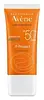 Key Ingredients
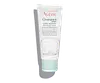
Benefits
Concerns
Ingredients Side-by-side
Water
Skin ConditioningC12-15 Alkyl Benzoate
AntimicrobialDicaprylyl Carbonate
EmollientMethylene Bis-Benzotriazolyl Tetramethylbutylphenol
UV Filter
Silica
Abrasive


Bis-Ethylhexyloxyphenol Methoxyphenyl Triazine
Skin Conditioning
Diethylhexyl Butamido Triazone
UV Absorber
Aluminum Starch Octenylsuccinate
Absorbent
Diisopropyl Adipate
EmollientButyl Methoxydibenzoylmethane
UV Absorber
CI 77891
Cosmetic ColorantDecyl Glucoside
Cleansing
Glyceryl Stearate
Emollient
PEG-100 Stearate
Potassium Cetyl Phosphate
EmulsifyingVp/Eicosene Copolymer
Acrylates/Ammonium Methacrylate Copolymer
Acrylates/C10-30 Alkyl Acrylate Crosspolymer
Emulsion StabilisingAlumina
Abrasive
Benzoic Acid
Masking

Butylene Glycol
Humectant

Caprylic/Capric Triglyceride
Masking
Caprylyl Glycol
Emollient
Disodium EDTA
Parfum
Masking


Glyceryl Behenate
Emollient
Glyceryl Dibehenate
Emollient
CI 77492
Cosmetic ColorantIsopropyl Myristate
Emollient

Oxothiazolidine
Skin ProtectingPropylene Glycol
Humectant
Sodium Benzoate
Masking
Sodium Hydroxide
BufferingStearyl Alcohol
Emollient
Tocopherol
Antioxidant





Tocopheryl Glucoside
EmollientTribehenin
Emollient
Triethyl Citrate
Masking
Xanthan Gum
EmulsifyingWater, C12-15 Alkyl Benzoate, Dicaprylyl Carbonate, Methylene Bis-Benzotriazolyl Tetramethylbutylphenol, Silica, Bis-Ethylhexyloxyphenol Methoxyphenyl Triazine, Diethylhexyl Butamido Triazone, Aluminum Starch Octenylsuccinate, Diisopropyl Adipate, Butyl Methoxydibenzoylmethane, CI 77891, Decyl Glucoside, Glyceryl Stearate, PEG-100 Stearate, Potassium Cetyl Phosphate, Vp/Eicosene Copolymer, Acrylates/Ammonium Methacrylate Copolymer, Acrylates/C10-30 Alkyl Acrylate Crosspolymer, Alumina, Benzoic Acid, Butylene Glycol, Caprylic/Capric Triglyceride, Caprylyl Glycol, Disodium EDTA, Parfum, Glyceryl Behenate, Glyceryl Dibehenate, CI 77492, Isopropyl Myristate, Oxothiazolidine, Propylene Glycol, Sodium Benzoate, Sodium Hydroxide, Stearyl Alcohol, Tocopherol, Tocopheryl Glucoside, Tribehenin, Triethyl Citrate, Xanthan Gum
Water
Skin ConditioningCarthamus Tinctorius Seed Oil
Masking
Caprylic/Capric Triglyceride
Masking
Dimethicone
Emollient

PEG-12
HumectantButylene Glycol
Humectant
Glycerin
Humectant
1,2-Hexanediol
Skin Conditioning
Glyceryl Stearate
Emollient
PEG-100 Stearate
Cetyl Alcohol
Emollient
Glyceryl Linoleate
Emollient
Acrylates/C10-30 Alkyl Acrylate Crosspolymer
Emulsion StabilisingBenzoic Acid
Masking
Parfum
Masking
Glyceryl Linolenate
Emollient
Glyceryl Oleate
Emollient
Glyceryl Palmitate
EmollientGlycine Soja Oil
Emollient
Sodium Dextran Sulfate
Gel Forming
Sodium Hydroxide
BufferingTocopherol
Antioxidant
Tocopheryl Acetate
Antioxidant
Xanthan Gum
EmulsifyingWater, Carthamus Tinctorius Seed Oil, Caprylic/Capric Triglyceride, Dimethicone, PEG-12, Butylene Glycol, Glycerin, 1,2-Hexanediol, Glyceryl Stearate, PEG-100 Stearate, Cetyl Alcohol, Glyceryl Linoleate, Acrylates/C10-30 Alkyl Acrylate Crosspolymer, Benzoic Acid, Parfum, Glyceryl Linolenate, Glyceryl Oleate, Glyceryl Palmitate, Glycine Soja Oil, Sodium Dextran Sulfate, Sodium Hydroxide, Tocopherol, Tocopheryl Acetate, Xanthan Gum
Reviews
Ingredients Explained
These ingredients are found in both products.
Ingredients higher up in an ingredient list are typically present in a larger amount.
Acrylates/C10-30 Alkyl Acrylate Crosspolymer is a synthetic polymer. It is used to thicken, emulsify, and improve the texture of products.
As an emulsifier, it helps stabilize oil-in-water emulsions to give products an elegant feel when applied.
It can also form a thin protective film on skin. One study found that a formula using this polymer helped slow down how quickly other ingredients (like DEET) were absorbed through skin.
A 2024 study of over 1,300 patients confirmed that sensitization to this ingredient is rare. It is also non-mutagenic and has a clean track record.
Learn more about Acrylates/C10-30 Alkyl Acrylate CrosspolymerBenzoic Acid is used to preserve and adjust the pH of products.
The antimicrobial property of Benzoic Acid helps elongate a product's shelf life. Its main role is to reduce fungi growth and is not found to be effective at fighting bacteria. Therefore Benzoic Acid is always added along with other preservatives.
In its pure form, Benzoic Acid looks like a white crystalline solid. It has slight solubility in water.
The name of Benzoic Acid comes from gum benzoin, which used to be the sole source of deriving this ingredient. Benzoic Acid is the most simple aromatic carboxylic acid.
Benzoic Acid is naturally occuring in strawberries, mustard, cinnamon, and cloves. It has a slight scent but is not considered to be a fragrance.
Learn more about Benzoic AcidButylene Glycol (or BG) is used within cosmetic products for a few different reasons:
Overall, Butylene Glycol is a safe and well-rounded ingredient that works well with other ingredients.
Though this ingredient works well with most skin types, some people with sensitive skin may experience a reaction such as allergic rashes, closed comedones, or itchiness.
Learn more about Butylene GlycolThis ingredient is a lightweight emollient, solvent, and texture enhancer. It is considered a skin-softener by helping the skin prevent moisture loss.
It helps thicken a product's formula and makes it easier to spread by dissolving clumping compounds.
Caprylic Triglyceride is made by combining glycerin with coconut oil, forming a clear liquid. Though it behaves like an oil, it is not technically one due to its chemical composition. It is very stable, resistant to oxidation, and unlikely to go rancid. In practice, that translates to a long shelf life and a consistently elegant skin feel.
While there is an assumption Caprylic Triglyceride can clog pores due to it being derived from coconut oil, there is no research supporting this. Be sure to patch test if you have concerns.
Fractionated coconut oil and MCT Oil are both listed as Caprylic/Capric Triglyceride according to INCI. This is because INCI names are based on the ingredient’s final chemical composition and not its marketing name or source.
Learn more about Caprylic/Capric TriglycerideGlyceryl Stearate is made by reacting glycerin with stearic acid (typically sourced from plant oils like palm or coconut). It's an emulsifier, emollient, and mild occlusive.
Emulsifiers help ingredients like oil and water stay mixed so your formula stays nicely blended and uniform in texture.
This ingredient is typically used in concentrations between 1-10%. Studies have found it to be non-sensitizing, non-phototoxic, and non-photoallergenic.
A close cousin of this ingredient is Glyceryl Stearate SE ("self-emulsifying"). This just has a small amount of sodium or potassium stearate added so it can emulsify without a co-emulsifier.
Since this ingredient is an ester of a C18 fatty acid, it may not be fungal acne safe. The Malassezia yeast can potentially metabolize within the C11-C24 range.
Fun fact: The human body also creates Glyceryl Stearate naturally.
Learn more about Glyceryl StearateParfum is a catch-all term for an ingredient or more that is used to give a scent to products.
Also called "fragrance", this ingredient can be a blend of hundreds of chemicals or plant oils. This means every product with "fragrance" or "parfum" in the ingredients list is a different mixture.
For instance, Habanolide is a proprietary trade name for a specific aroma chemical. When used as a fragrance ingredient in cosmetics, most aroma chemicals fall under the broad labeling category of “FRAGRANCE” or “PARFUM” according to EU and US regulations.
The term 'parfum' or 'fragrance' is not regulated in many countries. In many cases, it is up to the brand to define this term.
For instance, many brands choose to label themselves as "fragrance-free" because they are not using synthetic fragrances. However, their products may still contain ingredients such as essential oils that are considered a fragrance by INCI standards.
One example is Calendula flower extract. Calendula is an essential oil that still imparts a scent or 'fragrance'.
Depending on the blend, the ingredients in the mixture can cause allergies and sensitivities on the skin. Some ingredients that are known EU allergens include linalool and citronellol.
Parfum can also be used to mask or cover an unpleasant scent.
The bottom line is: not all fragrances/parfum/ingredients are created equally. If you are worried about fragrances, we recommend taking a closer look at an ingredient. And of course, we always recommend speaking with a professional.
Learn more about ParfumPeg-100 Stearate is an emollient and emulsifier. As an emollient, it helps keep skin soft by trapping moisture in. On the other hand, emulsifiers help prevent oil and water from separating in a product.
PEGS are a hydrophilic polyether compound . There are 100 ethylene oxide monomers in Peg-100 Stearate. Peg-100 Stearate is polyethylene glycol ester of stearic acid.
Sodium Hydroxide is also known as lye or caustic soda. It is used to adjust the pH of products; many ingredients require a specific pH to be effective.
In small amounts, sodium hydroxide is considered safe to use. However, large amounts may cause chemical burns due to its high alkaline.
Your skin has a natural pH and acid mantle. This acid mantle helps prevent harmful bacteria from breaking through. The acid mantle also helps keep your skin hydrated.
"Alkaline" refers to a high pH level. A low pH level would be considered acidic.
Learn more about Sodium HydroxideTocopherol (also known as Vitamin E) is a common antioxidant used to help protect the skin from free-radicals and strengthen the skin barrier. It's also fat soluble - this means our skin is great at absorbing it.
Vitamin E also helps keep your natural skin lipids healthy. Your lipid skin barrier naturally consists of lipids, ceramides, and fatty acids. Vitamin E offers extra protection for your skin’s lipid barrier, keeping your skin healthy and nourished.
Another benefit is a bit of UV protection. Vitamin E helps reduce the damage caused by UVB rays. (It should not replace your sunscreen). Combining it with Vitamin C can decrease sunburned cells and hyperpigmentation after UV exposure.
You might have noticed Vitamin E + C often paired together. This is because it is great at stabilizing Vitamin C. Using the two together helps increase the effectiveness of both ingredients.
There are often claims that Vitamin E can reduce/prevent scarring, but these claims haven't been confirmed by scientific research.
Learn more about TocopherolWater. It's the most common cosmetic ingredient of all. You'll usually see it at the top of ingredient lists, meaning that it makes up the largest part of the product.
So why is it so popular? Water most often acts as a solvent - this means that it helps dissolve other ingredients into the formulation.
You'll also recognize water as that liquid we all need to stay alive. If you see this, drink a glass of water. Remember to stay hydrated!
Learn more about WaterXanthan gum is used as a stabilizer and thickener within cosmetic products. It helps give products a sticky, thick feeling - preventing them from being too runny.
On the technical side of things, xanthan gum is a polysaccharide - a combination consisting of multiple sugar molecules bonded together.
Xanthan gum is a pretty common and great ingredient. It is a natural, non-toxic, non-irritating ingredient that is also commonly used in food products.
Learn more about Xanthan Gum
