

What's inside
What's inside
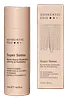 Key Ingredients
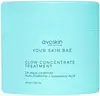
Benefits
Ingredients Side-by-side
Water
Skin ConditioningSqualane
Emollient


Propanediol
Solvent
Glyceryl Glucoside
Humectant
Niacinamide
Smoothing









Betaine
Humectant
Ammonium Polyacryloyldimethyl Taurate
Emulsion StabilisingMaltodextrin
Absorbent
Inulin
Skin Conditioning
Swertia Chirata Extract
HumectantArtemisia Annua Extract
MaskingBenzylsulfonyl D-Seryl Homophenylalanine Amidinobenzamide Acetate
Skin ConditioningTrehalose
Humectant
Lactobacillus Ferment
Skin Conditioning
Tremella Fuciformis Sporocarp Extract
Antioxidant
Acetyl Heptapeptide-4
Humectant
Alpha-Glucan Oligosaccharide
Cleansing
Xylitylglucoside
Humectant
Anhydroxylitol
Humectant
Xylitol
Humectant
Bifida Ferment Lysate
Skin Conditioning
Polyglutamic Acid
Skin Conditioning
Panthenol
Skin Conditioning
Caprylhydroxamic Acid
1,2-Hexanediol
Skin Conditioning
Caprylyl Glycol
Emollient
Tocopheryl Acetate
Antioxidant
Water, Squalane, Propanediol, Glyceryl Glucoside, Niacinamide, Betaine, Ammonium Polyacryloyldimethyl Taurate, Maltodextrin, Inulin, Swertia Chirata Extract, Artemisia Annua Extract, Benzylsulfonyl D-Seryl Homophenylalanine Amidinobenzamide Acetate, Trehalose, Lactobacillus Ferment, Tremella Fuciformis Sporocarp Extract, Acetyl Heptapeptide-4, Alpha-Glucan Oligosaccharide, Xylitylglucoside, Anhydroxylitol, Xylitol, Bifida Ferment Lysate, Polyglutamic Acid, Panthenol, Caprylhydroxamic Acid, 1,2-Hexanediol, Caprylyl Glycol, Tocopheryl Acetate
Water
Skin ConditioningGlycerin
Humectant
Propanediol
Solvent
1,2-Hexanediol
Skin Conditioning
Pentylene Glycol
Skin Conditioning
Dicaprylyl Carbonate
EmollientButylene Glycol
Humectant
Glyceryl Acrylate/Acrylic Acid Copolymer
HumectantLeuconostoc/Radish Root Ferment Filtrate
Antimicrobial
Lactobacillus/Soybean Ferment Extract
Skin ConditioningLactobacillus Ferment
Skin Conditioning
Lactobacillus/Acerola Cherry Ferment
Skin ProtectingLactococcus Ferment
Skin ConditioningBifida Ferment Filtrate
Skin Conditioning
Lactococcus Ferment Lysate
Skin Conditioning
Lactobacillus/Punica Granatum Fruit Ferment Extract
Antioxidant
Lactobacillus Ferment Lysate
Skin Conditioning
Hydroxyethyl Acrylate/Sodium Acryloyldimethyl Taurate Copolymer
Emulsion StabilisingAcrylates/C10-30 Alkyl Acrylate Crosspolymer
Emulsion StabilisingCaprylic/Capric Triglyceride
Masking
Tromethamine
BufferingGlucose
Humectant
Chlorella Vulgaris Extract
Skin ConditioningSodium Polyglutamate
HumectantSodium Hyaluronate
Humectant
Fructose
Humectant
Hydrogenated Lecithin
Emulsifying
Fructooligosaccharides
Humectant
Ethylhexylglycerin
Skin ConditioningCeramide NP
Skin Conditioning
Sodium Phytate
Hyaluronic Acid
Humectant
Hydrolyzed Hyaluronic Acid
Humectant
Tocopherol
Antioxidant
Phenoxyethanol
Preservative
Water, Glycerin, Propanediol, 1,2-Hexanediol, Pentylene Glycol, Dicaprylyl Carbonate, Butylene Glycol, Glyceryl Acrylate/Acrylic Acid Copolymer, Leuconostoc/Radish Root Ferment Filtrate, Lactobacillus/Soybean Ferment Extract, Lactobacillus Ferment, Lactobacillus/Acerola Cherry Ferment, Lactococcus Ferment, Bifida Ferment Filtrate, Lactococcus Ferment Lysate, Lactobacillus/Punica Granatum Fruit Ferment Extract, Lactobacillus Ferment Lysate, Hydroxyethyl Acrylate/Sodium Acryloyldimethyl Taurate Copolymer, Acrylates/C10-30 Alkyl Acrylate Crosspolymer, Caprylic/Capric Triglyceride, Tromethamine, Glucose, Chlorella Vulgaris Extract, Sodium Polyglutamate, Sodium Hyaluronate, Fructose, Hydrogenated Lecithin, Fructooligosaccharides, Ethylhexylglycerin, Ceramide NP, Sodium Phytate, Hyaluronic Acid, Hydrolyzed Hyaluronic Acid, Tocopherol, Phenoxyethanol
Reviews
Ingredients Explained
These ingredients are found in both products.
Ingredients higher up in an ingredient list are typically present in a larger amount.
1,2-Hexanediol is a synthetic liquid and another multi-functional powerhouse.
It is a:
- Humectant, drawing moisture into the skin
- Emollient, helping to soften skin
- Solvent, dispersing and stabilizing formulas
- Preservative booster, enhancing the antimicrobial activity of other preservatives
This ingredient is made when the Lactobacillus bacteria (the same kind that makes yogurt and kimchi) are allowed to ferment a nutrient medium.
As it ferments, it collects lactic acid, peptides, enzymes, and other bioactive metabolites to provide:
A 2023 review noted that probiotic fermentation ingredients like this one can enhance antioxidant capacity, reduce UV-induced oxidative damage, and support barrier function.
One clinical study from the same year showed a Lactobacillus ferment lysate significantly reduced transepidermal water loss and improved skin hydration.
Another review highlighted that topical Lactobacillus-based preparations can improve ceramide levels in the stratum corneum, support barrier integrity, and even help reduce S. aureus colonization in atopic dermatitis.
Why is this so cool?
Basically, your skin's outer layer works as a brick wall; skin cells are bricks and ceramides are the mortar holding it together. Moisture escapes, irritants get in, and your skin gets dry and reactive when ceramide levels drop. On top of that, "bad" skin bacteria S. aureus loves to move in when your barrier is weak to make inflammation and irritation worse.
So Lactobacillus ferment is basically patching the wall and evicting the troublemaker when it boosts ceramide production and help keep S. aureus in check.
On top of all this, it also acts as a mild antimicrobial preservative booster.
Just so you know, most studies focus on specific strains or the lysate form rather than this generic "Lactobacillus Ferment", so results can vary.
Though it's a promising ingredient, it doesn't have decades of robust clinical data behind it just yet.
Lactobacillus Ferment is generally considered safe for fungal-acne prone skin. The key thing to understand is that it comes from bacteria, not yeast or fungus.
Yeast-derived ferments (like galactomyces) have been shown to activate a protein that's linked to Malassezia-related skin issues whereas lactobacillus doesn't have that problem.
Its byproducts also don't contain the types of fatty acids (C11-24 chain lengths) that Malassezia feeds on.
Learn more about Lactobacillus FermentPropanediol is an all-star ingredient. It softens, hydrates, and smooths the skin.
It’s often used to:
Propanediol is not likely to cause sensitivity and considered safe to use. It is derived from corn or petroleum with a clear color and no scent.
Learn more about PropanediolWater. It's the most common cosmetic ingredient of all. You'll usually see it at the top of ingredient lists, meaning that it makes up the largest part of the product.
So why is it so popular? Water most often acts as a solvent - this means that it helps dissolve other ingredients into the formulation.
You'll also recognize water as that liquid we all need to stay alive. If you see this, drink a glass of water. Remember to stay hydrated!
Learn more about Water
